TEXTBOOK AHW 2WRITTEN BY RAHIM HAMID

Iran’s Ministry of Education has distributed a new, deeply racist textbook for children in the Arab Ahwaz region depicting Arabs as savage, uncivilised idiots.

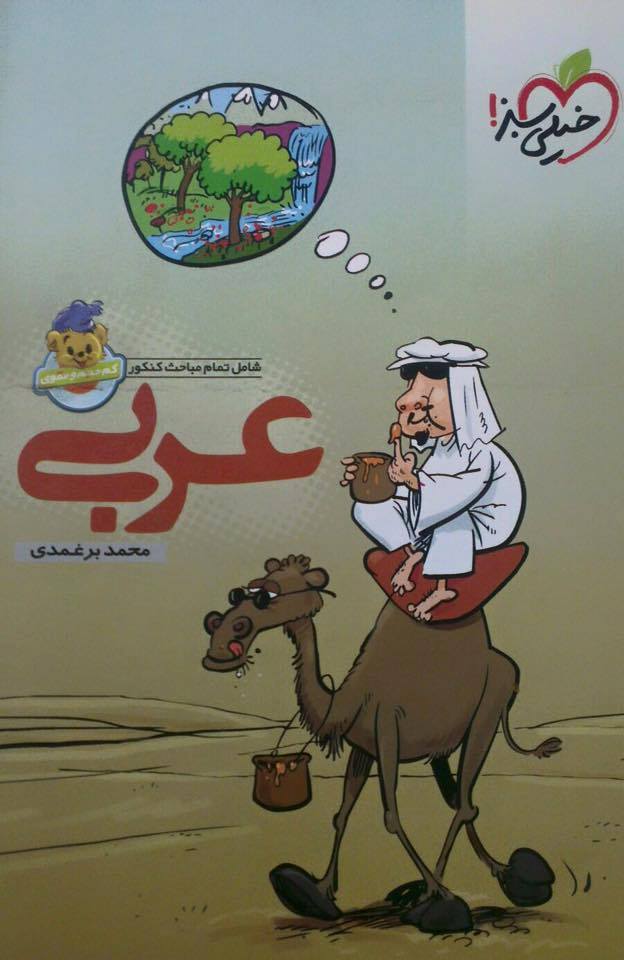
According to credible sources in Ahwaz, the latest textbook (cover shown at left) depicts various derogatory images of Arabs, with the cover showing an image of an Arab man on camel, wearing traditional dress in the desert, certainly intended as a racist caricature.

Such crude anti-Arab bigotry and offensive stereotypes are standard in Iranian media and culture. All such depictions, as well as anti-Arab video games, poetry and other cultural artefacts, are closely monitored and approved by the theocratic regime, which actively encourages anti-Arab racism.

The two pictures show how an Arab man wearing traditional clothes inappropriately, suggesting that Arabs are stupid and uncivilised, like the stereotype carried in the popular Persian whenever Arabs are shown.

Another textbook shows an Arabic man, again riding a camel in a desert with a dirty face, piglike nose and bare feet, eating something with his finger and only dreaming of arriving at a lush garden and a beautiful waterfall.

Ahwazi activists have condemned this latest expression of anti-Arab sentiment, particularly in the guise of an educational book for Arab children, adding that this is part of a systemic supremacist culture of hatred towards Arabs and all things related to Arab identity rooted in resentment amongst many Iranians dating back to the fall of the Persian Empire at the hands of Muslims and Arabs.

This resentment has been actively promoted and encouraged by successive Iranian rulers, up to and including the current regime, as a way of justifying their own brutal persecution of Ahwazi and other Arab peoples.

TEXTBOOK AHW 1The Ahwazi activists warned against the perpetuation of such racist policies against both Ahwazi Arabs and other non-Persian minorities in Iran, adding that it could lead to a backlash against not only the regime itself but against Persian peoples generally.

This latest incident of regime-sanctioned racism follows recent widespread regional anger over Iranian state TV broadcasts of racist slurs against the Turkmen people of Southern Azerbaijan, which led to large demonstrations in Azerbaijan and elsewhere.

The racism against Ahwazis runs rampant; we can feel that the anti-Arab sentiments tainted by a deep-rooted fascism are not confined to ordinary Persian citizens, but include a considerable portion of the Persian elite that is directly fueled by state politics.

These racist textbooks are seemingly encouraged by the nonexistence of a law that penalizes such pernicious acts in a country. Akbar Abdi, a well-known comedian, has lately engaged in more of this racist chauvinism during a live program on state television. He mentioned a trip with his family to Mecca in which he reacted to an Arab man who requested to get his son engaged to his daughter by saying: If I equaled my daughter with Gold, I would not equal Arabs, you or your son with Persian rubbish.” He described the Arab man with ugly and dirty epithets.  This was not the first time and will not be the last, when the state-sanctioned stream of bigotry against Arabs and Ahwazis is broadcast nationwide. Television programme and state-owned newspapers for years have been offending and attacking Arabs as Ahwazis are bearing the brunt.

What actually motivates racism among Persians against Arabs in general and Ahwazi Arabs in particular along with Kurds, Turks and Baluchis is the misplaced belief instilled into Persians minds that they come from the special superior Aryan race while the rest of other ethnic groups have some inferior racial traits that result in that group being detestable.

Il sangue di Parigi è sulle mani di Assad

Posted: 11/20/2015 by editormary in Iran, Middle East, Politics, Syria, War
Tags: ,

putin-assad-ready-share-power1Il dittatore siriano non è il nemico di ISIS – è il suo abilitatore

SCRITTO DA ROBERT COLVILLE tradotto da Mary Rizzo

Gli attentati di Parigi sono nauseanti, scandalosi e sconvolgenti. E uno dei momenti più scandalosi è giunto quando il presidente siriano Bashar al-Assad ha deciso di attribuire la colpa degli atentati alla politica estera francese. Ciò che i parigini stanno affrontando, ha detto, è esattamente ciò che i siriani hanno affrontato negli ultimi cinque anni. Se solo la Francia lo avesse aiutato contro gli islamisti, invece di mantenere le distanze!

Ovviamente, la maggior parte della colpa per la tragedia di questa settimana è di ISIS e della sua dottrina di terrore e atrocità. Ma l’individuo più direttamente responsabile dell’ascesa di ISIS, e del suo consolidamento, è Bashar al-Assad.

Non solo perché, trascinando la Siria in una guerra civile, ha creato i presupposti per lo sviluppo di ISIS, ma anche perché ha fatto tutto quanto in suo potere per rafforzarlo. La verità è che Assad e ISIS non sono nemici: sono alleati.

Per capire cosa intendo, dobbiamo tornare al 2012/13, quando i ribelli – guidati dal Free Syrian Army – erano alle porte di Damasco. Al fine di salvare se stesso, Assad ha fatto due cose.

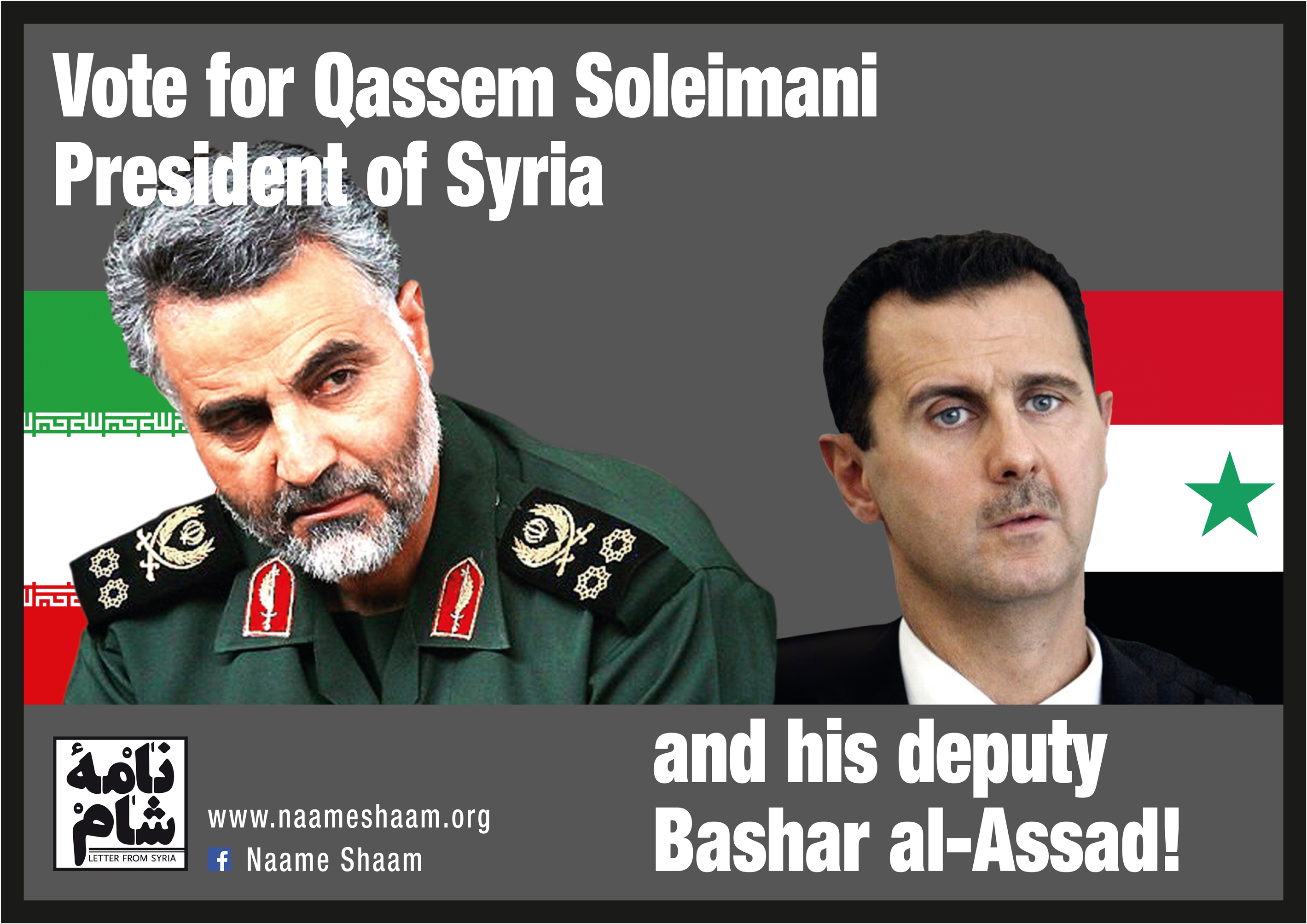
an Iranian opposition group understands the actual situation in this "election poster"

un gruppo iraniano d’opposizione ha capito che comanda in Siria

In primo luogo, ha accettato quello che era essenzialmente un cambio di gestione della campagna militare in chiave iraniana: come Dexter Filkins ha scritto sul New Yorker, Qassem Suleimani – il capo della di Teheran Quds Force – è volato a Damasco per assumere il controllo delle operazioni personalmente, inondando il conflitto con denaro iraniano, armi iraniane e combattenti provenienti sia da Teheran che dal suo alleato libanese Hezbollah.

Ma l’altro polo della strategia di Assad è stato più insidioso. Dall’inizio della guerra aveva etichettato i suoi nemici come terroristi islamici e nel corso degli anni ha fatto di tutto per far sì che questa etichetta diventasse una realtà.

Pericolosi jihadisti sono stati rilasciati da Sednaya, la mega-prigione del regime, e sostituiti in carcere da blogger e attivisti dei diritti umani. Bombe e fucili del regime sono stati rivolte ai moderati, mentre agli islamisti radicali (molti dei quali avevano dato prova di sè nella rivolta contro gli Stati Uniti in Iraq) è stata data carta bianca nel nord. A maggio hanno ricevuto persino supporto aereo da Assad, durante la loro avanzata su Aleppo [ndt: 31/05/2015 a Mare’a, nord di Aleppo, quando i ribelli subirono simultaneamente un offensiva di terra da parte di ISIS e attacchi aerei da parte di Assad].

Mideast Syria Alternatives to AssadQuesto, tuttavia, era solo l’inizio. ISIS ha catturato giacimenti petroliferi – ma non aveva mercato per il petrolio. Ecco che entra in scena il presidente Assad. Non solo ha comprato il petrolio dei militanti dell’ISIS, ma gli ha garantito accesso al cibo e persino riparazione per le loro torri di telefonia mobile. E i suoi amici in ISIS hanno restituito il favore, non marciando su Damasco, ma su Baghdad. Così inizia il panico nell’occidente e gli attacchi aerei – contro ISIS, non contro Assad.

Perché Assad lo ha fatto? Semplice: per convincere sia il suo popolo che le potenze straniere che lui è l’unica alternativa ai fanatici. La sua strategia è sempre stata, come David Blair (una delle più sagge voci britanniche in materia di politica estera) ha scritto sul Telegraph lo scorso anno, di agire prima come piromane, poi come vigile del fuoco.

Assad ora afferma di essere l’unico in grado di contenere ISIS. Ma la verità è che non ha fatto quasi nulla per contenerlo. Anche ora, i suoi alleati russi non bombardano ISIS, come dicono, ma i pochi moderati assediati che rimangono.

Il risultato è una macabra simbiosi. Assad bombarda, mutila e uccide, spingendo la gente nelle braccia degli estremisti. Poi può additare alla crescita dello Stato islamico e dire, come ha fatto riguardo Parigi: “Guarda questi fanatici barbari. Come posso io essere una minaccia più grande di loro?”

Ma, come quanto detto finora dimostra, Assad non è il minore dei due mali qui: dei due mali è il maggiore. Dal 2011, dice Emile Hokayem dell’International Institute for Strategic Studies, “il regime di Assad è stata la principale fonte di morte e distruzione in Siria”. Anche ora, non solo sta uccidendo più cittadini siriani dello Stato islamico, ma anche in quantità enormemente maggiori.

Quindi no, i morti di Parigi non sono il risultato della politica del governo francese. Sono il risultato di un’azione deliberata di Assad: prendere una piccola cellula tumorale chiamata ISIS e darle tutti i nutrienti di cui ha bisogno per crescere in qualcosa di vasto e maligno.

Dal 2011, infatti, tutto ciò che ha peggiorato questa guerra può essere fatto risalire al dittatore siriano e nulla di quello che ha fatto l’ha mai resa meno dura.

L’uso di armi chimiche e bombe a barile contro i suoi stessi cittadini? Pesa su Assad.

La morte di migliaia di persone e lo sfollamento di milioni? Pesano su Assad.

La distruzione di Palmyra (forse il posto più bello che abbia mai visto) e di gran parte del resto del patrimonio e della cultura della Siria? Anche questo pesa su Assad.

E le morti di Parigi e dell’aereo di linea russo e di Beirut? Di nuovo, Assad.

Sì, ISIS è la più grande minaccia immediata per l’Occidente. E sì, non ci sono praticamente buone opzioni per porre fine a questo orribile, brutale conflitto.

Ma ogni scenario in cui noi diventiamo gli alleati di Assad per combattere gli islamisti, qualsiasi scenario che lo lasci al potere piuttosto che in prigione, sarebbe disgustosamente immorale. Non solo perché incoraggerebbe i dittatori in tutto il mondo a seguire la stessa linea, ma anche perché rappresenterebbe una vittoria per la sua strategia diplomatica della barbarie calcolata.

I morti di Parigi meritano di più.

L’autore è l’ex editore dei commenti del Telegraph e delle notizie presso BuzzFeed UK.

ORIGINALE:  https://medium.com/@rcolvile/the-blood-of-paris-is-on-assad-s-hands-93f3b5a40cdc#.tevbhsqj4

show_imgReport to the National Conference for Freedom in Syria – 10-11 October, Bologna, Italy

Mary Rizzo

Since the beginning of the revolution, the civil society, in Syria and in the world, has expressed its solidarity or condemnation by means of declarations that were then signed by organisations and individuals, often prominent ones. These declarations are intended to be distributed with the purposed of informing the public about positions regarding principles but also on the policies that are desired but not yet in force. Most of these statements are concentrated in particular periods. Many of them were issued on anniversaries such as 21 August, the anniversary of the massacre of Ghouta. Others were issued after what is perceived as an emergency such as recent arrivals in Europe with the Balkan route.

These declarations fall into different genres and are used for various purposes: short-term and immediate policy declarations, statements of terms to enter a phase of transition and political solution, declarations of long-term policies and recommendations for entities like states, international bodies or political groups.

In statements that express reference to immediate policies, the most frequent requests are for the free passage of humanitarian aid without the authorisation of the regime, which blocks the arrival of aid in areas not under their control, forcing activists and charities to tackle many risks to bring these relief goods, medicines, clothes and products for infants in the first place, to areas where there is need, and denying them any type of protection. The protection of civilians is articulated in particular with requests for humanitarian corridors but especially with the request for the establishment of a No Fly Zone. The request for a No Fly Zone which started already in 2012 by civil society in Syria, initially was only for parts of Syria under the constant bombardment of the regime, but last year this request has been extended (particularly from groups belonging to the left) to all parts of Syria, which is now also under aerial bombardment by the Coalition and more recently, Russia. In one of the statements, by Rethink, Rebuild Society, the request is extended to the British government to support the coalition in the American bombing of ISIS and to extend it to Iraq after the population has been moved to safe places.

The other request of an immediate nature is often directed to foreign countries, and has to do with the policy of management of refugees and expansion of Operation Triton for rescue in the Mediterranean.

manifesto_for_syria_2_740Among the declarations of a more immediate nature is the Manifesto for Syria, written by Syria Solidarity Movement and inspired by the demands of Planet Syria and The Syria Campaign (which includes The White Helmets), grouping more than 150 different groups in Syria and in the diaspora. It is divided into two different proposals, supported by an international campaign of petitions with the titles, “A No Fly Zone for Syria” and “Syrian Refugees Welcome Here”.

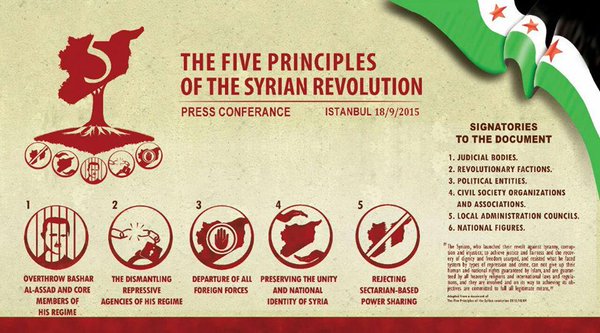
Among the statements that express a principled stand for the transition, those standing out are from Syria, in particular the document of the National Coalition for Revolutionary and Opposition Forces in April of 2013 and the Declaration of the Syrian Islamic Council issued a few days ago and called The Five Principles of the Revolution. Both documents (which in fact mirror every single declaration regarding the transition) pose as a principle priority the end of the Assad regime as a prerequisite for any political solution or international initiative. They also exclude the participation of close associates of Assad in the transitional phase and exclude them as part of the solution for Syria. However, the fight is not against the state but against the regime and therefore the structures and state institutions must be preserved and re-organised for the purpose of protecting the state and the people who worked for the State but who are not corrupt or guilty of crimes. The Coalition also includes in military and security personnel the people to protect.

CPMjOpPWoAAS3OVThe document of the Syrian Islamic Council, signed by 74 revolutionary formations and 52 high personalities indicates the other four principles: The dismantling of the security agencies affiliated with the regime; that all foreign forces must leave Syria; the preservation of the unity, territorial integrity and national identity; the refusal to share power based on sectarian criteria.

The Syrian Islamic Council, founded in 2013, consists of 128 delegates, 50 of which in the liberated areas, represents 40 leagues and religious committees that have grown especially in the Diaspora since 2011. It does not include the Islamic Front but consolidates a moderate Islamist axis inside the opposition. The Council has issued a fatwa against Isis in 2014 but also a Fatwa this June, which forbids enlistment in YPG or PKK, who are seen as sectarian forces.

The rejection of sectarianism is a dominant feature of all the statements, and is part of the “Core Values”, in particular the statements offering long-term policies insist that the core values should be integrated in any transition framework or constituent phase. The values ​​are those for which the revolution began in the first place: the desires of equality, rights, representation, freedom of expression, assembly, affiliation, religion, rights for minorities and women and just distribution of the wealth of the state.

A core value of all the statements is territorial integrity and rejection of divisions along ethnic or sectarian lines. The Syrians have always lived as one people and the division would cause great instability.

4dea0958f8d68b45113c0a797d9fa256A declaration of principles that is perhaps the most representative of the aspirations of the Syrian people is The Freedom Charter by the Foundation to Restore Equality and Education in Syria (FREE-Syria), a humanitarian organisation of civil society development founded by people involved with the LCC (Local Coordination Committees). The Freedom Charter, inspired by the South African Freedom Charter, a document of national unity, was based on tens of thousands of face-to-face interviews carried out by a team of more than one hundred activists coordinated by FREE-Syria and the LCC with Syrians in each governate of the country, asking what kind of society they desired to live in. The Charter however reflected the values ​​of the revolution, for a state based on equality, justice and freedom. Aspirations are included in a State based on the rule of law, in which leaders are elected by the people. An independent, sovereign state, within the current UN-recognised borders and that follows and obeys international conventions and treaties. That the assets of the country belong to all of Syria and the Syrian armed forces serve only to protect the borders of the nation and defend its sovereignty without interfering in political, economic or social issues. That courts are independent and not subject to the authority of other government agencies or the pressure of special interest groups. Education shall be free, compulsory and available to all.

Syria_Between_Dictatorship_and_ISISIt is followed by a section that lists the rights, the principles of equality and respect for all cultures and ethnic groups in Syria. The Freedom Charter represents the aspirations of the Syrians, but does not suggest how to achieve these results. Similar to it, but with more concrete proposals is the document called Policy Proposals for the UK, a lengthy document issued by Rethink Rebuild Society, signed by Syria Solidarity Movement, Scotland For Syria, Kurds House, Syrian Association of Yorkshire and Syrian Revolution Committee in Newcastle. It is based on the Core Values of almost all the documents cited so far, but also includes policy suggestions for the United Kingdom in order to help overcome the current situation and rebuild Syria’s future. In its twenty pages, beginning with a brief introduction to the situation and its history, it contains seven wide spectrum proposals and suggestions of policies and strategies for the government to use to implement the proposals.

The basis of the Rethink Rebuild document is for the protection of civilians both inside Syria and in exile. The first step is the establishment of a No Fly Zone over all of Syria followed by British intervention against ISIS extending also to Iraq.

It demands a unified and democratic Syria without Assad. Indeed, the second point mentions the strengthening of Syrian National Coalition (whose document I mentioned earlier) and the Free Syrian Army to facilitate a transition to a post-war Syria. It demands the British government to actively support the emergence of a unitary and democratic Syria which adheres to internationally-recognised human rights standards. As the transition period is expected to be long and very difficult, it asks the British government to support the principles and encourage the incorporation of these ideals in any transitional or constituent phase. The values ​​to be supported are the same as all the documents cited so far and in the Freedom Charter.

The third point asks a guideline for humanitarian aid, both for its collection and its distribution and with the insistence that Britain calls for full implementation of UN resolutions 2165 and 2191 authorising the distribution of humanitarian aid anywhere in Syria, across borders and without the consent or authorisation of the regime.

The last points are more specific to European relations with individual Syrians. Topics include support for refugees and rehabilitation and education of Foreign Fighters and people that have extremist views, but who have not committed crimes. The sixth point is the ability to maintain banking services to Syrian individuals and entities and the last point asks for appropriate treatment to be given to Syrians that are residents in the United Kingdom, equivalent to that of other residents.

373047_313146128710043_1498568290_nThere are two earlier declarations to be considered as important references, and they are the Declaration of Dignity issued in December of 2011 by the LCC and the Declaration signed in Geneva in May of 2012 by the Committee for the Defence of Human Rights in Syria, the World Campaign in Support of the Syrian People and the Syrian National Council. The first announces the values of the revolution, the rights of the people and the rejection of sectarianism and commitment to upholding human dignity. The second is based on defining the Syrian struggle along the lines of the Preamble of the UN Declaration of Human Rights adopted by the General Assembly in 1948. It is an appeal for a pacific transition in Syria, an immediate end of the violence and repression against civilians, release of political prisoners and reform of the mass media to allow free press. Its crucial point is that the UN Declaration supports the recourse to rebellion against tyranny and oppression and the protection of human rights by rule of law. It calls for a constitutional assembly to be appointed to draft a new constitution that limits the functions of the president, restoring Syria to the people and not allowing it to belong to a single individual, family or party. It requests the recognition of the revolution as legitimate, legal and worthy of support.

syria-istanbul-declaration_403x227The last document that I include in this overview is The Istanbul Declaration, signed this summer by many activists and members of civil society, including some prominent historical Syrian left. It begins with an introduction that identifies the suffering of the people. It declares that Assad oppresses the people strictly to stay in power to protect his interests. Then it talks about the determination of the people in its long and difficult resistance, even moral. It speaks of the institutions that civil society has created, such as the LCCs, but in particular, it cites with admiration the steadfastness of a people who despite everything continue to protest and to do everything possible to communicate their situation through an intense activity in social media.

The declaration continues with a description of all the enemies of the people, the atrocities committed by the reactionary forces and religious extremists and includes a denunciation of the occupation of Syria by foreign forces, naming in particular the massive presence of Iran in support of reactionary forces and the regime.

The statement is divided into seven points.

The first: support of resistance and denunciation of the complicity of the Left with the regime, calling their behaviour betrayal.

The second: rejection of the intervention by anyone who is hostile to the revolution.

The third: condemnation of fundamentalist forces.

The fourth: the belief that there is no political solution that presupposes the existence of the current regime.

The fifth: denunciation of the policies of Fortress Europe.

The sixth: the connection with any popular struggle and solidarity with all oppressed people and those without justice, particularly in the region, citing, Iraq, Bahrain, Egypt, Tunisia, Libya, Yemen, Palestine and any other country in the world oppressed by dictators and imperialists.

The seventh: support to the LCCs, the revolutionary councils and to humanitarian groups in addition to the independent brigades of the FSA fighting against the regime and against ISIS.

Any statements that we Italians and Syrians in Italy write and ask to be disseminated and supported should take into account the content of the existing statements. We can integrate many of their points, but also introduce points particularly relevant to our particular Italian circumstances. I hope that in the working groups we identify requests to our government, to Europe and to the general public, to come together in support of this glorious revolution.

hands offCi auguriamo che vi unirete a noi nel sostenere questo appello. Se è così, scriveteci il vostro nome così come vorreste che appaia nella versione pubblicata insieme a una frase breve (10 parole o anche meno) che vi identifichi (ad esempio professione, attivista, blogger, ecc), compreso il vostro Paese di residenza. Si prega di utilizzare questo indirizzo e-mail per contattarci: magpie68@outlook.com

“Giù le mani dalla Siria” vale anche per la Russia.
Come persone e gruppi provenienti da molti Paesi, uniti da un comune impegno per la pace, la giustizia ed i diritti umani, condanniamo l’offensiva militare russa in Siria (successiva escalation) iniziata il 30 settembre 2015.
Mentre il governo russo ha dichiarato che queste operazioni sono dirette contro lo Stato Islamico (ISIS), la maggior parte degli attacchi si sono verificati in aree con nessuna presenza dell’ISIS. L’obiettivo dell’offensiva militare russa sembrano essere le comunità civili e militari dell’opposizione nella parte a nord della regione di Homs, centro permanente di resistenza al regime di Assad.

Le vittime dell’aggressione russa il 30 settembre sono state prevalentemente civili, tra cui molti bambini. Le condizioni umanitarie erano già disperate nella zona prima che la Russia lanciasse la sua offensiva aerea, perché la zona era da tempo sotto assedio del regime per la sua resistenza.

Il regime di Assad ha provocato il caos in tutta la Siria. E’ responsabile di avere innescato la guerra civile con la sua politica di sparare contro i manifestanti che chiedevano democrazia. Il regime ha ucciso oltre un quarto di milione di siriani, ha costretto metà della popolazione ad abbandonare le loro case e ha creato milioni di profughi. Nel corso di questa operazione, ha perso il controllo di metà del Paese. Anche se la pace non potrà mai essere ripristinata dal regime che l’ha distrutto, sembrerebbe che la Russia ora utilizzi direttamente la sua potenza militare per puntellare ulteriormente un regime che, senza il sostegno straniero, sarebbe crollato anni fa. Questa operazione dalle forze russe può solo prolungare l’agonia del popolo siriano, aumentare il flusso di rifugiati e rafforzare forze estremiste come ISIS.

Le dichiarazioni russe circa la legalità dell’escalation militare non sono più veritiere di quelle usate dagli Stati Uniti per giustificare la sua guerra contro il Vietnam. Quando il governo che invita un Paese straniero a intervenire è illegittimo, lo è anche l’invito. Anche gli Stati Uniti hanno responsabilità per la catastrofe, come tutti gli attori regionali e internazionali che hanno ignorato le aspirazioni ed i sacrifici del popolo siriano in ogni loro tentativo di risolvere la crisi, sostituendoli con i propri bisogni strategici e ambizioni.

Noi condanniamo in modo inequivocabile sia le brutali azioni repressive del regime di Assad che l’intervento militare russo volto a prolungarne l’esistenza. Se la Russia vuole una transizione politica negoziata in Siria, deve fermare la sua assistenza alla brutalità e agli attacchi indiscriminati del regime siriano contro obiettivi civili e deve smettere di incoraggiare il rifiuto persistente del regime di Assad di impegnarsi in ogni serio processo di pace. Gli attacchi contro le popolazioni civili sono in violazione del diritto internazionale. Ci appelliamo alla comunità internazionale, ai governi nazionali e alle Nazioni Unite affinché assicurino il rispetto della Risoluzione del Consiglio di Sicurezza numero 2139, di cui la Russia è parte, che prevede che “Tutte le parti cessino immediatamente tutti gli attacchi contro i civili, così come l’impiego indiscriminato di armi in aree popolate.” Chiediamo a tutti coloro che si occupano di pace internazionale e di difesa dei diritti umani ad unirsi a noi nel condannare le azioni di ostentata arroganza della Russia con tutti i mezzi a vostra disposizione – lobbying dei vostri rappresentanti, manifestazioni pubbliche, petizioni pubbliche e le altre forme di protesta.

FIRMATO:

Mike Gapes, Labour and Co-operative Member of Parliament for Ilford South, UK

Rt. Hon Sir Gerald Kaufman, MP, UK

Thomas Pierret, (Lecturer, University of Edinburgh, UK)

Rupert Read (Reader in Philosophy, University of East Anglia; Chair of Green House Think Tank, UK)

Peter Tatchell (Director, Peter Tatchell Foundation)

Yassin al Haj Saleh (Syrian Writer Living in Exile, Istanbul)

Abdulaziz Almashi (Syria Solidarity Movement, UK)

Haytham Alhamwi (Managing Director, Rethink Rebuild Society, Manchester Syrian Community, UK)

The Syrian Community of the South West UK

Hussam Ayloush (National Chair, Syrian American Council)

Faisal Alazem, Director, Syrian Canadian Council

Abdulrazzak Tammo (Leadership Consultant, Kurdish Future Movement, Syria/UK)

Planet Syria (Organization, UK)

Laila Alodaat (Lawyer, UK)

Juan Cole (Professor of History, University of Michigan & Blogger, Informed Comment, USA)

Jean-Pierre Filiu (Professor, Sciences Po, Paris School of International Affairs)

Sune Haugbølle (Department of Society and Globalisation, Roskilde University, Denmark)

Nader Hashemi (Director, Center for Middle East Studies, University of Denver, USA)

Steven Heydemann (Professor of Middle East Studies, Smith College, USA)

Rana Issa (University of Oslo, Norway)

Mohja Kahf (Professor of Comparative Literature & Middle Eastern Studies, University of Arkansas & Member of the Syrian Nonviolence Movement)

Vinay Lal (Professor of History, University of California, Los Angeles, USA)

Ziad Majed (Assistant Professor of International and Comparative Politics, The American University of Paris, France)

Danny Postel (Center for Middle East Studies, University of Denver, USA)

Muhammad Idrees Ahmad (University of Stirling, Scotland)

Luke Cooper (Lecturer in Politics, Anglia Ruskin University, UK)

Juliette Harkin (Doctoral Student, University of East Anglia, UK)

Brian Slocock (Senior Lecturer in Political Science, University of Paisley, Retired, UK)

Mary Rizzo (Syria Solidarity Activist, Blogger at wewritewhatwelike.com, Italy)

Peter Clifford (Middle East Blogger, UK)

Saskia Sassen (Committee on Global Thought, Columbia University, USA)

Saleh, Syrian, network engineer, KSA

Qusai Zakarya (Syrian Activist)

Lilia Marsali,. blogger and activist, Member, Algerian Congress for Democratic Change,France

Bill Fletcher, Jr. (Writer/Activist, Former President, TransAfrica Forum)

Gail Daneker (Friends for a NonViolent World, Minnesota, USA)

Clay Claiborne (Linux Beach Productions, Venice, California, USA)

Terry Burke (Minnesota Committee in Solidarity with the People of Syria, USA)

Afra Jalabi (Syrian Writer & Vice-Chair, The Day After Association)

Andrei Codrescu (Poet, Professor Emeritus, Louisiana State University, USA)

Stephen R. Shalom (Editorial Board, New Politics, USA)

James Sadri (The Syria Campaign, UK)

Robin Yassin-Kassab (Writer, Scotland)

Leila Al Shami (Activist and Writer, Jordan)

Rafif Jouejati (Director of FREE-Syria, the Foundation to Restore Equality and Education in Syria & English-language spokeswoman for the Local Coordination Committees in Syria, USA)

Nicolas Hénin (Journalist, Author, ex-ISIS hostage)

Leila Vignal (Fellow, Refugee Studies Centre, Department of International Development, Oxford University, UK)

Paul Woodward (War in Context, USA)

Ella Wind (New York University and MENA Solidarity Network, New York)

Roxanne Abbas (Activist, Minnesota, USA)

Ian Keith (Public School Teacher, Minnesota, USA)

Andrew Berman (Veterans for Peace, USA)

Mujeeb R. Khan (Department of Political Science, University of California Berkeley)

Şener Aktürk (Department of International Relations, Koç University, Turkey)

Omar Qureshi (Teacher, New York)

Michael Karadjis (Teacher, Sydney, Australia)

Fazal Khan (Associate Professor, University of Georgia School of Law, USA)

Kareen El Beyrouty (Economist and Member, Syria Solidarity Movement, UK)

Mark Boothroyd (Syria Solidarity Movement, UK)

Graham Campbell (RISE Glasgow East and Glasgow TUC Unite/ Scottish Trades Union Congress Delegate, UK)

Clara Connolly (Immigration and Human Rights Lawyer, UK)

Soumya Datta (Assistant Professor, South Asian University, New Delhi, India)

Bronwen Griffiths (Activist, UK)

Adina Mutar (Journalist, Romania)

David L. Williams (Peregrine Forum of Wisconsin, USA)

Ed Potts (Socialist, UK)

Nina van Krimpen (Human Rights Activist, The Netherlands)

Alfonso Vázquez (Human Rights Activist, Spain)

Pete Klosterman (Retired Software Engineer, New York, USA)

Therese Rickman Bull (Human Rights Activist, USA)

David Turpin Jr. (Antiwar Committee in Solidarity with the Struggle for Self Determination, Northwest Indiana, USA)

Kelly Grotke (Fellow, Society for the Humanities, Cornell University, USA)

Stephen Hastings-King (Author, Ithaca, New York, USA)

Dr Ahmad Sadiddin, research fellow in development economics, Univ of Florence, Italy

Mazen Halabi (Activist, Minnesota, USA)

Barry Rubin (Independent Scientist, UK)

Subhi Hadidi (Writer, Syria/France)

Farouk Mardam Bey (Publisher, Paris, France)

Wael Khouli (Physician Executive, Member of Syrian American Medical Society, USA)

Mary Lynn Murphy (Grandmothers for Peace Delegate to the Minnesota Alliance of Peacemakers, USA)

Rihab Naheel (Committee in Solidarity with the People of Syria, Minnesota, USA)

Susan Ahmad (Syrian Human Rights Activist and Journalist, UK)

Adnan Almahameed (Syrian Citizen, Community Organizer, Canada)

Pierluigi Blasioli (Student, University of Pescara, Italy)

James Bloodworth (Journalist, Editor of Left Foot Forward, UK)

Samantha Falciatori (Humanitarian Volunteer and Solidarity Activist, Italy)

Terry Glavin (Author/Journalist/Columnist, Canada)

Nancy Lindisfarne (Anthropologist, Author, UK)

Grant Padgham (Solidarity Activist, UK)

Harry Shotton (Student and Campaigner, UK)

Kellie Strom (Artist and Children’s Author, UK)

Jonathan Neale (Writer, UK)

Bill Scheurer (Executive Director, On Earth Peace, New Windsor, Maryland, USA)

Kenan Rahmani (Syrian American Activist, Washington DC)

Harald Etzbach (Translator/Journalist, Germany)

Ken Hiebert (Activist, Ladysmtih, BC, Canada)

Andrew Pollack (MENA Solidarity Network-US, Brooklyn)

Richard Dawson (Concerned Citizen, Los Angeles, California)

Robin ‘Roblimo’ Miler (IT/Science Reporter and Editor, USA)

Louis Proyect (Writer, CounterPunch film co-editor, New York City)

John Wilborn (Veterans for Peace, Chapter 168, Louisville, Kentucky, USA)

Fouad Roueiha (Journalist and co-founder of Solidarity with Syrian People Committee, Rome, Italy)

Gerard Di Trolio (Editor, rankandfile.ca, Toronto, Ontario, Canada)

Thomas F Barton (Military Resistance Newsletter)

Ricardo Salabert (Political Activist, Portugal)

Manuel Barrera (Metropolitan State University, St. Paul, Minnesota, USA)

Jason Schulman (Editorial Board, New Politics, USA)

Edna Bonhomme (Doctoral Candidate, Princeton University, Brooklyn, New York, USA)

Associazione Rose di Damasco (Como, Italy)

Riccardo Bella (Activist for Syria and Palestine, Milano, Italy)

Veronica Bellintani (Student, Activist and Volunteer with Syrian Refugees, Italy)

Karama Napoli (Committee to Support the Arab People, Italy)

Fiore Haneen Sarti (Human Rights Activist, Italy)

Jane Kelly (Activist, UK)

Jamie Milne (Labour Friends of Ukraine, UK)

Lara Bartocci (Freethinker and Graphic Designer, Italy)

Enrico De Angelis (Media Analyst, Free Press Unlimited, Italy)

Comitato Permanente per la Rivoluzione Siriana, Italy

Luke Staunton (Syria Solidarity Movement, UK)

Joshka Wessels (Postdoctoral Researcher on Syria, Centre for Resolution of International Conflicts, University of Copenhagen, Denmark)

Carol Coren (Social Enterprise Entrepreneur, Oregon and Pennsylvania, USA)

Anthony Saidy (Author, Los Angeles, USA)

Ralph Apel (Engineer, Frankfurt am Main, Germany)

Linda Parsons (Supporter of the Syrian People’s Revolution, Salt Lake City, Utah, USA)

Ali Rahabi (Syrian Activist, Local Coordination Committees in Syria, Deir ez-Zor, Syria)

Zaher Sahloul (Physician, President of the Syrian American Medical Society, USA)

Mohamad Khouli (Activist, Minneapolis, Minnesota, USA)

Jennifer Kaiser (Researcher, Turkey)

Polly Kellogg (Retired Associate Professor, St. Cloud State University, Minnesota, USA)

Basel Watfa (Pharmacist & Translator, Syrian refugee camp, Kusel, Germany)

Luna Watfa (Freelance Journalist/Photographer, Syrian refugee camp, Kusel, Germany)

Seyla Benhabib (Professor of Political Science and Philosophy, Yale University, USA)

Annalisa Roveroni (CIVIC Cooperativa Sociale, Italy)

Enzio Zuffo (Istituto Sviluppo Olistico, Italy)

Fred Mecklenburg (News & Letters, Chicago, USA)

Ron Aminzade (Professor of Sociology, University of Minnesota, USA)

MJ Maynes (Department of History, University of Minnesota, USA)

Meredith Tax (Writer & Chair of the Centre for Secular Space, New York, USA)

Deidre A. Kellogg Ketroser (Human Rights Activist, Refugee Advocate/Advisor, Minneapolis, USA)
Originale in inglese: http://www.syriauk.org/p/hands-off-syria-applies-to-russia-tooas.html

ahwaz2Written by Rahim Hamid

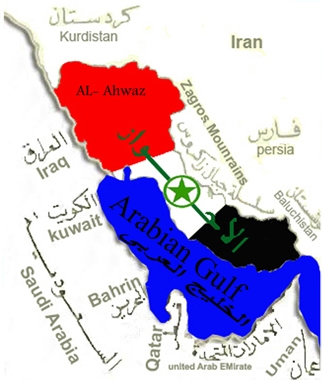
A call by a senior UAE official on Monday for formal recognition of Al-Ahwaz as an occupied Arab country has sparked a rapidly growing pan-Arab media campaign, with over 1,000 prominent Arab figures across the region so far announcing their support of ‘I recognise Al-Ahwaz as an Arab State’.  Despite only being launched a couple of days ago, the campaign is also spreading beyond the Arab world, with the slogan already shared across social media in 16 languages.

Launched in the wake of a statement issued by the influential former Dubai police chief Dahi Khalfan calling on Gulf states to open embassies for Al-Ahwaz and to formally recognise the state, which was renamed ‘Khuzestan province’ in 1936 by Iran following its 1925 annexation, the campaign has continued to gain popularity, winning backing from a wide range of influential Arab figures from all backgrounds across the region.

Among the leading regional figures who have announced their support of the new campaign are Jerry Maher, the founder and director of ‘Radio Swat Beirut International’ and the distinguished and widely respected Kuwaiti academic and analyst Dr. Abdullah Nafisi.  In Egypt, TV show host Hussein Jouli, a moderate and opponent of the Sisi regime, said that he would head an Egyptian campaign for the recognition of Ahwaz as an Arab state. Another leading Kuwaiti figure voicing her support for the campaign was Ayesha Rashid, a liberal writer, journalist and political researcher.

Ahwazi activists hope that the new campaign, which has already been featured on media as diverse as Al Jazeera, CNBC Arabic, Sawa Middle East and even Japanese and Korean news channels, will help to raise awareness of the systemic injustices inflicted on the Ahwazi people by Iran for almost a century in near-complete international silence.

AHW 1Since the initial Iranian occupation in 1925, successive administrations in Tehran, both under the current theocratic regime and the previous rulers, have refused to recognise the most basic rights of the ethnically Arab Ahwazi people numbering around 10 million in total, who are denied not only the right to the same healthcare and education as Persian Iranians, but even the right to wear traditional Arab garments, or to publicly speak or learn their native Arabic  language,  being subjected to what is effectively an apartheid system of rule.

Despite occupied Ahwaz, now a region of south and southeast Iran, being the home to around 95% of Iran’s oil and gas reserves, the vast majority of the Ahwazi population live in medieval poverty and squalor, often without running water, electricity or the most basic sanitation, while the massive wealth from their natural resources is spent on other, non-Arab regions by Tehran.  This openly racist policy means that despite being the most resource-rich region of Iran, Ahwaz – or Khuzestan as Iran insists on calling it – is home to one of the poorest populations per capita on earth.

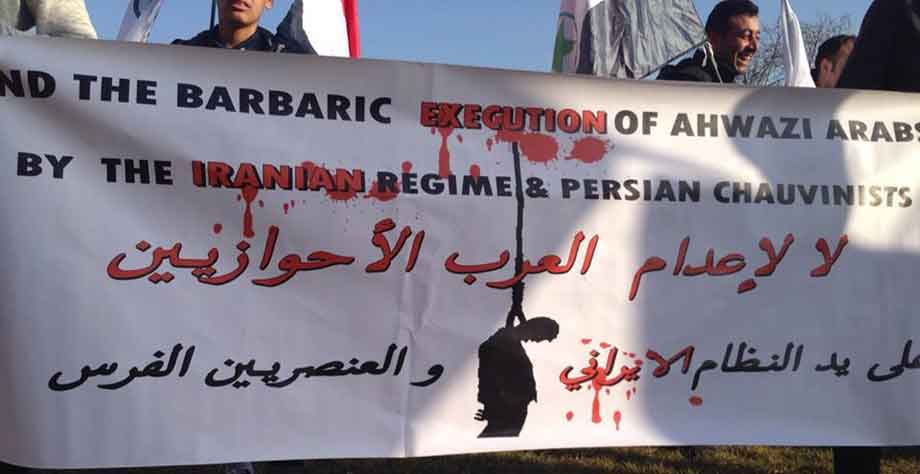
Anti-Arab racism is endemic in Iran, having been encouraged by successive regimes,  with Ahwazis bearing the brunt of this bigotry, both in formal policies which treat them as second-class citizens,  excluded from property  ownership and all but the most menial jobs,  and denied the most basic rights, as well as through a culture  which glorifies racism and casual violence towards Arabs:  many  of the most celebrated contemporary Iranian poets’ most famous poems are filled with virulently racist anti-Arab imagery and language.  This anti-Arab racism extends to all cultural forms, with   one fairly typical recent hit by a popular Iranian singer entitled ‘Kill An Arab’   issued shortly after a phone app game, ‘Beat An Arab’ in which the object of the game is to force-feed a grotesque caricature of an Arab before beating him unconscious:  both the song and he game were approved  for general release by the Iranian Culture Ministry, which routinely approves such offensive items,  and neither is viewed by  Persian Iranians as being in  any way objectionable.

Al-Ahwaz1Ironically while the theocracy in Tehran is keen to present itself as the champion of Palestinians and arch-foe of Zionist occupation, its own savagely imposed  occupation of Ahwazi Arabs’ land is arguably more brutal and its profound anti-Arab bigotry virtually indistinguishable to that of Zionists.

The similarities can be quite uncanny, with Persian Iranians offered generous incentives to move to the Ahwaz region where they are housed in specially built settlements provided with all the latest amenities, and given well-paid state oil industry jobs not available to Ahwazis or offered further substantial financial inducements by the Tehran administration to set up businesses in these areas. As with the jobs and loans, these settlements are off-limits to Ahwazis who are routinely ethnically cleansed from their homes and lands whenever these are confiscated by the regime, with no compensation or recourse to legal complaint, and are housed in overcrowded shanty towns often located near the region’s oil refineries, where open sewers and atrocious pollution lead to widespread health problems.

There is still no word on the  theocratic regime’s reaction to the new ‘I recognise Ahwaz as an Arab State’ media campaign, although the mullahs, who have long refused to  recognise Ahwazis’ basic humanity, let alone their right to their own lands and sovereignty are, like Queen Victoria, unlikely to be amused.

WRITTEN BY SAMANTHA FALCIATORI
The nearly 1,400 people poisoned to death on Aug. 21, 2013 do not have an official murderer yet, but ballistic analysis leaves little doubt. Here is what we know and what cannot be told of that terrible night.

Between 2:00 and 5:00 am on August 21, 2013 in the Damascus suburb of Ghouta nearly 1,400 people, including 400 children, were killed in Syria’s largest chemical attack. According to Doctors Without Borders, in just 3 hours their hospitals received 3,600 people with symptoms of neuro-intoxication.

https://www.youtube.com/watch?v=3hSMr6QzCjA
Victims of the chemical attack.

It was not the first time that toxic gas was used: as early as May 2013 in Jobar (another Damascus suburb in the opposition’s hands) a team of reporters from the French newspaper Le Monde was involved in a chemical attack,  presumably by government forces against the FSA (the moderate forces of the opposition). The team was there to document even more earlier reported cases of chemical attacks in the district. Among them there was Laurent van der Stockt, the most affected of the team: tests conducted in France on his biological samples revealed, as he himself declared, traces of sarin nerve gas. Their reports and testimony describe a terrible reality that was already widespread. In April the use of chemical weapons was also recorded in other areas, but never on a large scale. Until the attack in Ghouta, in the densely populated neighborhoods of Zamalka and Moadamiya. But why Ghouta?

Credit, BBC

Credit, BBC

Because in July 2012 the FSA offensive on Damascus had been successful and the opposition had taken control of some areas surrounding the capital, including Ghouta, threatening the Assad government as never before, who denied responsibility in the chemical attack and accused the rebels. The FSA and the civilians of Ghouta, however, accused the regime of having used chemical weapons to crush the opposition near Damascus.

The UN immediately opened an investigation with a fact-finding mission – which was already in Damascus on August 21 to investigate other cases of chemical weapons use in Khan al Assal and Sheik Maqsood (Aleppo) and Saraqeb (Idlib) – and confirmed the use of chemical weapons in the September 2013 report. The mission interviewed survivors, doctors, nurses and rescue workers, collected many samples (urine, hair, blood, soil, metal, etc …), including fragments of the missiles used, then analyzed them in the laboratories of the Organization for the Prohibition of chemical Weapons (OPCW), which confirmed the use of sarin nerve gas dropped through surface-to-surface missiles.

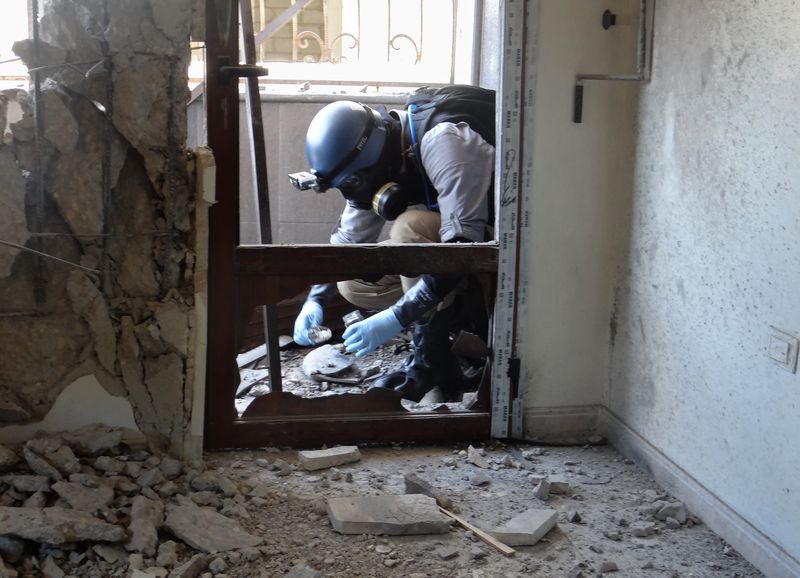
 A UN chemical weapons inspector in Ghouta (Credit to: Ammar al-Arbini/AFP/Getty)

A UN chemical weapons inspector in Ghouta (Credit to: Ammar al-Arbini/AFP/Getty)

In December 2013, the UN published another report on 16 chemical attacks registered before and after August 21, of which only 7 had been investigated. For none of them the responsible could be assessed. However, in some of these attacks, like the one on April 29 on Saraqeb and on Sheik Maqsood on April 13, 2013 the alleged gas was dropped, according to eyewitnesses, by Syrian army helicopters (which is only force in Syria to have aviation). To this regard, the report says on page 79: “Syrian government officials said they have no information to offer on the alleged incident.” More doubts remain on the case of Khan al Assal, the only case that also Russia looked into, producing a 100-page report, which was never published but delivered to UN Secretary General Ban Ki-Moon, in which Russia accused the rebels.

Assigning blame is not easy for a political body such as the UN, considering that at the Security Council sit both allies of the Syrian government and of the opposition. This is why the report does not determine who has used chemical weapons even in the case of Ghouta: the purpose of the mission was to ascertain the use, not those who used them, as explained by Ban Ki-Moon. If on the one hand not determining who is responsible may be politically convenient, on the other hand it is a double-edged sword: it means that the report can be interpreted in favor of the 2 opposite thesis. In fact, Russia has blamed the rebels, going as far as to accuse the UN inspectors of having conducted a “prejudicial and biased” work, while the US, France and Britain have blamed the Assad government.

Let’s start with what is certain: the details that emerge from the report and from the ballistic missile trajectories makes it possible to trace the launch site. Among the most accurate independent works are those by Human Rights Watch and the New York Times. In the report on pag. 26 it is stated that of the 5 missiles launched on August 21 only 2 allow one to calculate the trajectory: the 1st and 4th, respectively launched on Moadamiyah and Ein Tarma. The 1st has an angle of 35° and an azimuth of 215°, while the 4th has an angle of 285° and an azimuth of 105°, which means that tracking back the launch site, the only result is the 104th Brigade of the Republican Guard.

Credit to: Human Rights Watch

Credit to: Human Rights Watch

It is one of the Syrian government bastions, on Mount Qasioun, a place overlooking the Presidential Palace where the Republican Guard and the infamous 4th Army Division (led by Assad’s brother, Maher) are located, which would mean that the order came directly from Maher Assad, as some UN officials believe. The issue is complicated: according to some frantic phone calls between high-ranking Syrian officials intercepted by the BND, the German intelligence service, by Israeli and American intelligence, it would seem that Bashar Assad is not personally involved in the chemical attack. Indeed, the intercepted calls reveal that 4th Division commanders had been asking the Presidential Palace for the authorization to use chemical weapons for 4 and a half months and that Bashar had always denied. It is likely that Maher Assad made the decision alone. In any case, there is broad agreement that it was the Syrian government who used chemical weapons.

In fact, Mount Qasioun is one of the strongholds more firmly in the hands of the regime, where government troops launch their attacks on rebel areas. The argument put forward by the Syrian government and its ally Russia is that, as Putin himself wrote for the New York Times: “No one doubts that poison gas was used in Syria. But there is every reason to believe it was used not by the Syrian Army, but by opposition forces, to provoke [military] intervention”. Which in fact, after the attack seemed to be imminent, when Obama found himself in the uncomfortable position of having to act on the threat made to Assad the previous year to use force in the event of a chemical attack, which was a red line.

But if so, it should at least be explained not only how the rebels would have been able to steal nerve gas from the regime, but also how they managed to penetrate the stronghold of government troops and self-launch sarin. To this regard, it is useful the statement of prof. Ake Sellstrom, head of the UN mission, who in this interesting interview (page 10) admits: “If you try the theory that it was the opposition that did it, it is difficult to see how it was weaponised. Several times I asked the government: can you explain – if this was the opposition – how did they get hold of the chemical weapons? They have quite poor theories: they talk about smuggling through Turkey, labs in Iraq and I asked them, pointedly, what about your own stores, have your own stores being stripped of anything, have you dropped a bomb that has been claimed, bombs that can be recovered by the opposition? They denied that. To me it is strange. If they really want to blame the opposition they should have a good story as to how they got hold of the munitions, and they didn’t take the chance to deliver that story”.

_69784568_chemical_weapon_624_v4

In September 2013 a military intervention in Syria to eliminate the chemical threat, opposed by most of global public opinion, seemed imminent, although the US themselves were not excited at the idea. In fact, they seized the Russian proposal to dismantle the chemical arsenal of Damascus with the regime’s consensus.

The Syrian government had denied for years that it possessed any chemical weapons, but, when pressed, not only had it to admit possessing them (revealing, to the surprise of the inspectors, also production plants artfully disguised, such as labs on mobile trucks with 18 wheels), but it also had to access the Chemical Weapons Convention to dismantle them and to allow OPWC inspectors  into the sites. On paper the mission was successful; in reality, not quite. In May 2015, when the mission was virtually over, OPCW inspectors found other  undeclared sites where the Syrian government was working on Sarin and VX nerve gas. This shows that the Syrian government has lied regarding its arsenal and therefore could still possess chemical weapons. All this seems to confirm many claims, spread by several parties from 2013, that the Syrian government was moving chemical weapons into friendly countries, such as Lebanon and Iraq, so that more than once (as in January and May 2013) Israeli jets bombed Syrian convoys bound for these countries to prevent arms transfers.

More detailed are statements from Syrian army deserters who warned several times of chemical weapons transfers across borders and of their use. But perhaps the most important testimony comes from Brigadier General Zaher Saket, former commander and chemical weapons officer in the 5th Division of the Syrian army, who defected in March 2013 and who now works with the OPWC mission. He revealed the chain of command behind the use of chemical weapons and that the orders are to use them in those areas in opposition hands where the army is unable to eradicate the enemy. Saket also revealed that he was ordered to use chemical weapons three times, the first time in October 2012. The order to release poison gas on Sheikh Maskeen, Herak and Busra (in the province of Deraa) came from Brigadier General Ali Hassan Ammar, but Saket did not execute the orders and replaced the mixture of phosgene and chlorine gas that he was supposed to use with a harmless water-based mixture. The third time was in January 2013, but his supervisor became suspicious about the lack of victims after the attacks, so Saket was forced to flee to Jordan. As of September 2013, according to Saket, chemical attacks by the regime had been 34.

One of the weekly Kafranbel protests marking the first chemical attack anniversary. Credit to: Occupied Kafranbel

One of the weekly Kafranbel protests marking the first chemical attack anniversary. Credit to: Occupied Kafranbel

On August 7, 2015 the UNSC unanimously approved resolution S/RES/2235 that should create for the first time an investigation mechanism to determine who is responsible for the chemical attacks in Syria. Perhaps one day truth will be ascertained and those responsible will be judged. For now, we have the terrible testimonies of survivors.

kafranbelwritten by Ruth Riegler     What foreign policy values does Obama actually believe in? From his speeches, each one a lovingly crafted oratorical masterpiece, one would imagine him to be a hybrid of Gandhi and Martin Luther King Jnr, an impassioned idealist working tirelessly for a world of brotherhood, peace, love, justice, freedom, respect for human rights and other exceedingly laudable and desirable objectives.

In the real, non-rhetorical world, he’s been the best thing for totalitarian expansionism since the Molotov–Ribbentrop Pact, with the world’s most repressive regimes joyously taking advantage of this new US détente with brutal authoritarianism.

Having ordered the bombing of seven Muslim nations in six years to date, and collected half the world’s dictators on speed-dial, Obama’s expanded the endless global war of terror beyond GW Bush’s wildest dreams, now making its Middle East front fully sectarian in a partnership with Tehran’s theocratic regime, to whom he’s graciously delivering control of most of the Mashreq as a means of ensuring “regional stability” of the totalitarian variety, while the rest of the region remains under the control of other US-friendly dictators.

The Syrian and other Arab peoples’ feelings about yet another Western-backed regional takeover and their concerns about the resulting ever-worsening regional meltdown, meanwhile, are ignored or treated with a condescension more commonly seen from a kindergarten teacher addressing four-year-olds, in the traditional Western policymakers’ style. All of which rather jars with the Age of Aquarius foreign policy visions outlined in the POTUS’ aforementioned lovely speeches.

This isn’t just the customary understandable gap between unattainable lofty ideals and messy reality; this is an intergalactic-sized Grand Canyon. How is it that a president who came to power on a platform of progressive yearning for a fairer, better world ended up being the BFF and helpmeet of totalitarianism worldwide? How did the president of peace become the warmonger supreme?

Much of the answer lies precisely in that ‘progressive’ worldview. Obama is the archetype and patron saint of contemporary Western progressive values, primary among which is a boundless Orientalist arrogance and condescension for non-Western peoples. For the West’s ‘progressives’, the timeless leftist ideals of universalism and solidarity with the oppressed, liberté, égalité, fraternité – are passé. At heart, though unlikely to admit it, progressives fundamentally share the far left’s and far right’s belief that freedom, equality and brotherhood are far too important to be shared with the non-Western masses, reserving their solidarity instead for the leaders of modishly despotic regimes.

The one partial exception to this adulation of oppression overseas amongst Western progressives is Palestine – although even this laudable support for freedom, justice and human rights extends only to those Palestinians in occupied Palestine itself, while those in Syria dying for the same basic rights are dismissed, like Syrians, as expendable “collateral damage” or of course – in true Zionist style – as “extremists” and “terrorists”.

Indeed, the Western ‘progressive’ politicians and media deploy exactly the same lexicon of dehumanisation to support exactly the same apparently endless ‘war on terror’ as the conservatives and neocons who are their supposed arch-nemeses, with the only perceptible difference being that the progressives have outsourced more of the grunt work and added more touchy-feely patently ludicrous speeches about supporting human rights.

While neocons preferred to abuse the words ‘freedom’ and ‘democracy’ to justify carpet-bombing and backing for totalitarianism, progressives prefer to radically reinterpret the ideas of ‘peace’ and stability’ for the same purpose.

As with Bush’s preferred version of ‘freedom’ and ‘democracy’ via bombs and occupation, progressives’ preferred version of ‘peace’ and ‘stability’ in the region is of the maximum security prison variety – those are, after all, peaceful and stable places by their nature and woe betide the tens of millions of inmates demanding freedom and human rights.

In both cases Washington’s objective takes precedence over the wishes of the subject peoples, for whom subjugation, despotism and rule of terror remain the only constants, whether the glossy rhetoric from the faraway backers of that oppression is neoconservative or ‘progressive’ in nature. Meaning that Washington is doomed to be treated with the same disregard by the Arab people in turn.

from Radio Free Syria: https://www.facebook.com/RadioFreeSyria

muslim-girl-crying-8(Traduzione di Claudia Avolio)

Una ragazza palestinese diciottenne di nome Huda ha spiegato nel dettaglio le orribili esperienze vissute nelle carceri del regime siriano, che vanno dalle percosse alla tortura con scariche elettriche agli stupri multipli.

Huda, originaria del campo di rifugiati palestinesi di Yarmouk, a Damasco, che non ha voluto diffondere il suo vero nome per ovvie ragioni (la paura di ulteriori ripercussioni da parte del regime) è stata arrestata da membri del Fronte Popolare per la Liberazione della Palestina – Comando Generale (FPLP-CG), gruppo pro-regime, all’entrata del campo verso l’inizio del 2013 quando aveva 16 anni con accuse di “terrorismo”.

Huda ha detto che lei ed altre tre donne palestinesi del campo di Yarmouk sono state torturate dal personale del FPLP-CG prima di essere consegnate al tristemente noto braccio “Palestina 235” del regime di Assad a Damasco, in cui è stata incarcerata per i quattro mesi successivi.

Ha ricordato di aver subìto tutte le forme di tortura da parte degli agenti di sicurezza del regime ogni volta in cui la portavano fuori dalla cella che misurava appena 3 metri per 4 ed in cui è stata tenuta insieme ad altre diciotto donne, la maggior parte palestinesi come lei. I torturatori del regime hanno iniziato con le scosse elettriche, ha detto Huda, seguite da percosse con fruste e corde. In seguito è stata trasferita al “Braccio 215” sempre a Damasco, in cui nelle sue parole la tortura è “esponenzialmente” peggiore di quella che aveva sofferto al braccio “Palestina”.

Al “Braccio 215”, ha ricordato ancora la ragazza, “gli investigatori interrogavano giovani donne e uomini del campo di rifugiati di Yarmouk, chiedendo nomi [di chiunque si opponesse al regime]. Quando negavamo di conoscerli, ci picchiavano, torturavano, lasciavano morire di fame e ci davano scosse elettriche. Sono stata stuprata nel corso della mia permanenza lì per oltre 15 giorni. A volte sono stata stuprata ripetutamente più di dodici volte al giorno da diversi funzionari e guardie della prigione”.

Huda ha scoperto di essere rimasta incinta nel corso di uno degli stupri quando ha abortito per via delle percosse quotidiane che le venivano inferte come sempre, di cui ha detto che il risultato è stato “il mio essere ferita e sanguinante al punto di perdere conoscenza. Mi hanno gettata in una cella piena dei corpi di detenuti uccisi sotto tortura, in cui sono stata obbligata a restare, circondata da quei corpi e da quel sangue per circa tre settimane. È stato allora che ho scoperto di essere incinta, quando ho abortito per via delle percosse”.

Lo stupro di detenute donne è pratica comune, ha spiegato Huda, aggiungendo: “Una di loro ha tentato di suicidarsi sbattendo la testa sui muri della cella. Ogni volta perdeva conoscenza per alcune ore”.

La ragazza ha ricordato un caso di cui è stata testimone quando una ragazza palestinese di 20 anni nella stessa cella ha dato alla luce un bambino concepito quando è stata stuprata ripetutamente dalle guardie del regime. “Dopo che è nato, non riusciva a guardare il bambino o a tenerlo vicino a sé nella cella, e non sopportava il suono del suo pianto. Voleva solo sbarazzarsene, ucciderlo mentre non guardavamo, perché la sua esistenza era un promemoria del fatto che fosse stata stuprata dai funzionari”. Ha continuato dicendo: “Alcuni giorni dopo una guardia è entrata e ha portato via il bambino – sapevano che la sua presenza nella cella era una prova della tortura che l’aveva creato”.

Prison-HandsHuda ha parlato di come sia quasi morta in uno dei centri di detenzione del regime per via degli effetti della tortura, della fame e dello stupro, che l’hanno ridotta sanguinante in modo grave; le guardie del regime l’hanno lasciata nella sua cella senza alcun riguardo sanitario né medicine.

Tra le forme di tortura psicologica che ha ricordato, Huda ha detto che mentre era tenuta nella cella coi corpi senza vita di altri prigionieri è stata obbligata a mangiare del cibo gettato sul pavimento davanti a lei come a un animale, cibo che si era mescolato al sangue rappreso lasciato dalle ferite dei prigionieri morti. I detenuti ricevevano un pasto al giorno composto di bulgur (grano spezzato), a volte accompagnato da una fetta di pane. Ha detto ancora: “Potevo sentire dei lamenti dalle celle vicine mentre camminavano sui corpi delle persone per portare dei cadaveri fuori nel passaggio che collega le celle”.

Ha descritto guardie ubriache far subire ai detenuti percosse in modo indiscriminato senza alcuna ragione o giustificazione, insieme a costanti abusi verbali in cui insultavano i prigionieri e la loro religione, aggiungendo che un’altra giovane donna è morta per le ferite riportate alla testa nel corso di queste percosse date a casaccio.

Funzionari e guardie si vendicavano spesso sui prigionieri delle perdite subìte dall’esercito del regime in scontri con le forze ribelli all’esterno, nonostante i prigionieri non avessero nulla a che farci, ha detto ancora Huda, ricordando poi una donna che è stata punita e messa in una cella di isolamento per oltre tre mesi dopo che ha insultato Assad nel corso delle torture.

Yarmouk, agosto 2015, manifestazioni contro il perdurante assedio del campo profughi palestinese vicino a Damasco.

Yarmouk, agosto 2015, manifestazioni contro il perdurante assedio del campo profughi palestinese vicino a Damasco.

Dopo essere stata finalmente rilasciata dalla prigione, Huda ha scoperto che suo padre era morte in un bombardamento da parte del regime del campo di Yarmouk molti mesi prima, mentre lei era in carcere, e che quattro dei suoi fratelli erano stati imprigionati. Quando ha cercato di scoprire dettagli su dove fossero finiti, recandosi all’ufficio dell’OLP a Damasco e all’ambasciata palestinese, è stata informata da un membro dello staff che “se non fossero stati terroristi non li avrebbero arrestati per così tanto tempo” e che “meritavano di venire arrestati visto che erano terroristi”. Huda ha detto di essere riuscita a identificare tre dei suoi fratelli dalle foto trapelate di detenuti che sono morti nelle prigioni del regime sotto tortura, mentre il destino del suo fratello più giovane resta sconosciuto.

Il Gruppo Palestinese di Lavoro in Siria ha chiesto che il regime siriano rilasci tutti i prigionieri palestinesi e ne riveli la sorte, sottolineando che quanto sta avvenendo nelle prigioni del regime è un crimine contro l’umanità sotto ogni standard. Il gruppo ha ufficialmente catalogato 933 prigionieri palestinesi detenuti dal regime, confermando l’uccisione sotto tortura di 408 di loro, di cui 77 appurate dalla pubblicazione di immagini trapelate di alcuni dei prigionieri uccisi sotto tortura nelle prigioni del regime.

Articolo tratto dal Gruppo Palestinese di Lavoro in Siria

Via: Shahba Press

English version https://wewritewhatwelike.com/2015/08/07/arrest-detention-torture-starvation-rape-when-you-are-a-palestinian-girl-in-syria/

muslim-girl-crying-8(translated by Ruth Riegler) An eighteen-year-old Palestinian girl named ‘Huda’ has detailed her horrific experiences in Syrian regime prisons, ranging from beatings and torture with electric shocks to multiple rapes.

Huda, from Yarmouk Palestinian refugee camp in Damascus, who wished to withhold her real name for understandable reasons (fearing further persecution by the regime) was arrested by members of the pro-regime ‘Popular Front for the Liberation of Palestine – General Command’ (PFLP-GC) at the camp entrance in early 2013 when she was 16 years old on charges of “terrorism”.

She said that she and three other Palestinian women from Yarmouk camp were tortured by the PFLP-GC personnel prior to being delivered to the Assad regime’s infamous ‘Palestine – 235’ branch in Damascus, where she was imprisoned for the next four months.

She recalled being subjected to all forms of torture by the regime’s security agents whenever they took her out of the cell there measuring roughly 3 x 4 meters, where she was kept with eighteen other women, mostly also Palestinians. The regime’s torturers began with torture by electrocution, she said, followed by beatings with whips and rods. After this she was transferred to ‘Branch 215’ also in Damascus, where she said the torture is “exponentially” worse than that she’d suffered at the Palestine Branch.

At Branch 2015, she recalled, “the investigators were interrogating young girls and young men from Yarmouk refugee camp, demanding names [of anyone opposing the regime]. When we denied knowing them, we’d be beaten, tortured, starved, electrocuted. I was raped during my stay there for more than 15 days. Sometimes I was raped repeatedly more than a dozen times a day by different officers and prison warders.”

Huda found out that she had been impregnated during one of the rapes when she miscarried a baby as a result of one of the daily beatings administered as standard, which she said resulted in “my being injured and bleeding heavily, losing consciousness. They threw me into a cell filled with the bodies of detainees killed under torture, where I was forced to stay, surrounded by those bodies and blood for approximately three weeks. Then I found out I was pregnant when I miscarried as a result of the beatings.”

Rape of the female detainees is commonplace, she explained, adding, “One of them tried to commit suicide by battering her head off the walls of the cell. Each time she’d lose consciousness for a few hours.”

Huda recalled one case she witnessed when a 20-year-old Palestinian girl in the same cell gave birth to a baby boy conceived when she was repeatedly raped by the regime guards. “After the birth, she couldn’t bear to look at the baby or keep it next to her in the cell and wasn’t able to endure the sound of his crying. She just wanted to get rid of him, to kill him when we weren’t looking because his existence was a reminder to her of being raped by the officers.” Huda added, “A few days later a guard entered and took the baby away – they knew that his presence in the cell was proof of the torture that created him.”

Prison-HandsHuda recalled how she nearly died in one of the regime’s detention centres due to the effects of torture, starvation and rape, which left her bleeding severely; the regime guards left her in the cell without any medical attention and no drugs, she added.

Among the forms of psychological torture she recollected, Huda said that while she was kept in the cell with the dead bodies of other prisoners she was forced to eat food thrown on the floor in front of her like an animal, which had mixed with the congealed blood that was left there from the wounds of the dead prisoners. Detainees received one meal a day of bulgur wheat, she said, which was sometimes augmented by a round of bread. She added, “I could hear groaning from neighbouring cells as they stepped on people’s bodies to bring dead bodies out into the connecting passage between the cells.”
She described drunken guards subjecting detainees to random indiscriminate beatings for no reason and without justification, in addition to constant verbal abuse cursing the prisoners and their religion, adding that another young woman had died from the head wounds inflicted during one of these random beatings.

Officers and guards would often take revenge on the prisoners for regime military losses in clashes with rebel forces outside the prison, despite the prisoners having nothing to do with it, she added, further recalling that one woman was punished by being subjected to solitary confinement for over three months after she cursed Assad during torture.

Yarmouk, August 2015, protests against the ongoing seige in the Palestinian refugee camp Yarmouk, outside Damascus.

Yarmouk, August 2015, protests against the ongoing seige in the Palestinian refugee camp Yarmouk, outside Damascus.

After finally being released from prison, Huda learnt that her father had died in regime bombing of Yarmouk several months previously while she was incarcerated, and that four of her brothers had been imprisoned. When she tried to find out details of their whereabouts from the PLO office in Damascus and the Palestinian embassy there, she was informed by a staff member that “If they weren’t terrorists they wouldn’t have been arrested for so long” and that they “deserved to be arrested since they were terrorists.” Huda said that she had been able to identify three of her brothers from leaked photographs of detainees who died in regime prisons under torture, while the fate of her youngest brother remains unknown.

The Palestinian Working Group in Syria has demanded that the Syrian regime release all Palestinian prisoners and reveal their fate, stressing that what is taking place in the regime’s prisons is a crime against humanity by every standard. The group has officially catalogued 933 Palestinian prisoners detained by the regime, with 408 of this number confirmed to have been killed under torture; 77 of these deaths were confirmed by the publication of leaked images of some of the prisoners killed under torture in the regime’s prisons.

From Palestinian Working Group in Syria
Via: Shahba Press

http://www.shahbapress.com/news/2002/%D8%B4%D8%A7%D8%A8%D8%A9-%D9%81%D9%84%D8%B3%D8%B7%D9%8A%D9%86%D9%8A%D8%A9-%D8%AA%D8%B1%D9%88%D9%8A-%D8%AA%D9%81%D8%A7%D8%B5%D9%8A%D9%84-%D9%85%D8%B1%D9%88%D8%B9%D8%A9-%D8%AA%D8%B9%D8%B1%D8%B6%D8%AA-%D9%84%D9%87%D8%A7-%D8%AF%D8%A7%D8%AE%D9%84-%D8%A7%D9%84%D8%B3%D8%AC%D9%88%D9%86-%D8%A7%D9%84%D8%B3%D9%88%D8%B1%D9%8A%D8%A9.html

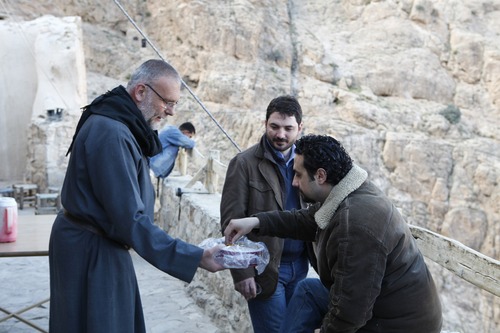
p paolo 2WRITTEN AND TRANSLATED By Samantha Falciatori

“Democracy in Syria is possible, but only if freedom of expression is assured and if you waive any attack on human dignity and abuses against human rights”, wrote Father Paolo dall’Oglio in 2011. At the outbreak of the revolution and in front of the repression that followed, Father Paolo sided immediately with the oppressed.

Jesuit of Roman origins, Paolo dall’Oglio fell in love with Syria when he was a young man and he settled there with a mission: to promote peace and dialogue between religions and ethnic groups in Syria. To do so, in the ’80s he founded the monastic community of Deir Mar Musa (Monastery of St. Moses the Abyssinian), north of Damascus.

His work for peace and for the promotion of dialogue between Christians and Muslims has earned him respect across the country, but after the outbreak of the revolution it became troublesome. To resolve the crisis, Father Paolo wrote an article in 2011 in which he proposed a peaceful transition to democracy in Syria, on the basis of what he called “consensual democracy”, with a Parliament that had real power; something that in over 40 years of dictatorship has never existed, except on paper. President Bashar al-Assad would have a central role in this process and, conceding the reforms that the people asked, he could stop the violence and maintain the country’s stability.

“I pray with all my heart that the President, his family and his advisers, can see this occasion as historic because Syria can make a quantum leap in the direction of a more just future,” wrote Father Paolo. But his prayer fell on deaf ears; on the contrary, it unleashed the wrath of Assad, who issued an expulsion order, where among the motivations there was “aiding terrorists”. In an interview in January 2013, Father Paolo explained:

“I have been in one of the besieged cities in the hands of the revolution, I gave blood to the wounded, I tried to free the prisoners, the kidnapped, and this put me in contact with the armed resistance [author’s note: FSA]. Later it was said that Father Paolo is connected with terrorism, but for the government all the revolution is terrorism[..] Now since I am in solidarity with young people who demand democracy and are imprisoned, tortured or massacred, I become a terrorist agent.”

padre p 1The expulsion was not immediately implemented and Father Paolo could stay, as long as he would keep a “low profile”, avoiding statements opposing the regime. However, following the publication of an open letter addressed to the then Secretary-General Kofi Annan (May 2012) in which he urged the intervention of the Security Council, the UN peacekeepers and the establishment of a no-fly zone to protect civilians from the indiscriminate bombings by the government aviation, under the pressure of his bishop he was forced to leave Syria. He was accompanied to Lebanon by the Apostolic Nuncio in Damascus, not by government authorities, on June 12, 2012. He went into exile in Sulaymaniyah, Iraqi Kurdistan. But also from the exile he did not stop denouncing the ongoing violence in Syria and claiming loudly the need for a democratic solution to the conflict that could only start from the renewal of the Syrian government and from the end of decades of dictatorship.

His courageous stand in support of the protesters, in the name of human rights and of the legitimate aspirations for freedom, made him even more loved by the Syrian people: on December 4, 2011 Syrian citizens dedicated to Father Paolo one of the usual Friday protests to emphasize how religion is a factor of unity and not of division.

In December 2012, Dall’Oglio was awarded with the Peace Prize of the Lombardy region for his efforts to bring peace in Syria. But the honesty, the frankness and the intransigence of its position against the Syrian government made him troublesome even for ecclesiastical authorities, which are historically allied with Damascus. Even Father Paolo’s open letter to Pope Francis, also a Jesuit, fell unheard.

In July 2013 Father Paolo returned to Syria, in the eastern city of Raqqa. His last whereabouts are recorded in these videos http://www.belfasttelegraph.co.uk/…/video-father-paolo-dall… that show him taking part https://www.youtube.com/watch?v=6xwrC76gtqM&feature=youtu.be, on July 28, to a rally in support of the martyred city of Homs, then besieged by government troops. On July 29, he was kidnapped by ISIS and since then there is no information, if not conflicting and never verified reports. According to some sources he was executed two hours after the kidnapping, but then he was reportedly spotted in a prison in Aleppo and then among the prisoners of ISIS in Raqqa. The Italian Foreign Ministry has never confirmed nor denied and to this date his fate is still unknown.

But why Raqqa?

Because when Raqqa became the first Syrian city to fall entirely in the hands of the opposition, in March 2013, it became one of the first successful experiments of self-government by the civil society, that formed local governments and peaceful movements (such as Our Right and Raqqa Free Youth Assembly) that kept the city going. There were even the first free local elections after 40 years of dictatorship. But the idyll did not last long, not just because the government air force bombed Raqqa daily, but also because ISIS (which in those months was beginning to consolidate power in Syria) attacked the city assuming total control in the following months. Terror returned, along with the hunting down of activists, the tortures and the executions. In Raqqa Father Paolo wanted to meet with ISIS leaders to demand the release of foreign journalists, but he was kidnapped too.

“It is madness for a sheep to talk peace with the wolf”, wrote Thomas Fuller. Maybe, but he who believes in peace, in democracy, he who does not bend to the logic of political opportunism, he who makes out of Christian ethics his lifestyle and not just a dress, he does not even fear wolves.

To commemorate the Jesuit priest, on July 23 the Association “Journalists friends of Father Dall’Oglio” was established.

In Italian: Translation http://www.thezeppelin.org/padre-dalloglio-il-gesuita-rapi…/

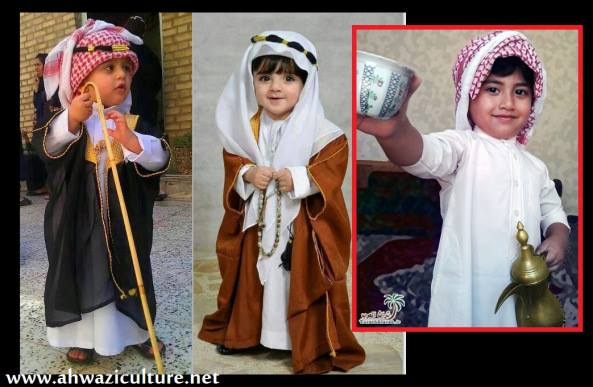
ahwazi kidsWritten by Rahim Hamid  

The objective of this article is to highlight the pervasive systematic violations of the Ahwazi Arab people’s rights. Over the last 36 years, essentially coinciding with the formation of the Islamic Republic of Iran, these violations have increased many-fold, even as the Ahwazis continue demanding their legitimate rights.

This article seeks to provide a comprehensive picture of the prolonged oppression of the Ahwazi Arab people. They are suffering from ultra-national racism, institutionalized discrimination and deliberate neglect at the hands of Iran’s regime. They are facing various barriers in accessing education, employment, housing, healthcare and other essential services.

Since 1925, the Ahwazi Arab people have been subjected to summary executions, forcible displacement, migration, and the confiscation and destruction of homes and personal property. Under Iran’s current fundamentalist sectarian regime, the Ahwazi people live in constant fear of oppression. The current Iranian clerical regime is systematically completing the ethnic cleansing agenda that was begun by the deposed Pahlavi regime.

Around 10 million Ahwazi Arabs inhabit the south and southwest of Iran.  They are one of the Middle East’s oppressed peoples.

They are united through race, culture and language. Their Arab dialect resembles the Iraqi Arabic dialect.  The Majorities are Shia and Sunni Muslim, although there are a number of other religions and creeds, such as Christians and Mandaeans.

The Iranian regime has shown a deep-seated hatred against the Ahwazi Arab people, who constitute 10% of the population.  In 1925, the emirate of Al- Ahwaz, ruled by Amir Khazaal Al-Kaabi, was toppled by an invasion by the Iranian regime. The invasion put an end to the independent sovereignty of Al-Ahwaz, which was annexed to the newly formed country of Iran in 1934.

Since then, through countless rebellions, armed insurrections and unarmed movements, the Ahwazi Arabs have reiterated their determination to continue their struggle and their resistance against the occupation of Ahwaz and to reassert the sovereignty of Ahwaz that was lost to the Iranian invasion.

For generations, the Ahwazis have received harsh treatment at the hands of the Iranian authorities.  In response to the popular uprisings that followed the Iranian occupation, successive Iranian regimes have forcibly resettled much of the Ahwazi Arab population in Persian regions, as part of a program of ethnic cleansing. Historical Arabic names of cities have been changed into Persian ones. Arabic dress has been completely banned. The use of the Arabic language in Ahwaz has been greatly restricted and even criminalized. Even the ethnic identity of the Ahwazi Arab has been denied.

Ahwazi Arabs have long been suppressed and denied basic rights. In recent years, Ahwazi lands have been confiscated forcibly with threats and intimidation and redistributed to Persian settlers in an attempt to “Persianize” Ahwazi regions. In the late 1940s, the government began systematically settling the nomadic “Lur tribes”, who are offshoots of Persian ethnics, into areas with Arab majorities, particularly in the oil-rich cities from which the Arab people were forcibly relocated.

These ethnic cleansing policies have been accelerated in recent years in an effort to destroy the demographic fabric of Ahwaz. Any popular movement or protest led by the Ahwazi political class, such as the popular uprising of April 2005 against institutionalized ethnic oppression, has been brutally crushed  by cracking down on the protestors and making mass arrests, even executing the majority of the prominent political figures.

In fact, the Ahwazi Arab people have sought and tried all peaceful political channels to obtain their most basic and legitimate rights, which are enshrined and stated in Iran’s current constitution. In particular, the Ahwazi Arabs have sought the application of Articles 15 and 19 of the Constitution, which stress the right of education in the mother tongue for all ethnic groups, including Arabs, Turks, Kurds and Baluchs. The regime, however, refuses to implement these articles, thus depriving more than 50% of the non-Persian population of their mother tongue. Instead, the regime has imposed the Persian language as the official language of the education curriculum. This policy has resulted in a high rate of students dropping out from schools at early ages in the marginalized non-Persian regions:  due to the challenges of learning the Persian language, students are held back linguistically, becoming only partially proficient in both their native tongue and the imposed Persian language. This also results in students suffering from a dual identity crisis.

 The Iranian occupation regime is utilizing a variety of strategies in its efforts to obliterate Arab identity in Al-Ahwaz. One of these strategies is to introduce Persian-speaking settlers and give them homes among communities of Arab citizens with the aim of having a negative impact on the Ahwazi Arab citizens in Al-Ahwaz. In addition, a massive number of schools, institutions, and centers are being built for the express goal of imposing and spreading the Persian language and culture, while obscuring and excluding the Arabic language and everything that is associated with the identity, culture and history of the Ahwazi Arab people.

The Iranian settlements are Persian-only, racially exclusive, and their residents live in comfort, with all the facilities provided, while the surrounding Ahwazi Arabs are denied the same facilities and live in desperate squalor in their own homeland.

Of course, the Ahwazi Arab people’s protests against the Iranian occupation are not limited to such issues. Since the military occupation of Al-Ahwaz until now, Iran has been practicing all types of repressive measures, and through the prosecution of multiple pernicious policies, the regime is attempting to eliminate totally the Arabic identity of the Ahwazis.

The terrible legacy of Iran’s repressive nationalist occupation cannot be overstated. It has inflicted horrendous suffering on around 10 million Ahwazi Arab people, who have long suffered systematic marginalization by consecutive regimes of Iranian occupation, going back to the Shah, before the current theocratic regime, in terms of land, territories, resources, language, culture, customary laws, and political and economic opportunities.

From the outset, the occupation of Al-Ahwaz by a racist colonial-settler state has been aimed at eradicating all that is Arabic in Al-Ahwaz. No effort has been spared to liquidate the culture, the language, the history and the whole Ahwazi Arab national entity within the crucible of the Persian culture through the denial of all legitimate rights, such as education and the teaching of the Arabic language, which is one of the most important pillars of raising new enlightened generations. A second language (Farsi) is being imposed.

Since the emergence of the Islamic Republic’s regime, everything related to Arab culture has been declared to be ‘against God’ and thus banned. As a matter of fact, the clerical regime does not concern itself with religious beliefs as much as they are concerned about fighting the Ahwazi Arab identity and snuffing out their culture. This colonialist policy has led the Ahwazi Arab people to fall far behind in terms of development and education, with the policy being practiced in parallel with terrorism, intimidation and oppression, all of which have weakened and made the Arabic language fragile among the Ahwazis.

The Iranian occupation apparatuses have been attempting to falsify and distort the national identity and   culture of Ahwazis by describing them as Iranian Arab and as an Arab-speaking minority, which is intended to suggest that they are not originally Arab, but that they are Persians who over time have come under the linguistic influence of their neighbors and become Arab-speakers because of the proximity of Arab countries. The threat of the national Ahwazi Arab ideal to a Persian national security policy has occupied a key position not only among the Iranian security forces; it has become central to the Iranian nationalist political ideology, which is based on the dual doctrines of Persian nationalism and Iranian Islam (Shia Islam).

From the books and studies published by the Iranian strategic centers at the service of the occupation, we can understand how critical this issue is to the regime. Such studies and publications are full of strategies and vile concepts aimed at countering the Ahwazi Arab struggle; they are filled with weird concepts created to tarnish the image of the national Ahwazi movement. For example, these books and publications label Ahwazis as loyalists of the Arab Socialist Ba’ath Party. After the fall of the Iraqi regime, the Iranian occupation produced the concept of Wahhabism. Then it invented the lies that the Ahwazi political activists are Western spies and stooges, enemies of God, traitors, or infidel atheists. These charges carry the death penalty, and the biased judicial systems of the Iranian occupation use them to murder Ahwazi Arab political prisoners.

ahwazi3Owing to this, the threat of imprisonment and execution has been a constant reality for every Ahwazi. This threat is aimed at weakening the willpower of the Ahwazi Arab nation so that it will surrender its prolonged struggle for liberation, its struggle to regain the independence stolen by Iran in 1925. Despite all these repressive strategies, not only has the Ahwazi Arab culture not lost its fortitude, on the contrary, it has become even stronger.

Racial denial and elimination, mass extrajudicial murder, ethnocide and forced displacement have constituted the main policies of the Islamic Republic of Iran in dealing with the Ahwazi people and other national groups. However, the indigenous culture and the ethical and historical values of the Ahwazi Arab nation, as manifested in the context of social resistance, have never surrendered to the assimilationist policies of the Iranian effort to build a nation state on the basis of a mono-ethnic Persian identity.

Some of the victims of the massacre of civilians in the 1976 Tal al Zaatar Palestinian refugee camp in Lebanon by Assad's forces and Maronite Lebanese troops

Some of the victims of the massacre of civilians in the 1976 Tal al Zaatar Palestinian refugee camp in Lebanon by Assad’s forces and Maronite Lebanese troops

Written by Ruth Riegler
Since the 1948 Nakba, association with the cause of Palestinian freedom has been endlessly useful.
It hasn’t been useful in any way, of course, for the vast majority of Palestinians, who continue to languish in disempowered internal or external exile from their lands, now occupied for over 67 years and counting. But for generations of regional and other leaders, totalitarian regimes, pundits, activists and anyone else fancying a bit of easy reflected glory, Palestine has provided an invaluable patina of revolutionary kudos by association.

Every government in the Middle East and a good few elsewhere, more particularly the nominally anti-imperialist regimes and dictators, plays the ‘anti-zionist’ card professionally: the Assads, father and son, have been adept exploiters of Palestine since Hafez al-Assad first seized power. The regime has relied heavily on its ‘heroic resistance’ reputation, winning admiration and praise worldwide. The most cursory analysis of the regime’s actual ‘resistance’ shows a long track record of cynical exploitation, betrayal and oppression of Palestinians since Hafez first seized power right up to the modern day, ranging from its attempts to hobble the PLO and complicity in the massacre in Lebanon’s Tel al Zaatar camp to the current ongoing ‘Second Nakba’, demonstrating the Assads’ true distaste for freedom, for Palestinians as for Syrians, Lebanese or anyone else who stands in their way.

Some of the residents of Yarmouk Palestinian refugee camp in Damascus who have starved to death under the continuing regime siege on the camp, much of which has been destroyed by two years of regime aerial and heavy artillery bombardment.

Some of the residents of Yarmouk Palestinian refugee camp in Damascus who have starved to death under the continuing regime siege on the camp, much of which has been destroyed by two years of regime aerial and heavy artillery bombardment.

Should Palestine actually be liberated or Zionism be dismantled, as the Assads have always been fully aware, the regime would need to find new excuses for its savage domestic repression. But as the Assads and the other ‘axis of resistance’ leaders are well aware, people will always prefer the reassuring lie of jam tomorrow to the dark reality of totalitarianism today.

Indeed, that bleakly ironic dependence on exploiting the cause of Palestinian freedom to justify brutal domestic oppression is a common feature to all the ‘axis of resistance’ members. Any demands for greater freedom, investment in infrastructure, more schools or anything else can quickly be dismissed with accusations of those behind them being Zionist agitators attempting to derail the always-imminent glorious liberation. Any questioning of the Assads’ expenditure of 90 percent of GDP on the military for decades has been quickly countered with the insistence that this is essential both to defend the homeland from Zionist expansionism and for that same ever-imminent liberation. In reality, as we continue to see, the regime’s military juggernaut, like that of the Assads’ ‘anti-imperialist’ allies, has been reserved exclusively for use against Syrian and Palestinians in Syria, but small details like this don’t stop the regime’s hot air emissions about “opposing Zionism.”

The Iranian regime, the fulcrum of the ‘resistance’ axis, is even more adept in and reliant on its exploitation of the cause of Palestinian freedom. Having sold itself as the great saviour of Palestine, prevented from triumphant liberation of Al Quds only by fiendish Zionist plots for 36 years to date, Tehran is wholly dependent on Israel’s continuing occupation to justify its own domestic totalitarianism and more recently its own colonialist regional empire (re) building and occupation. As Ahwazi Arabs have known for a very long time, of course, the Iranian regime is little different in supremacist essence and bone-deep racism to its counterpart in Tel Aviv; indeed, it’s one more bitter irony that the Israeli occupation is less savage overall than that imposed by the ‘great liberators’ in Tehran, both domestically and regionally.

With the regional regimes and tyrants, however, their lie of support for Palestinian freedom at least has the excuse, however pathetic and contemptible it is, of being essential to their own survival. Those in the West who continue to cynically abuse the cause of Palestinian freedom to support, justify and/or deny Assad’s and Tehran’s genocidal oppression lack even that despicable and threadbare figleaf of justification. George Galloway, ‘Stop the War’, Cynthia McKinney and countless other prominent Western activists for Palestinian freedom (or for the freedom of those Palestinians under Israeli occupation, with other Palestinians being considered unworthy of liberation) lack even that miserable semi-excuse. Indeed, they continue to parrot Assad’s and Tehran’s now surreally obscene and utterly discredited script of anti-zionist, anti-imperialist revolutionary zeal to justify another, ongoing Nakba and regional occupation.
Even more ironically, the language of the selective Western supporters of (some) Palestinians’ freedom, like that of Assad and Iran, is now largely indistinguishable from that of the devoted Zionists and neocons who they claim are their sworn enemies; any barbarism, any crime against humanity, no matter how monstrous, up to and including ethno-sectarian cleansing and genocide, can be justified or mitigated as being part of a valiant battle against Islamist terrorism to protect the state, and those crimes which can’t be manipulated can be simply denied or ignored.

The nobility and rightness of the cause of Palestinian freedom, of Syrian freedom, of freedom as the right of all peoples, are unsullied by those who exploit others’ suffering to justify their own vast inhumanity. All that the exploiters reveal and emphasize is their own profound and utterly shameless moral bankruptcy.

from Radio Free Syria 

AHW 1WRITTEN BY Rahim Hamid

Al-Ahwaz region of Iran is currently witnessing a wave of mass protests and demonstrations demanding freedom and an end to the Iranian regime’s multifaceted oppression of the Ahwazi people, which has been continuous since Iran first occupied the region by the use of military force.

Ahwazi Arabs are among the most brutally oppressed peoples in the Middle East. The population of the region in the south and southwest of Iran totals around 10 million, with the people united by race, culture and language. The Ahwazi Arab dialect strongly resembles the dialect in neighboring Iraq. The majority of Ahwazis are Shia and Sunni Muslim, although there are other sects and creeds, including Christian and Mandaean.

Ahwaz is a Persian-occupied Arab country located in the north and the east of the Arabian Gulf to the east of Shat Al-Arab waterway which has been occupied by Iran for more than eight decades and renamed ‘Khuzestan.’

The entire territory of Ahwaz, covering 324,000 square kilometers, is bounded to the west by Iraq, to the south-west by the Arabian Gulf and Arabian Peninsula and to the north, east and south-east by the Zagros Mountains, the natural boundary between Ahwaz and Iran.  With an Arab population of ten million, Ahwaz is among the most resource-rich territories occupied by Iran, holding more than 80 percent of the country’s oil and gas resources.

The region has three major rivers, the Karoon, Jarrahi and Karkheh, which play a vital role in the lives of its people, with most Ahwazis long economically dependent on the three waterways for their income from both fishing and agriculture, with the waters used to irrigate the rich arable land.

Historically the Semitic Elami tribes, the first known peoples of the Arabian Peninsula and Iraq, settled on Ahwaz’s riverbanks and valleys, establishing a great civilization, particularly the ancient city of Susa, now known as Shush.

Since the initial annexation of Ahwaz by Iran, then known as Persia, 90 years ago, the humanitarian situation of the Ahwazi Arab people has steadily worsened, with the level of murderous repression by the current regime rising daily, extending to the level of systemic ethnic cleansing as policy, forcible eviction of the Ahwazi indigenous people, and the construction of exclusive apartheid-style settlements for non- Ahwazi, non-Arab settlers; these settlers are offered multiple economic and social incentives to move there and given guarantees of a promising future, while the Ahwazi Arab indigenous peoples are further marginalised, alienated and denied the most basic rights in every field.

Historically the catastrophic suffering of the Ahwazi people first began after Reza Khan, the then-ruler of Persia, now called Iran, and invaded the Emirate of Al-Ahwaz in 1925, overthrowing the last independent Arab ruler of the region, Sheikh Khazaal Alkaabi, who was subsequently imprisoned in Tehran for 10 years before being murdered in 1936 by strangulation on the orders of Reza Khan.

The current theocratic Iranian regime has imposed authoritarian rule on Al-Ahwaz region by the harshest measures, in a bid to isolate the Ahwazi Arab people from their origins and their historical association with the Arab nations, simultaneously imposing an absolute media blackout on any reporting of the suffering of Ahwazis.

As is widely known, the Iranian regime provides no official statistics on the number of Ahwazi Arabs in Iran, but studies conducted by Ahwazi activists confirm that the current total Ahwazi population stands at between 8 and 10 million. American historian William Theodore Strunk in his work about Ahwaz: The Reign of Sheikh Khazal ibn Jabir and the Suppression of the Principality of Arabistan: A Study in British Imperialism in Southwestern Iran, 1897-1925, Unpublished PhD thesis, Indiana University August 1977, wrote that during the discovery of oil 1908 in Al-Ahwaz region, Ahwazi Arabs made up roughly 98 percent of the regional population.

AHW 2This majority has now shrunk to 70 percent, due to the regime’s policy of systemic and deliberate Persian immigration and colonisation of the region in order to alter its demographic composition.

The primary reason for Iran’s occupation of Al-Ahwaz is the region’s major oil and gas resources. The region also has extensive and fertile agricultural plains irrigated by the Karoon River.

Ahwaz is a tropical region located in the south and south-west of what is currently known as Iran, with the region being a major producer of crops, including dates, cucumbers, carrots, potatoes, tomatoes, watermelons and other fruits and vegetables, as well as wheat, sugar and corn and many other cereal crops.

Despite all this natural abundance and its status as the center of Iran’s oil and gas industry housing massive industrial complexes, Al-Ahwaz is also the home of Iran’s poorest people, with 99% of Ahwazi Arabs living in extreme poverty and endemic deprivation. This destitution among the region’s indigenous people has its origins in the profoundly racist mentality of the Iranian occupiers, in whose eyes the Ahwazi people’s Arab identity poses a dangerous threat to the country’s national security.

A destitute Ahwazi Arab couple, their home demolished by Iranian occupying forces, collect plastic from rubbish to sell simply in order to survive 

A destitute Ahwazi Arab couple, their home demolished by Iranian occupying forces, collect plastic from rubbish to sell simply in order to survive

Iranian colonial projects in Al-Ahwaz  

The Iranian regime occupiers to this day seek to increase the proportion of non-Arab settlers in Ahwaz, even changing the original Arabic names of cities, towns, rivers and other geographical features to Farsi names in an attempt to deny the region’s Arab identity.

This systemic eradication of the Arab character and identity of the Ahwaz region and its peoples extend into every area of life, showing a thoroughly planned strategy to bury and erase the Arab culture and identity of Ahwazis once and for all via the illegitimate and forcible imposition of the Persian occupiers’ culture on the Arab peoples.

There is all too plentiful evidence of this policy which has led to the current bitter daily reality of the Ahwazi peoples.  One of the earliest demonstrations of this policy was during the era of Reza Khan’s rule of then-Persia when the speaking of Arabic and wearing of Arab clothing in public were outlawed, with transgressors facing horrendous punishments.

Thereafter and to this day, Iran enforced an all-Farsi education curriculum in Al Ahwaz, with the teaching of the Arabic language forbidden and all studies in Arabic made illegal.  This led to rampant illiteracy among the Ahwazi people, adding to the problems of widespread unemployment, with Ahwazis denied access to job opportunities on the pretext of their lack of educational qualifications. Through these openly grotesquely racist policies, the Ahwazi people were very deliberately weakened, losing any possibility of economic and social stability. These apartheid policies of successive Iranian regimes mean that Ahwazi people are still forbidden from giving their children Arab names or from wearing Arab dress, with the ultimate goal of eradicating all Arab identity and subsuming the Ahwazi people into simply another part of the Persian nationalist whole.

Karoon Rivers which dried up due to transferring of its water to central regions of Iran

Karoon River which dried up due to transferring of its water to central regions of Iran

Ahwazi peoples suffer from systemic exclusion in every area of life and at all levels, with the regime continuing a policy of ethnic cleansing, arbitrarily seizing homes, land and property and ‘giving’ these to settlers from neighbouring Persian territories in order to change the demographic balance of the region; under the Iranian legal system, the Ahwazi peoples are denied any legal recourse to object to such grotesque injustices.

The key leadership positions in the region are dominated by Persians, with all such positions being off-limit to Arabs. There is no real representation of Ahwazi peoples at any political level in the region due to the ‘security’ concerns of the occupying Persian authorities in all affairs concerning the Ahwazi people.

Despite the region providing approximately 80 percent of Iran’s oil and gas resources, Ahwazis, the rightful owners of this wealth, are denied any share in the massive profits generated by their mineral or other resources.

The only part of the oil and gas production which is passed on to the Ahwazi people is the related air and water pollution and a related increase in dangerous diseases as a result of the toxic waste and toxic gases emitted by the oil and petrochemical facilities whose emissions are largely unmonitored, discharging massive amounts of harmful industrial substances into the surrounding environment.

Recent acid rainfall and dust storms in the region resulting from this large-scale industrial pollution have seen more than 50,000 Ahwazi people admitted to hospitals and medical clinics for treatment for related conditions, providing terrible and plentiful evidence of the environmental pollution in the region.

Ahwazi citizens who were admitted to hospitals due to difficulty in breathing after dust storms

Ahwazi citizens who were admitted to hospitals due to difficulty in breathing after dust storms

Successive Iranian governments have allocated far less than one percent of the monies from the region’s oil and gas revenues and related petrochemical projects to the   development of Al Ahwaz; indeed the Iranian parliament recently rejected – for a fourth time – a proposal presented by the regional vice-consul to allocate 1.5 percent of the region’s oil revenues for the reconstruction of towns and cities in the region devastated in the 1980-88 Iran-Iraq war, which ended 27 years ago.

Following Reza Khan’s 1925 military invasion of Al Ahwaz in 1925 and the ousting of Sheikh Khazaal, Ahwazi independence and sovereignty were formally denied when Al Ahwaz was annexed to become part of the newly established nation of Iran in 1934.

Since then, several Ahwazi Arab uprisings have taken place and been brutally quashed, with both military and civil movements reiterating their determination to continue their resistance and struggle for justice and freedom from Iranian occupation and to restore Ahwaz to its previous sovereign status.

Each uprising has met with murderous brutality at the hands of the Iranian authorities, with massive numbers of Ahwazis being banished and forcibly transferred to Persian regions.

Ahwazis have now received harsh treatment at the hands of Iranian authorities for generations. In the wake of the first popular uprising following the initial annexation of Ahwaz, Persia’s then-rulers banished large numbers of the people, forcibly resettling them in  Persian regions as part of an ethnic cleansing policy, as well as changing the name of the region to Khuzestan and conferring Farsi names on cities, towns,  villages and even geographic features like rivers, as well as banning the wearing of Arab clothing and criminalizing the speaking of Arabic, all in an effort to deny and effectively eradicate the region’s Arab identity and history.

These policies continue to the present day, with Ahwazi people’s land and property forcibly confiscated to be redistributed to Persian settlers in an attempt to ‘Persianise’ the Ahwaz region.  In the late 1940s, the Persian rulers introduced a policy of settling people of Persia’s nomadic ‘Lur’ tribes in areas with Arab majorities, particularly around the oil-rich cities in the Ahwaz region, while Arab residents were forcibly transferred elsewhere.

This systemic ethnic cleansing policy has accelerated in recent years, with the apparent objective of eradicating the Arab identity and culture of Ahwaz. Any popular political movement or uprising led by Ahwazi dissidents, such as the last major one in 2005, protesting against this institutionalized injustice and oppression is brutally quashed by regime authorities, with massive violence against demonstrators and mass arrests and executions of hundreds of the most prominent dissidents.

Ahwazi demonstration

Ahwazi demonstration

After every uprising, hundreds of bodies of Ahwazi dissidents arrested tortured and killed by Iranian security forces are recovered from the Karoon River where they are dumped.  The detained prisoners are routinely held incommunicado for months, during which they are subjected to horrific torture and interrogation, with ‘confessions’ extracted under duress.

Ahwazi people have repeatedly sought to utilize every peaceful political means to attain even the most basic human rights, which are supposedly guaranteed under the current Iranian regime’s constitution, particularly in Articles 15 and 19, which stress the right to education in the native language of all ethnic groups within Iran, including Arabs, Turks, Kurds and Baluchis. This legislation is effectively superficial window dressing, however, since the regime refuses to implement these articles,  with the result that more than half of Iran’s population who are ethnically non-Persian  are denied the right to be educated in their mother tongue; this in turn means that, with an educational curriculum taught solely in Farsi,  schools in the already marginalised non-Persian areas see high rates of non-attendance, with pupils dropping out at an early stage, leaving these populations further disadvantaged by widespread illiteracy and low education levels.  Added to this, the criminalization of Arab culture, including proscriptions on Arabic language in both speech and education, along with the widely resented imposition of Farsi as the official language leaves students largely unskilled in both languages and suffering from a dual identity crisis.

Historical context

To understand the contemporary crisis in Ahwaz, it’s necessary to know some historical background.  Oil was first discovered in Ahwaz, as elsewhere in the Middle East, in 1908, piquing the colonial greed of both the Persian state and the Western powers, with the then-British Empire seeking to expand its regional power and control in tandem with other European powers.

With the outbreak of World War I in 1914, Ahwaz also assumed a strategic importance for the nations involved due to its strategic location.

In 1925, the Pahlavi dynasty came to power in Persia, ousting the previous ruler of Persia, Ahmad Shah Qajar.  Reza Pahlavi identified the geopolitical significance and resource wealth of Ahwaz as potential major assets, with the new rulers wasting no time in invading and annexing Ahwaz, deposing Sheikh Khazaal, in 1925.  In 1936, the year of Khazaal’s execution, Ahwaz was given a new, Farsi name, ‘Khuzestan’, while Persia was renamed ‘Iran’ – ‘Land of the Aryans.’

As Persia’s new name suggested, the Pahlavi dynasty was founded on a strongly nationalistic ideology, with all of Tehran’s territories depicted as homogenous parts of a mono-ethnic, monocultural Persian whole. This resulted inevitably in deeply racist antagonistic policies towards the Arab peoples of Ahwaz as to other non-Persian peoples in territories under Iran’s control from the 1920s which continue to the present day, with all non-Persians essentially robbed of their culture and identity. This denial and eradication of non-Persian identity extended into every area of life, from language, dress, education to all aspects of culture. Following the 1979 Islamic revolution, these brutal proscriptions extended to religion, with non-Shiites (and Shiite dissidents) being persecuted and non-Shiite religious ceremonies and worship heavily punished by imprisonment, torture and often execution.

A History of Dissent: Ahwazi resistance continues in the second Pahlavi era under Mohammad Reza Shah (1941–1979) and since the ‘Islamic Revolution’.

The grievances of the minorities under Iranian rule (who combined comprise the majority)  grew throughout the second Pahlavi monarchy (1941-1979) since Mohammad Reza Pahlavi adopted his father’s deeply chauvinist policy to ethnically restructure the country completely based on Persian ethnicity and identity. Mohammad Reza Pahlavi introduced even more extensive policies intended to subjugate, marginalize and eliminate the five largest minorities under Iranian rule: Ahwazi Arabs, Turkish Azaris, Kurds, Baluchis and Turkmen peoples.

In response to these brutal policies, Ahwazi Arabs and other oppressed groups launched both peaceful and armed uprisings to defy this policy of systemic subjugation and ethnic cleansing.  In 1958, the ‘Arabistan Liberation Front’ was established with the objective of liberating the homeland from Iranian occupation, operating primarily in the cities of Abadan, Mohammareh and Ahwaz.

Two decades after this, in the initial period following the 1979 Islamic Revolution, Ahwazi Arabs felt inspired and hopeful of positive change as a result of the overthrow of the brutal monarchy.  In light of this new spirit of optimism, a delegation of 33 leading Ahwazi figures representing all classes and points on the political spectrum was dispatched to Tehran in late April that year, under the aegis of the then-Ahwazi spiritual leader Grand Ayatollah Sheikh Mohammad Taher Al Shobair Khaghani, for talks with the new provisional government, then chaired by Mehdi Bazargan.  The delegates took with them a memorandum containing 12 demands for very basic reforms, as agreed by the vast majority of prominent Ahwazi political and social leaders, with the people pinning their hopes on the new rulers in Tehran to help Ahwazis attain their legitimate rights and achieve long-denied freedom.

Among the demands laid out in the memorandum were:

  1. Legal recognition of Ahwazi Arab nationality, to be acknowledged and protected under the new Iranian constitution.
  2. The formation of a local committee to administer the affairs of the Ahwazi region as an autonomous, broadly independent territory.
  3. Recognition of Arabic as the official language in Ahwaz, to be taught at school and further education level and the foundation of schools and universities for this purpose, with Arab students to be granted the opportunity of overseas scholarships.
  4. A guarantee of freedom of expression, freedom of assembly and the freedom to establish Arabic newspapers and broadcast media, and an end to the draconian censorship policies of the Shah’s regime.
  5. Abolition of discriminatory policies towards Ahwazis in civil service recruitment.
  6. The allocation of sufficient funds from the oil and gas revenues from Ahwazi lands to help in development of the Ahwazi region.
  7. The restoration and recognition of the Ahwazi people’s right to their Arab identity, i.e. through reintroducing the Arabic names of towns, cities, villages and geographic features rather than the Farsi names conferred under the Shahs’ rule.
  8. Revisions and reforms to the previous regime’s agricultural legislation in order to allow land to be redistributed in a fair and equitable way among Ahwazi farmers, with their ownership rights to be taken into consideration.

During their week of talks in the capital, the delegates met with the then-Prime Minister and other ministers of the new government, as well as with the clerical regime’s religious leaders, including Ayatollah Khomeini.  In these talks, they were assured of the new leadership’s full commitment to overturning the policies of the previous regime, renouncing violence and preserving the unity and integrity of the country.  The delegates, on their part, reassured the officials that the Ahwazi people fully accepted that all state affairs concerning foreign policy, military issues, the monetary system, international treaties and economic plans should be exclusively the concern of the central state.

The Ahwazi delegates had hoped that even if all the demands laid out in the 12-point memorandum were not met, the new leadership would at least grant the Ahwazi people their basic rights and put an end to the Shahs’ decades-long policies of systemic brutal injustice and oppressive rule.   During their meetings, however, the delegates came to realise that the new rulers were little different to the previous despotic regime in their racist attitudes and discriminatory policies towards Iran’s non-Persian population.

Following their return from Tehran, the delegates issued an official statement declaring that the new Iranian leadership had trivialized and undermined the concerns of the Ahwazi people. This led to widespread public anger among Ahwazis, who had been hopeful of real change following the revolution, with many taking to the streets for demonstrations against the continuing racism of the Iranian state to voice their disappointment and disillusionment. The protesters pointed out that the leaders of the Islamic Revolution had come to power with slogans promising a new openness and tolerance and making promises to fulfill the Ahwazi people’s long-denied demands for basic rights, all of which had turned out to be false. Instead, said the protesters, the new regime had shown the same contempt as the previous one, baring its teeth in response to their demands for freedom and rights.

In response to these protests and to the Ahwazi Arabs’ demands, officials of the new clerical regime immediately launched a propaganda and disinformation campaign, now widely known as a standard regime tactic, falsely alleging that the Ahwazi peoples’ protests were part of a regional and global conspiracy to separate Ahwaz from Iran, and asserting that any concessions to the Ahwazi people’s demands would undoubtedly threaten Iran’s territorial integrity, warning ominously that any such protests should be ‘neutralised’ at any cost.

The meaning of this ‘neutralisation’ became horribly clear on May 29th 1979,  only a few months after the revolution brought Ayatollah Khomeini to power, with the new clerical regime’s military, supported by affiliated voluntary extremist sectarian militias launching a murderous offensive on Ahwazi Arab dissidents, killing many hundreds, with thousands more imprisoned and forcibly ‘disappeared’ or forcibly displaced.  The day subsequently became known amongst Ahwazis as ‘Black Wednesday.’

Images of the brutal crackdown on Ahwazis who were massacred savagely in Mohammareh

Images of the brutal crackdown on Ahwazis who were massacred savagely in Mohammareh

The ‘Black Wednesday massacre was carried out in direct response to a Fatwa (religious decree) issued by Ayatollah Khomeini, who directly ordered Ahmad Madani, the then-military governor of Ahwaz to organize the massacre of all the members of political and cultural organizations of the Ahwazi Arab people in Mohammareh city.  To carry out this crime against humanity, Madani deployed the regime’s air and naval forces, who were supported by masked volunteer militias, who coordinated a massive military operation besieging and attacking all the headquarters of Ahwazi political and cultural organisations in the cities of Ahwaz, Abadan, and Mohammareh cities.

Ahmad Madani subsequently became a hero to the Persian people for his leadership of this slaughter, being appointed Commander of the Iranian Navy as a reward for his leading role. He was subsequently quoted as stating, “The Ahwazi are inciting riots so I will drink their blood if they continue insisting on their illegal demands.”

Ahmad Madani and his speech on the necessity of quelling Ahwazi demonstrations

Ahmad Madani and his speech on the necessity of quelling Ahwazi demonstrations

The staff and anyone else in the buildings, including those who attempted to flee the regime’s forces, were either arrested or shot dead if they attempted to flee.  When news spread of the regime’s massively brutal offensives, hundreds of enraged residents of the three cities rushed to the scenes of the atrocities in a desperate effort to save the activists.  Despite being unarmed, these people in turn were machine-gunned in massive numbers by the masked militias and otherwise executed in cold blood, with survivors who didn’t manage to escape being arrested, imprisoned and/or forcibly exiled.

Mohammed Sadeq Givi Khalkhali, one of the main regime officials under Madani responsible for organizing this slaughter, was subsequently appointed as  Chief Justice of the regime’s revolutionary courts in the region, where he ordered the execution of countless other innocent Ahwazi Arabs, often following ‘military trials’ which lasted no longer than a few minutes.

Unfortunately, like so many of the clerical regime’s brutal crimes against Ahwazis and others, ‘Black Wednesday’ has remained uninvestigated and unmentioned by international human rights organisations to date, despite being deeply etched on the memories of the survivors and of all Ahwazi peoples, for whom it is impossible to forget or to forgive until the perpetrators are brought to justice. Despite the regime being accorded absolute impunity by the international community to act with barbaric savagery and to sweep such crimes against humanity under the carpet, the day will live in infamy among all Ahwazis, even those who weren’t born at the time.

One desperate reaction in the aftermath of ‘Black Wednesday’ was the 1980 Iranian Embassy siege in London by an Ahwazi Arab pro-autonomy group who demanded the release of 91 of their comrades held in Iranian jails. Given the relentless decades-long murderous repression of Ahwazis by successive regimes and their refusal to grant even the most basic human rights to the Ahwazi peoples,   some Ahwazis see no hope of regaining their rights under such monstrously unjust leadership, with the Pahlavis’ monarchy and the Islamic Republic’s theocracy being effectively two largely indistinguishable faces of the same genocidal and deeply racist coin for Ahwazis and other minorities in Iran.

Whilst it has gone down in Ahwazi history as one of the most infamous of the Khomeinist regime’s crimes,  ‘Black Wednesday’ was not isolated incident, with similar murderous brutality meted out routinely, indeed systemically as regime policy, to Ahwazi peoples and other minorities by regime forces and militias in that period and ever since.

Like their predecessors, Ahwazi dissidents and intellectuals continue to face the threat of imprisonment, torture and execution simply for campaigning or writing in support of freedom, self-determination and human rights.

The three founders of the ALF, Mohiuddin Al-Nasser, Dohrab Al-Nasseri and Isa Nasseri, were executed in 1964 at the hands of the Organization of Intelligence and National Security, better known by its Farsi acronym, SAVAK, which led the regime’s rule of terror between 1957 and 1979. This, along with the tragic bloody massacre in  Mohammareh city in 1979, and the brutal crackdown on another popular uprising in 2005, are just a few of the stark indications of the dangers faced by Ahwazi dissidents and intellectuals, who live under the constant threat of prison, torture, exile and/or execution.

In the face of this relentless persecution, the Ahwazi people have continued their long struggle for freedom, self-determination and their long-denied legitimate rights; despite the lack of regional and international support for their cause, the people have maintained their determination to continue until they attain their objectives.

Indeed, it could be argued that the many obstacles and the lack of external support or recognition of Ahwazis’ struggle have resulted in strengthened resolve among the Ahwazi people, recognizing that only they can achieve their liberation and succeed in the struggle for freedom, social emancipation and self-determination.

These efforts have led to the establishment of a number of political organisations and groups which have introduced political and social programs that enjoy widespread popular support. Ahwazi groups have also built strong links with liberation movements representing other non-Persian minorities in Iran oppressed by successive Iranian regimes during the same period, including Kurds, Turks, Baluchis and Turkmen.

After its initial revolutionary fervor, the clerical regime’s profoundly reactionary nature, along with its double standards and hypocrisy, became clearer as time went on. For one example, despite having lived and studied in France, the home of liberté, égalité, fraternité, during his exile, Bani Sadr, a prominent figure among the leaders of the Islamic Revolution, returned to Iran only to become one of the most vehemently racist Persian nationalists in the new regime.  Sadr enthusiastically supported the brutal persecution of the Ahwazi people under the new leadership, with his greed for power quickly overcoming any revolutionary ideals he had previously espoused. In an interview with a Paris-based Iranian news agency concerning the popular uprising by Ahwazis in support of freedom and self-determination, Sadr said, “  will not grant autonomy to any territory because it simply means the disintegration of the country”.

Another official, who had met with the Ahwazi delegates during the 1979 talks and promised that their demands would be submitted to the consultative committee then drafting the new constitution, reneged on his promises, telling the official news agency, “Granting autonomy is without doubt considered separation which threatens national unity.”

Meanwhile, Ayatollah Khalkhali, prioritized his loyalty to the new regime, vehemently opposing any autonomy and stating, “We will cover the Shaat al-Arab with the blood of those pro-autonomy Ahwazi Arabs.”

In extracts from his posthumously published memoirs, reported in the Iranian Hamshahri newspaper in December 2001, the ayatollah appeared to have been proud of his criminal practices against Iran’s Arab Ahwazi and Kurdish peoples, writing, “I have killed a lot of Ahwazi Arabs, Kurdish and remnants of the monarchy, but I don’t regret it, and my conscience is not tormenting me.”

Regime oppression continues

The clerical regime’s racist attitudes to Ahwazi Arabs and other minorities remain as deeply entrenched today as they were in 1979, having become institutionalized and systemic as under the Shahs’ rule.  Ahwazis continue to be subjected to ethnic cleansing and the withholding of all rights, with imprisonment, torture and execution standard policy for even the most minor offence or for no reason other than to maintain fear,  and ensure continued subjugation and break the will of the people. As a result of this policy, the percentage of Ahwazi Arab prisoners in the regime’s prisons is, unsurprisingly higher than that of any other group. Regular calls by the EU and international human rights organisations for the introduction of fair and transparent trials for Ahwazi prisoners, who are routinely denied access to a lawyer as standard practice, have been disregarded.

Despite the clerical regime’s oft-repeated claims to stand for Palestinian freedom, anti-Arab racism is endemic and encouraged by the regime, with Arabs being commonly referred to by derogatory terms such as ‘lizard-eaters’ and ‘camel’s milk-drinkers’ and depicted as uncivilized  barbarians and barefoot nomadic peoples.

Denied rights and employment, destitution amongst Ahwazis is widespread, with disproportionate numbers living in the most abject poverty amid unimaginable conditions. With the Tehran regime deliberately withholding funding, infrastructure development is non-existent, with thousands in the regional capital, Ahwaz, living in areas with open sewers, no sanitation, rampant diseases due to pollution, no access to running water, electricity or gas, despite the fact that the region is, as mentioned above, the centre and backbone of Iran’s massive oil wealth, containing over 80 percent of its oil and gas resources. Ahwazi peoples are essentially treated as fifth-class subjects in their own lands, while Persian settlers introduced by Tehran to change the demographic balance live in great affluence in pleasant Persian-only settlements as part of the regime’s policy of tempting more Persians to move to these areas.   Those Ahwazis who are able to find employment have access only to the most menial, low-paid jobs, with all desirable jobs reserved for Persians.

Although most Ahwazis are Shiite, those who are Sunni face even greater discrimination due to the clerical regime’s persecution of non-Shiites.

Almost a century of systemic racist subjugation as policy has led to the Ahwazi people being one of the most marginalized and oppressed peoples in the Middle East and the world,  with one of the highest rates of incarceration and execution globally.

The disfranchisement and ethnic discrimination policies of the Persian state towards Ahwazi Arabs have crippled the majority of the Ahwazi population, with an estimated 80 percent of Ahwazi households living below the poverty line, even while their lands sit on virtually limitless oil, gas and mineral resources that have been exploited to benefit Iranian occupiers since before the state of Iran even came into existence.

The absolute censorship of the press and media has been a serious obstacle for Ahwazi activists attempting to raise awareness of the systemic racism and abuses perpetrated against the Ahwazi people, allowing the regime to continue these inhuman and supposedly internationally outlawed policies.

Iranian hard-liners consider Ahwazis a threat to the integrity of their theocratic state and to the oil and gas wealth which is one of its primary income sources, and have done their utmost to disseminate negative perceptions of Ahwazi peoples, labelling activists as apostates and terrorists and thus enabling the judicial system to issue grotesquely unjust prison sentences against them. The EU parliament and a number of international human rights organisations have issued a large number of extensive, well-documented reports listing some of the abuses and violations commonly inflicted on Ahwazi peoples and other non-Persian minorities in Iran. These decades-long abuses comprise part of a longstanding policy, which predates the clerical regime but have been enthusiastically adopted by it, with the ultimate objective of eradicating, subjugating and subsuming the non-Persian population in every way.

For far too long, successive Iranian regimes have denied the true diversity of the ethnic mosaic which makes up Iran, which is in reality the most ethnically diverse   country in the Middle East.  The flagrant and systemic violations and abuses against non-Persian minorities show that the current regime, like the monarchy that precedes it, is in reality founded on a savagely fascistic, repressive and racist mono-ethnic, monocultural ideology, regardless of its veneer of theocratic piety.

In summary

At present, we see strong and continues popular movement in Al-Ahwaz, once comes out in a football stadium to express the power held by the people against the Iranian military, again it shows up at the funeral of   “Younes Asakereh” the martyr which his funeral turned into a huge anti-regime protest in “Mohammareh” city.

As people in one united voice chanted revolutionary slogans calling for popular uprising in Ahwaz against the racial discrimination, the national oppression, the marginalization, the rampant poverty, unemployment, and attempts to obliterate the Arab identity of the region at the hands of the occupying   Tehran government’s policies in Al-Ahwaz.

As matter of fact, organizing such Ahwazi populace movement at wide scale which engulfed the most parts of Al-Ahwaz aims to the following:

–    Applying pressure on the Iranian regime, through the general popular rejection of the brutal Iranian policy in Ahwaz and in all countries that Iran presents.

–    Working with non-Persian peoples against mullahs’ authority to expose its violations against the peoples exists in geopolitics Iran.

In fact, this Ahwazi movement has become an example to the rest of peoples in geopolitical Iran, the people of (Turk, Kurds, and Baluchs) was directly affected by this movement on many occasions and in conjunction with Ahwazi people have staged protest rejecting the repressive measures of Iranian regime conducting against non-Persian national groups and even Persian community. Many senior intelligence officials has visited Ahwaz to calm the situation which came up in a very critical time for Iran while it’s looking for internal cohesion to continue its sabotage in the Arab world, This senior-level of security officials visits reflects the strong movement of Ahwaz and it’s reflection to what is going on in the Arab Nation which is fed up with Iranian hegemony.

Without doubt, all these events in the region are in the national security interests of the Arab countries, the inner uprising of the non-Persian peoples are fruitful to those peoples firstly, and secondly they are in the same row against Iranian expansion in the Arab world.

For Ahwazi Arab people, the matter is not being forgotten like before, we now see the Arab media generally interested in Ahwaz’s cause specially the Saudi media, as well as the liberation groups started to have armed wings, the “Arab struggle for the liberation of Ahwaz” movement on the top of it which succeeded in directing painful blows to Iran in both revolutionary field inside occupied Ahwaz homeland or its political activities in all over the world.

This is the truth in spite of Iranian media ignoring Ahwaz’s movement which is living real uprising despite more than eighty years of Ahwaz’s occupation, where Iran exercised all forms of racism to root out the Arabic identity and it didn’t even succeed to contain all Ahwaz’s Shiites, which most of them are resisting the Persian occupation, on the other side the Sunni elimination didn’t succeed and the number of Shiites who converted to be Sunni exceeded all the expectations.

It is noteworthy that ever since the April 15th uprising in Ahwaz in 2005 commemorating the anniversary of the original 1925 Iranian occupation of Ahwaz (which was subsequently renamed Khuzestan in 1936), Iranian security and intelligence services have launched brutal crackdowns and mass arrests of activists and civilians in the weeks preceding the anniversary in an attempt to intimidate the people and prevent further demonstrations.

It is imperative that Arab and Western human rights organisations take up the too-long ignored cause of Al Ahwaz on the basis of basic humanitarian principles, recognizing that the occupied and horrendously brutalized peoples are being deprived of their most basic rights as fellow human beings.

The voice of the Syrian people. It would be a novel idea for activists to actually LISTEN, KNOW what the requests and demands are of the oppressed in areas that the activists "speak for" them. They might be surprised to learn that not only do those in Syria KNOW what they want, they want to stop dying and suggest a possibility. But, of course, Western activists "know better than they do what is right for them"!

The voice of the Syrian people. It would be a novel idea for activists to actually LISTEN, KNOW what the requests and demands are of the oppressed in areas that the activists “speak for” them. They might be surprised to learn that not only do those in Syria KNOW what they want, they want to stop dying and suggest a possibility. But, of course, Western activists “know better than they do what is right for them”!

WRITTEN BY DAVID NAVA
There is a rot eating away at the moral courage of Americans. I see the rot when I talk to people about the humanitarian crisis in Syria. I see the rot when I ask them, “aren’t the crimes of Assad despicable?”, and in response they turn their faces, or their chins touch their chests.

In the face of atrocities, silence.

When we cannot find the moral courage to condemn mass murderers and torturers than we have fallen into a moral swamp.

Lift your chins from your chest. Find the courage to defend the basic principles of human rights. Your courage is needed.

There are two huge difficulties facing us here in the US: 1) there is the infuriating and ugly problem of the “deniers” and the misinformation spread by Fox news and company–at the service of Big Oil; 2) there is the problem that Americans are turning away from the world, rather than waking up to the urgent need to become aware of our place in the global community–a community that is everywhere struggling for democratic rights and social justice.

This second issue is deeply disturbing because it is a sentiment that is gaining traction even among Leftists.

I find the problem most acutely demonstrated by anti-war groups that are opposed to a No Fly Zone in Syria, not on the grounds that this might drag the US into a war with Assad’s regime (this argument is weak because of the relative correlation of forces–Assad would never challenge US air power–but at least it does not violate moral principles); rather, these groups (ANSWER etc.) reject a No Fly Zone because they accept Assad’s claim that the conflict was created artificially and is strictly between the regime and foreign fighters! In other words, ANSWER defends the dictatorship! While Scientific American has the political maturity to carefully state that changing climate conditions are exacerbating social struggles, ANSWER simply denies there is a real social conflict! This is an unmitigated moral disaster for our anti-war movement. The most-widely recognized leadership of our anti-war movement has adopted the propaganda of a regime guilty of destroying its own country in order to preserve its rule!

Even in regards the problem of sectarian violence, the Jihadists forces, this position–defending the Assad regime–is completely indefensible. How will it be possible to defeat the forces of sectarian violence? Militarily? Perhaps. For a while. Perhaps IS and Al Qaeda can be destroyed. Yet, in the absence of stable democratic societies, will not these forces return, again and again? Of course they will. The military strategy is a recipe for never-ending war, and a never-ending war at the service of repressive regimes! If we are anti-war, if we are truly anti-war, we have no choice but to support the struggle for democracy. There simply is no alternative.

Concerns raised by members of the revolutionary Left that supporting a No Fly Zone is a trap set by imperialism is merely a repetition of the same error: the victory of democratic forces would be a huge blow to imperialism. Controlling corrupt, repressive regimes is how contemporary imperialism works, from Mexico to Egypt. The only difference in the case of Syria is which imperial power is in control. Syria falls under the Russian-Iranian orbit, instead of the US’s. So this makes Assad’s regime progressive?! The argument is absurd upon recognition of its content. The anti-imperialist argument is not an argument to support one imperialist camp over another; the anti-imperialist argument has always, at root, been about support for the right to self-determination of ALL peoples against ALL foreign masters. (You will never find Lenin calling Ottoman domination of the Middle East progressive relative to domination by French or English imperialism. Lenin supported the struggle for self-determination; this was the foreign policy–anti-imperialist–of the USSR, at least before Stalin.)

In any case, the moral imperative of saving innocent human beings trumps all geo-political questions. To the people being terrorized by barrel bombs, it does not matter if the bombing has been stopped by an imperialist power. Is it any wonder than that the demand for a No Fly Zone comes from the Syrian people?

While I am talking about the Syrian’s right to self-determination, let me pause to consider another objection to the demand for a No Fly Zone: some Syrians are opposed to a No Fly Zone because they support Assad; would we be trampling their rights? Let us pause to think about what happens in democratic and social revolutions. Is it ever true that 99% of the people reach agreement and simultaneously rise up to fight oppression? No, this has never happened. Revolutions always advance in a combined and unequal manner. Our own revolution, in 1776, was fought roughly with 1/3 of the population supporting King George. When we finally got around to defeating slavery in the South, we were only able to do so by killing many tens of thousands of poor White sharecroppers, who did not own slaves. Mussolini and Hitler enjoyed the support of many of their people. How then do we recognize which side in a civil war or revolution is advancing a people’s democratic rights? Well, there is no easy way. We must do our homework. We must study history and think critically; but this is the only way to understand any social historical process. If we do our homework in regards Syria we see that the regime is built on repression, that it has consistently exploited sectarian strife to justify its rule, that it does not advance the sovereignty of the people.

How can we call for the US to impose a No Fly Zone and also oppose US imperialism in the Middle East? We do so by also demanding an end to all US military aid to the coup in Egypt and to Israel, and the redirection of this aid to the survivors and refugees of Gaza and Syria. There is no sense in which these demands would strengthen US power in the Middle East. In other words, we do not try to sweep the bloody humanitarian crisis under the rug because recognizing the disaster might be too complicated. On the contrary, we adopt the humanitarian demands because that is the morally correct thing to do. Moreover, imperialist interventions in the region are indirectly responsible for the humanitarian disaster. For decades our government has undermined the democratic movements and strengthened the dictatorships. The USSR also wrought terrible damage by supporting another camp of tyrants. The solution is to finally support the struggle for self-determination. There is no alternative. The victory of the dictatorships will not bring stability because they have nothing to offer the people.

The issue is deeply complex. The humanitarian crisis, however, is painfully simple, very painfully simple. We have the power to protect civilians from aerial bombardment. Therefore we have a moral duty to act. We may not understand the struggle, but there is one good thing we can do, we can stop the bombardment of civilian populations.

Example of the forced confessions televised (also with English subtitles, by Iranian state tv) of the prisoners so as to convince the general public that they are guilty and deserve execution. In this  case, the prisoner is praising the Secret Service agents who arrested him.

Example of the forced confessions televised (also with English subtitles, by Iranian state tv) of the prisoners so as to convince the general public that they are guilty and deserve execution. In this case, the prisoner is praising the Secret Service agents who arrested him.

Main Arabic Source:  http://www.alriyadh.com/1025667

Translated by Rahim Hamid, Ahwazi human rights activist 

Two distinguished Ahwazi former prisoners named “Ramadan Nasseri” and “Mohammed Hattab Zaheri Sari”, in an interview with Al Riyadh online newspaper revealed flagrant human rights violations that the Iranian occupying government has exercised against Ahwazi Arab prisoners in Al-Ahwaz.

They revealed how the Ahwazi prisoners are subjected to arbitrary brutal arrest after being abducted and taken to secret detention centers which are heavily guarded. At this station, the interrogators in the secret detention facilities use threats and violence during interrogations in order to extract confessions or gain practical modifiable information that can be applied against the prisoners to convict them to the death penalty or to issue long prison sentences against them.

The two prisoners in their interview recounted that causing severe mental exhaustion during questioning is most pervasive technique employed by the Intelligence service interrogators to force the Ahwazi prisoner to produce confessions of crimes which he/she did not commit.

Also, the Ahwazi prisoners often are coerced into confessions after the threat that their family members will be arrested or imprisoned, as this menace often has a profound effect on the spirit of the prisoner, leading him or her to succumb to the fabricated charges that the person is being charge with in order to protect their families from any risks of the sort.

In the case of rejecting the accusations, the Ahwazi prisoners will have to endure brutal physical torture and if it is ineffective, psychological torture begins, which frequently leaves a deep impact on the Ahwazi prisoners and always drives them to harsh sentences or the gallows. During mental torture, the prisoner is deprived of sleep, for a period that often lasts a week or ten days.

The prisoner is detained in a narrow cell, the length of which is estimated at two and half meters by one and a half meters, the cell’s walls are painted with a mysterious and sharp red color.  At this station, the prisoners hear voices such as crying women and screams of children and horrific sounds of different animals.

Until this moment, the Ahwazi prisoners who were released still do not know if these voices and sounds are real or if they have been set by the intelligence services in order to influence them, or if they have been infected with illusions because of psychological pressure and their extended terms of incommunicado detention which may last for years.

During the interrogation, Ahwazi prisoners are forced to write all of their daily lives from childhood to the details of their period of captivity. They are compelled to write everything they know, even if it has no link to political and security issues.

This method is used in order to wear down the captive physically and physiologically and destroy his spirits and place excessive pressure on him.

The intelligence service also uses open and long discussions with the Ahwazi prisoner as a technique in order to gain more information and to identify prisoner’s orientations and directions. The content of these talks are then manipulated and used for the purposes of the occupation. The detainee is labelled as dangerous, on the basis of fabricated and ill-defined charges such as posing potential threat to the national security, waging war against God, spreading propaganda against the regime, causing corruption on earth and so forth, in an alleged attempt to criminalize Ahwazi prisoners.

The efforts behind flinging out these charges against Ahwazi prisoners after filming and documenting  prisoners’ coerced confessions is to orchestrate  a scenario  of self-incrimination of prisoners as testimonial evidence that more possibly implicates and incriminates  the prisoner, providing a justification for his execution.

In this case, Ramadan Nasseri, the former Ahwazi prisoner who was sentenced to thirty years in prison and who recently escaped from prison, says he was kidnapped outside his home by eight intelligence agents without their showing any arrest warrant.

He recounts how he was blindfolded and handcuffed and was taken to an unknown place and then went to a narrow and suffocating cell where was interrogated abruptly in an arbitrary way for many hours without being given the opportunity to take a break. He was also prevented from drinking water and eating.

He says that during all of his time in solitary confinement his hands were bound by handcuffs and his feet were shackled by chains. He could not walk or sit as he had undergone long periods of interrogation.

The intelligence services torturers exercised extreme physical torture against him, as he said on many occasions, he was beaten by electrical cables and shocked, making him become unconscious when this situation occurred many times.

He added that he was tortured psychologically when he was kept in a narrow cell painted with shocking colors and unclear graffiti, which bothered his nerves extremely as well as being subjected to the sound of constant disturbing voices, sounds and radio signals that came to him from unknown directions.

Besides severe mental and physiological torture endured in the cell, he was convicted for thirty years in prison based on the coerced confessions in biased trial proceedings that fell far short of international standards.

Regarding his unfair conviction, as he was even banned from having access to lawyer, he said that he was tried by an intolerant and an infamous judge named Mohammadi who chaired the primary branch of the revolution Court in Ahwaz.

He said the judge within ten minutes firstly read aloud the charges against him quickly and after that asked if he wished to defend himself.

Ramadan believes that as the judicial system of the Iranian occupation is thoroughly corrupt and deeply intolerant toward Ahwazi prisoners, his prison conviction was already issued before his trial and before hearing his words.

The outcome of his trial was a heavy imprisonment sentence plus the exile to “Eghlid”, the notorious prison in the Fars Province.

Ramadan claimed the aim of his banishment to far-distant Persian regions outside Al-Ahwaz was to deprive him and his family from visiting each other.

He says that his wife, alongside their children, had to travel long distances to visit him in the prison as his wife was not able to afford the travel expenses regularly because she was struggling just to sustain her children’s  lives and fulfill their basic needs, this situation resulted in more suffering as it inflicted damaging psychological effects.  Ramadan said that the legacy of torture is still on his body and he is suffering from harsh pain owed to rupturing in his two knee joints as a result of torture.

Ahwazi reveals another prisoner named “Mohammed Hattab Zaheri Sari”, who recently escaped from prison, saying he was a political, cultural and religious activist while he used to live in Ahwaz.

He asserts he also had an active part in the popular uprising in Ahwaz in April 2005, which covered the majority areas in Al-Ahwaz.  He continued his activism even after the uprising in Ahwaz, which caused him to suffer persecution when the Iranian authorities arrested him on 29 July 2007.

He reports that he had spent two months under severe torture in the intelligence service secret detention. The Iranian intelligence agencies decided to transfer him to “Sepidar” prison after the investigation of his political activity.

In addition, the Iranian revolutionary court in Ahwaz (Branch four, by the judge Mr. Torki) sent him to five years imprisonment on 02/19/2008 on the charge of conspiring against Iran’s national security.

He says that after two and half years in the prison, was released by the “conditional release” law.  He  says despite all the barriers and risks,  he  pursued  his activity after getting released from prison, so the Iranian intelligence services who put him under  surveillance  once  again arrested  him on 4 May 2011 on the Iran-Turkey border (Sarv border) when  he tried to get out legally from Iran.

Then he was transferred to the city of Ahwaz, where spent 45 days in secret detention which belongs to the Iranian intelligence services, under severe torture and other ill-treatment.

He said he was tortured by various methods as on one occasion, he reports being severely beaten with belt on his back when he was laid on an iron bed and his hands and his feet were tied from two sides with manacles; on another, he described brutally being lashed, kicked, slapped on his ears that resulted in partial loss of hearing in his left ear, hung upside-down and beaten on the soles of his feet with cables, given electric shocks, hearing voices like crying and weeping and screaming men  and women.  After that, the services transferred him to the Fajr prison in the city of Quneitra (Dezful), about 160 kilometers north of Ahwaz city.

He was released from the prison after spending several months on bail of one Iranian billion rials (about 30,000 US dollars) on 30-11-2011 by the judge Mr. Morteza Kiasati, who is one of the nine Iranian judges whose name is on the list of European sanctions against the Iranian state as a human rights violator.

Mohammad continued saying: “since I have been released and I’m continually suffering from harassment and threats of the Iranian intelligence services, as they call my phone every month to threaten me to face a new trial and prison if they think that I am still active.

And also every April, which coincides with the anniversary of the popular uprising in Al-Ahwaz, the Iranian intelligence services in the city of Ahwaz forced me to come to their office for questioning and investigation, and to sign a document that kept me under house arrest, not allowing me to leave my home without getting permission from the intelligence services.

The intelligence services were also forced me to come to their office if any of my friends were arrested by them, just to answer their questions as to if I have regular contact with him or not.

Finally, this situation forced me to leave my homeland to protect my life from another arrest, torture, and imprisonment.”

To the question about the prison condition, Mohammad said that the section of prison where he was held was not able to accommodate more than one hundred and twenty prisoners, but the prisoners in this section were more than four hundred and eighty people. The section’s cells are cramped and overcrowded and one cannot find a place to sleep.

He added that the judges in the Persian courts do not abide by and respect the principle of neutrality and the principle of innocent until proven guilty, but they are acting as the prosecutors who are directing the charges and demanding the most severe penalties against Ahwazi prisoners  and after the issuance of unfair sentences against Arab  prisoners, the occupying Persian authorities begin to transfer the convicted prisoners to various notorious prisons such as Sepidar and Karoon Prison and also other prisons outside Al-Ahwaz.

In these prisons, Ahwazi prisoners are often banned from visiting their parents and their other relatives, although the right of prisoners to visit their family members is enshrined in Iranian law, also the prisoners are prevented from the acquisition of book and newspapers, even though they are in the Persian language. This situation causes the spread of frustration, stress and depression among Ahwazi prisoners.

In reference to health and the sanitary condition of prisons, he said health care in overcrowded prisons is almost non-existent. The contagious skin diseases run rampant among Ahwazi prisoners due to their infection with parasitic insects like lice as well as pulmonary and TB diseases because of dirty water and lack of air-conditioning systems. This is because of the deliberate neglect of the prison authorities who refuse to provide the required facilities such as clean water for drinking and washing, air-conditioning systems, and the necessary medical treatment of prisoners. Such systematic inhuman denial of basic human rights is adopted in order to punish the Ahwazi prisoners indirectly.

The Iranian occupation state tries to distribute the arrested Ahwazi political activists among the prisons and in sections that have nothing to do with political issues, especially throwing them into sections of prisoners accused of possession of narcotic drugs, larceny and murder offences for the reason of ruining the morale of the political prisoners and at the same time to tell the world that there are no political prisoners in Ahwaz. Add to that, they exile the Ahwazi Arab political prisoners to remote areas far away from Ahwaz in the Persian regions as a common physiological punishment so that their families can’t visit and meet them, which something that the regime always does to Ahwazi families.

SEE ALSO: http://www.ahwaziarabs.info/2013/11/global-outrage-over-press-tv-torture.html

ahwaz 15-3 1An Ahwazi Arab street vendor by the name of Younes Asakere from Mohammareh city has set himself on fire in protest against the  action of the Occupying municipal officials who confiscated his small grocer’s  stall.

This incident occurred when the municipal officials embarked on an arbitrary raid against the street vendors in Mohammareh city in a usual attempt to extort money from the poor street vendors who have no other way to make a living but by vending in the streets as a result of extreme poverty and high unemployment.

The occupying municipal officials, by confiscating the stalls, carts and wheelbarrows of street vendors under the pretext of not having a vendor’s permit have enraged the local Arab vendors, resulting in their  clashes with the municipal officials.

According to his brother, Younes is 32 years old, married with two children and lives in Mohammareh city.  He is fruit seller and has small grocer’s store which is the only source of income of his family; he lives in rental house and recently his lease contract ended, with the landlord demanding him to evacuate the house.  As Younes is the only provider of his family, his small grocer’s stall means everything for him and his family.
On Saturday, 14 March 2015, Younes, on his way to his workplace, faced the confiscation of his grocer’s stall by the municipal officials and the security police forces.

ahwaz 15 3 2The unbearable circumstanced of witnessing these forces destroy his stall in front of his eyes, drove him to go in front of the municipal building and in protest of the confiscation of his stall, to set himself alight by pouring a gallon of inflammable liquid over his body.

The local people, with the help of firefighters and emergency medical technicians transferred him to a local hospital in Mohammareh city and then due to his critical condition he was admitted to Taleghani hospital in Ahwaz city.  He is now hospitalized in the intensive care unit as more than 70% of his body is severely burnt.

The Persian occupying authorities are always targeting, humiliating and looting Ahwazi Arab vendors who are living in extreme poverty. The majority of Ahwazi people are denied employment and any governmental job opportunities as they have no option but to sell in temporary stalls the perishable goods without a permit.

Additional information for those readers who are not familiar with the plight of the Ahwazis:

Ahwaz is occupied Arab land with a population of more than 8 million, located in the Southwest and South of so-called Iran’s map.

The name of Al-Ahwaz was changed to Khuzestan, Bushehr and Hormozgan in 1935 after the invasion of the Emirate of Al-Ahwaz in 1925 and toppling the last Arabic rule of Amir Khazaal Al-Kaabi in Mohammareh city.

The Iranian regimes of Pahlavi and the Islamic Republic deployed different tools to suppress the Ahwazi Arab people.

The lack of actual mainstream media coverage on Al-Ahwaz issue has allowed the Iranian occupation authorities to commit serious crimes against the Ahwazis who are struggling for freedom and liberation of their homeland under the unlawful Iranian domination lasting over eight decades.

The  Ahwaz region is the wealthiest land with multiple resources including oil, gas, steel and water, although the Ahwazi Arab people are one of the most destitute and impoverished people in Middle East.

The bitter fact is that Al-Ahwaz region was annexed by Iran forcibly against the will of its people in 1925 as the region had previously been independent. The region is the primary source of revenue for Iran’s oil and gas. It is the second vital and strategic region after Tehran for Iran and directly related to the national security of the occupying clerical regime.  Al-Ahwaz holds 70% of Iran’s oil resources and 30% of its water, flowing from more than five rivers such as Karoon, Dez, and Karkheh, with vast agricultural and fertile lands.

By Ahwanza website

moMona Oudeh, an Ahwazi activist based in London, said in an interview with Al-Sharq Newspaper that she has always carried the burden of the Ahwazi cause like every other Ahwazi Arab woman who rejects and repudiates the Persian occupation of Al-Ahwaz that has forced her to leave her homeland.

Mona, who devotes all of her time to the Ahwazi cause, has spoken about some of the atrocities perpetrated by the Persian occupation against her Arab compatriots, and in particular, against women, affirming the fact that due to decades of Iranian occupation, Ahwazi Arab women have been subjected to human rights violations such as being deprived of their inalienable right to education in Arabic, their native language.

Al-Sharq: How do Ahwazi women consider the Persian occupation of their homeland Ahwaz?

MO: First I would like to express my gratitude to the venerable Al-Sharq newspaper for allowing me this opportunity to talk about Al-Ahwaz case.

Also, let me take this opportunity to extend my appreciation to the Saudi people, brothers, and all observers, and to all those interested in news and developments in the matter of Al-Ahwaz.  To answer your question, Ahwazi women, as an integral part of their society, believe that the occupation has to be overthrown, even militarily, if necessary, and the area returned to Ahwazi Arab rule.

The occupation is entirely illegal, and there is no doubt that sooner or later it is bound to disappear. The occupation is the root cause of my people’s suffering, and Ahwazi women endure additional repression and exclusion, such as losing their right to live in dignity in their homeland.

In fact, since the start of Iranian occupation and domination of Al-Ahwaz, the ultra-national Persian institutions have systematically implemented policies of racial discrimination against the entire Ahwazi population, and in particular, of Ahwazi women, who have been excluded from all rights and privileges including educational opportunities, employment, intellectual, literary and artistic participation, as well as the denial of exercising their indigenous cultural activities.

Mona continued, saying that crimes of the occupation are incalculable, but the worst crime committed against the majority of Ahwazi women is through the policy of ethnic cleansing practiced in the cruelest manner, by preventing women of childbearing age to bring about demographic change in the areas of Al-Ahwaz.

The occupation authorities are forcing Ahwazi women to give birth through “Caesarean” procedure rather than natural birthing, and in many cases the authorities urge the doctors to carry out sterilization on birthing women without their knowledge or prior approval, through the process of tying the fallopian tubes.  This results in Ahwazi women no longer being able to have more than one child, and thus, it reduces population growth among the Arabs.

She pointed out the suffering of the Ahwazi women as a consequence of the apartheid policies of Iranian occupation.  Women are subjected to arbitrary arrest, imprisonment, physical harassment, psychological and physical torture as well as the death penalty like all Ahwazi activists.  The Arab and international stance regarding our plight is still weak, and our cause must be activated and placed on the table of international forums.

Al-Sharq: What else do the Ahwazi women suffer because of the occupation?  

MO:  If we want to describe and analyze the nature of oppression and suffering of Ahwazi women under the grip of Iranian Occupation, then it would require us to write books about it.

This is because of a racist, anti-Arab mentality and ideology of the Iranian occupation against Arab people generally, and particularly against Ahwazis.   As a matter of fact, the intensity of the regime’s racial oppression and segregation falls primarily on the Ahwazis in comparison to other ethnic and indigenous peoples in Iran, which is reflected in all aspects of their social, economic, and political lives and many other areas.

In this case, because the Iranian occupation harbors hatred towards Arabs, the Ahwazi women suffer and endure the most vicious types of harassment, arrest, imprisonment, physical and psychological torture because of three major factors, the first one is their female gender and, the second is their Arab ethnicity and the third is because they are Ahwazi women freedom fighters.

Ahwazi women, as Ahwazi men, face the death penalty because of their struggle against the Iranian occupation, and while sometimes the Ahwazi woman activist has undergone such heavy and cruel punishment, the most prominent Ahwazi woman imprisoned in an Iranian jail is Ms. Faheme Esmaili Badawi. She is an elementary school teacher and political activist who was arrested in 2005 and is currently serving 15 year’s imprisonment in exile from her homeland.

In December 2006, the Iranian occupation regime executed her husband Ali Matouri Zadeh, the Ahwazi activist and founding member of the moderate Hizbal-Wifaq (Reconciliation Party).

The suffering of Faheme Esmaili Badawi cannot be easily summarized through her arrest and the injustice of her husband’s execution, during imprisonment she was forced to give birth to her daughter Salma without receiving adequate medical assistance and in the most unsanitary conditions.  Her daughter Salma is now seven years old, and she lives without her mother and her father, who was unjustly hanged by the regime.

faheme

Al-Sharq: What is your view of the stance of Arabs and Muslims toward your issue?

MO:  Honestly, the position of the Arab and Islamic countries toward the issue of Ahwaz is very weak and timid.  It cannot in anyway be considered a significant stance, neither can it be called advocacy or support for it. So far, however, hopeful and positive indicators have recently occurred in one or two of the Arab Gulf countries.  However, we can say that there is no Arab state with a clear and explicit stand in support for the Ahwazi issue. In reality, the promises made regarding supporting Ahwazi people were only words spoken, no actions have been taken.  There are Arab countries allied with Iran, and these countries, especially the Syrian regime, have handed over political Ahwazi activists to Iran to be sentenced to death and executed.

As for the European position, through the work of human rights and civic organizations, it has resulted in the right of assembly and demonstration for Ahwazi communities in European countries. European governments have met with Ahwazi organizations in order to learn about and understand their cause.

Al-Sharq: What is the stance of the United Nations and international organizations toward the plight of the Ahwazi people?

MO:  All that the United Nations and human rights organizations have done is to condemn and denounce the crimes committed by the Iranian occupation authorities in Al-Ahwaz, despite the fact that the Iranian crimes against Ahwazis have reached the level of ethnic cleansing and genocide.  The international community has to do its duty to prosecute those responsible for these heinous crimes.

The secret letter leaked from the office of “Abtahi” during the tenure of the President Mohammad Khatami clearly indicated a policy of ethnic cleansing, a policy that is still ongoing and expanding.  The letter stipulates orders and certain conditions for conducting systematic ethnic cleansing of Ahwazis within 10 years, such as the banishment of influential and educated Ahwazis such as teachers, university professors and governmental employers to remote Persian areas. This is facilitated through different enticements, particularly by making them promises of providing better living conditions, promotions and increased salaries and then replacing them with Persian settlers who implement the orders of the occupation government in Al-Ahwaz.

Al-Sharq: How do you see the future of the Al-Ahwaz cause and Middle East?

MO:  I think that all Ahwazi activists believe that the demise of the occupation and the establishment of the state of Ahwaz is a fact that will come into being and what separates us from our goal is just a matter of time and the need to improve Ahwazi capabilities and facilities that will ensure the development of tools for the Ahwazi struggle to defeat the Persian occupation.  Ahwazis fully believe in the future of their cause and work on this basis.

We know the rule says that the revolutionary struggle for liberation from the clutches of colonialism and oppression requires manpower, in fact, we have the manpower that is willing to sacrifice in order to regain the legitimate rights of Al-Ahwaz.

But, we also need foreign support and backing at all levels for our struggle against the Iranian occupation. We need the international human rights and law agencies to decry the human rights abuses practiced against Ahwazi Arab people.

Additionally as Al-Ahwaz has been occupied military and the enemy only understands force,  there has to be a regional strategy to supply us with arms and training, as well as the implementation and full force of international law, to recognize us as an occupied and oppressed people.  It is the responsibility of the global media and regional media to expose our suffering to the world.

Lack of attention to our just cause is only in the interest of the Iranian occupation to perpetuate its illegal existence and crimes and expansionist aspirations which know no boundaries not only in Al-Ahwaz but all the neighboring Arab countries, as today it is more evident than any other time, when we see Iran’s occupation of Syria, Iraq, Yemen destroying our people’s revolutions through their mercenaries.  The only tool that can foil the regime’s devastating colonial advancement in the region is by supporting Ahwazis and other non-Persian ethnic groups such as Turks, Kurds and Baluchs in Iran.

In my point of view, this is the only way we can trample the regime, because as long as the regime exists and there is the absence of a comprehensive national Arabic project to deal with Iran, nowhere in the Middle East will there be peace and stability. Thus, the absence of the Ahwazi cause in the international and regional arena only serves the regime, as the Iranian regime’s major strength has originated from its domination of Al-Ahwaz’s sea oil and gas, albeit, the Ahwazi indigenous people have gained nothing from their vast resources, which have become a curse against them solely.

We ask the international community to support our cause in accordance with the norms and the international conventions because we are a suffering and oppressed people undergoing countless policies of racial discrimination.

The Iranian regime is attempting to melt us down in the crucible of Persian culture, eliminating our Arabic origins. As earlier mentioned, the regime has exercised such brutal racial discrimination policies that have amounted to ethnic cleansing through forcible displacement, reverse migration, and settlement construction for installing Persian settlers in Al-Ahwaz in order to impose a new demographic reality on us and the future of Al-Ahwaz.

The brutal oppression of the indigenous Ahwazi Arab people encompasses political, economic, social and cultural measures  has been going on for years, and the sheer injustice imposed on my Arab people has gone unreported for decades, never getting the attention that it deserves.  Our cause has been sanctioned due to regional plots related to bilateral economic and political interests.

The most unfair tool that is still used against our plight is the Media Blackout made of the spilled blood of my people who have dared to speak out against the Iranian occupation. Is their blood so cheap, without global condemnation?

The truth is that Ahwazis are sieged and restricted and unable to convey their voices out because the internal media is controlled by the regime and even the outside Persian opponent the media are bribed and supportive of the regime’s crimes against us and deliberately hide our news and events taking place on the ground, as such biased media stigmatizes Ahwazi Arab fighters by describing them as foreign stooges  scheming with Britain and Saudi Arabia who want to break up the country and bring corruption, terrorism and Wahhabism.

Likewise, the occupying judicial system presses the same charges against the Ahwazi prisoners and simply executes them.  This is because the racism and the anti-Arab sentiment has taken deep root into the minds of the entire Farsi-speaking community.  Furthermore, Arab and Western media also have not really put a spotlight on our issue because of the aforesaid reasons, turning our issue into a regional and global orphan.

The outcry of Ahwazi prisoners remains unheard behind bars, so our most basic and smallest demand is to receive help and solidarity from Media outlets to break the Iranian occupation blackout, to make known the reality of the Ahwazis and other ethnic groups, where our most basic conditions are so low in the framework of Iran’s petrified ideology.

We need the world to hear our voice and stand by our side against the Persianization policies and genocide campaign that look like a fatal cancer metastasizing to the whole Ahwazi Arab society as an attempt to erase the Arabic identity of Ahwazis.  For instance, as I mentioned earlier, this vicious occupation policy, through denying our native Arabic language, has caused the Ahwazi people to be stammering and uneducated in our own tongue, not able to speak Arabic or write in it.

My people have had enough of torture, prison, execution, poverty and illiteracy. We have had enough of the grief of mothers whose loved ones are executed or imprisoned for years. Let’s stop here because I am speechless. I have run out of words. I cannot depict the gravity of the nameless crimes exercised by the Iranian occupying authorities in Al-Ahwaz. I just look forward to seeing a better future for my Ahwazi oppressed people as they are free of any chains of oppression and living in safety and dignity.


Main Source: Al-Sharq newspaper  

Translated by Rahim Hamid


Ahwazi and Syrian freedom flags march together to demand the EU address their human rights.

Ahwazi and Syrian freedom flags march together to demand the EU address their human rights.

written by Ahwazna website

The Arab Struggle Movement for the Ahwazi mass demonstration in front of the European Parliament in BrusselsLiberation of Al-Ahwaz has organized a mass demonstration, under the title “We will never forget our Ahwazi people” in front of the European Parliament in Brussels, the Belgian Capital.

The Demonstration took place on Friday 6th of March to condemn the policies of Iranian occupation and the ongoing anti-human atrocities against the Arab people of Ahwaz.

The Ahwazi community organized this massive demonstration as a message of solidarity with the enormous sacrifices of the Ahwazi Arab people in the path of preserving the Arab identity and liberation of the Al-Ahwaz land from Iranian domination which has brought nothing but destruction and murder to its indigenous Arab people. Also, it acts upon the belief in the feasibility of using all legal means in combating the unlawful Iranian occupation and its non-humanitarian practices in Al-Ahwaz.

This demonstration was a part of series of demonstrations and activities undertaken by the Arab Struggle for the Liberation of Ahwaz as a bid to expose the obnoxious occupation policies of the Iranian regime. In addition, to make heard the oppressed voice of Ahwazi Arabs who are under extreme oppression from the occupation by Iran, the likes of which is not known to the world at large, despite the objective brutality of this occupation.

Hundreds of Ahwazis and Syrian took part in the mass demonstration, as there was a significant presence of Arab communities including Iraqis, Lebanon, Yemenis and Palestinians who came from various European countries as well as distinguished media figures and human rights advocates who came from Arab Gulf states and other countries for the purpose of supporting the Ahwazi cause.

Non-Persian communities such as Turks from South Azerbaijan and Kurds from East Kurdistan and Baluchis attended this demonstration to denounce the Iranian regime over its  atrocious policies that are murdering their people in cold blood and in particular, against the ongoing machine of execution that is being used at an alarming rate against their activists.

brx 5Ahwazi women along with other non-Persian women including Kurds and Turks who came from different countries took part in this demonstration to protest against the violated women’s rights, for their fundamental rights to education in their mother language and for the right to freedom of expression, against sex discrimination and inequality that the totalitarian Iranian regime has been committing against them for decades.

During the demonstration, participants raised the national flag of Ahwaz and the flags of the struggle movement and images of Ahwazi martyrs and prisoners and numerous banners in Arabic and English denouncing the continued policies of forced displacement and changing the demographic structure of Ahwazi Arab areas through construction of exclusive vast settlements for bringing Persian settlers. There were also banners whose theme was the dryness of Ahwazi rivers and marshlands via construction of excessive dams.

Many outspoken political figures emphasized the necessity of supporting the Ahwazi Arab cause in their long struggle against Iranian occupation and ongoing Iran oppression and to denounce the abuse of human rights of Arab people in occupied Ahwaz territory. Moreover, they stress the necessity of implementing an effective political and media strategy to highlight the Ahwazi Arab issue not only amid the Arab world but also on the international level.

brx 4As the Arabic region is on the verge of  mass domestic unrest and instability, important speeches were addressed to the  audience regarding Arab national security and the increasing threat of Iranian influence and its terrorism-driven campaign in Arab countries – Iraq, Syria, Lebanon, Yemen and Bahrain and the necessity of Arab countries to build strong alliances to tackle the aggressive Iranian foreign policy which is extending serious repercussions outwards, as its expansionist ambitions to achieve more influence politically and economically in the Arab world countries, mainly Arab Gulf states, become more evident each day.

The partial list of names of veteran political and journalism figures who were present at the demonstration are Dr. Walid Tabtabai, the Former Kuwaiti MP, Mohammad Al-Emadi and Nasser Al-Fezalle the MPs in Bahrain’s parliament, Rashid al-Fayed, the veteran politician and representative of the Lebanese Future Movement, Anwar Malek, an Algerian human rights advocate, Behjet Al-kurdi, the Iraqi political activist, Ayed Al-Shemeri, the prominent Saudi journalist,  Delegation from PJAK party, Delegation from Baluchistan and  Democratic Party of South Azerbaijan.

The participants spoke about ways to support the struggle of the Arab people of Ahwaz in order to lift the injustice, oppression and racial discrimination which has been practiced against them and also viable solutions to reclaim their freedom and exercise the right to self-determination of Ahwazi Arab people who have sought to end Iranian occupation of their homeland for years.

The demonstration has witnessed notable coverage by Arabic and foreign newspapers as well as TV news channels such as Al-Arabiya, Orient, Alrafidain, Wesal and Lebanon Future Channel.

The Arab Struggle Movement, in a letter submitted to the European Union, called for urgent intervention to immediately stop the Iranian regime’s arbitrary arrests and executions of Ahwazis.

The Movement also appealed to the European Union and its institutions to visit Al-Ahwaz to uncover and document the Iran regime’s occupation practices that have polluted and destroyed the environment, leading to the large-scale spread of dangerous diseases in all parts of Al-Ahwaz.

The delegation of the Arab Struggle Movement met with a number of European Union officials in Brussels after the demonstration.

The delegation stressed the need for the European Union intervention and implementation of safeguards as provided for in international treaties and conventions to protect oppressed peoples under military occupation, in particular, the Arab people of Ahwaz.

The Arab Struggle Movement also expressed its hopes that the EU’s relations with the occupying Iranian regime would not be at the expense of the right of peoples under Iranian occupation, and to be supportive of the demands of the peoples struggling for their freedom and the formation of their Independent States.

The final statement which came out with five recommendations was stated by Musa Mehdi Fakher, the Ahwazi political activist. The some of the notable recommendations are as follow:

– Stop ongoing violent persecution ranging from execution, torture and detainment of Ahwazi Arab people.

– Unconditional release of all Ahwazi political and cultural prisoners.

– Granting the prisoners their legal rights of having access to lawyers and having an open, transparent and non-biased trial respecting human rights standards.

– Stop changing the main courses of Karoon, Jarahi, Karkheh Rivers, and stop damaging the environment in Ahwaz.

– Stop the forced displacement and construction settlement policies that are conducted in line with ethnic cleansing policies against Ahwazi Arab people.

– Support the protesters who are protesting against the Iranian occupying authorities in destroying the environment in Ahwaz.

– Demand for sending specialist envoys to Al-Ahwaz by the United Nations to stand up against the repeated cases of abuse suffered by the people of Ahwaz, where some of them reached the level of extermination and ethnic cleansing crimes, and demand the punishment of those individuals who must be held accountable for these offences.

– Refusal to make the Ahwazi, Kurdish, Baluchi and Turkish Azeri people issues and the violations of human rights of the occupying clerical regime as issues of compromise during  the ongoing negotiations between the West and the occupying Mullah regime over its nuclear program. As it is not permissible to compromise on the fundamental rights of these peoples supported by international law under any circumstances.

To conclude, we demand the free world, specifically the EU, to assume its full humanitarian responsibilities and to stand by the side of Ahwazi people and other non-Persian peoples in their legitimate struggle for their freedom and to maintain their dignity.

It is worth mentioning that this demonstration is the third of its kind this year, as the Arab Struggle Movement for the Liberation of Ahwaz has already organized a mass demonstration, entitled “We will never forget our Ahwazi oppressed people” in front of the Embassy of the State of Iranian occupation in the Danish capital, Copenhagen on 10 January 2015. Followed by another massive demonstration in front of the UN headquarters in the Austrian capital Vienna on 20 February 2015, to support the Ahwazi people rising up at home against the Iranian occupation policies.

brx 3brx 2

ahwaz march1Written by Ahwazna website

Ahmad Mola, the Chairman of Political Bureau of the Arab Struggle Movement for the Liberation of Ahwaz, has called on the United Nations to take swift actions against the continued Iranian regime’s crimes in Al-Ahwaz.

At a time when the Ahwazi Arab people continue their decade’s long struggle to regain their homeland’s independence from Persian occupation, the Arab Struggle Movement for the Liberation of Ahwaz organized a demonstration in front of the UN headquarters in the Austrian capital Vienna on 20 February, 2015.

The demonstration, expressed the support and solidarity of the Ahwazi Arab community, Arab and non-Persian groups in Europe with the Ahwazi people rebelling against the lingering inhuman policies of Iran’s occupation in Al-Ahwaz.

The Arab Struggle Movement in a letter submitted to the United Nations called on for the urgent intervention to immediately to stop the Iranian regime’s arbitrary arrests and executions of Ahwazis. The Movement also appealed to United Nations Environment and Health organizations to visit Al-Ahwaz to uncover and document the Iran regime’s occupation practices that have polluted and destroyed the environment leading to the large-scale spread of dangerous diseases in all parts of Al-Ahwaz.

The delegation of the Arab Struggle Movement met with a number of United Nations officials in Vienna after the demonstration. The delegation stressed the need for United Nations intervention and implementation of safeguards as provided for in international treaties and conventions to protect oppressed peoples under military occupation, in particular, the Arab people of Ahwaz.

While the demonstration showed solidarity with the decades-long suffering of the people of Ahwaz, Ahmad Mola, the Chairman of Political Bureau of the Arab Struggle Movement stated that the suffering becoming worse by the day due to Iranian occupation and violations of human rights in Ahwaz.

Such policies are inconsistent with and in violation of international law and covenants, hence the urgent appeal to the United Nations to intervene to prevent the State of Iran’s colonization and human rights violations against Ahwazi people living under occupation.

Ahmad Mola added, “the crimes of the Iranian occupation are approaching a very dangerous turning point in Al-Ahwaz and we hope that the United Nations perform its humanitarian and its legal duty to upholding the right of the Ahwazi Arab people in their freedom and independence from the Iran’s occupation and the backing and support of the struggle of our people in all its forms”.

“When you read about the Ahwazi people sufferings you will understand the occupying Iran regime’s policies are aimed at completely erasing the people of Ahwaz, their history, culture and future by constructing settlements which target Ahwaz and its population”.

“This is meant to undermine Arab identity in the crucible of Persian culture. The spread of drug addiction and crime in Ahwaz is also largely attributable to the policies of the Iran regime. This enemy of democracy spreads ignorance and backwardness and tries to repress the entire Al-Ahwaz region by supporting drug dealers and yet another attempt to ruin Ahwazi society”, said.

Ahmad Mola, the Chairman of Political Bureau of the Arab Struggle Movement for the Liberation of Ahwaz, has called on the United Nations to take swift actions against the continued Iranian regime’s crimes in Al-Ahwaz.

Ahmad Mola, the Chairman of Political Bureau of the Arab Struggle Movement for the Liberation of Ahwaz, has called on the United Nations to take swift actions against the continued Iranian regime’s crimes in Al-Ahwaz.

“The plight of Ahwazi people is very long term, and their right to independence and safety has worsened during successive Iranian regimes that denied the fundamental right of having access to education in mother language and punishing everyone for acquiring Arabic books attempting to make Ahwazis to be lost generation without identity and history melting in Persian culture . However, despite all this, the Persian state’ racist policies failed due to the strong national will of our people in rejecting occupation adhering to their Arab identity and culture.

Iran’s Sharia law and legal system make it one of the worst, repressive, totalitarian regimes in the world. It is hard to find a system which is more politically manipulative, and its theocratic rule misleads its people and the world.

It is opportunistic, self-serving and sectarian, discriminating particularly by region and socially excluding many. Its aim is for the country to be entirely dominated by glorifying Safavid history and culture, whilst destroying other neighboring history and culture.

The Iran regime’s expansionist policy, for example in the case of UAE islands and neighboring regions such as occupied Al-Ahwaz, is done aggressively and ruthlessly with no regard for international relations or upholding human rights”, said Ahmad Mola.

The demonstration came as mentioned in the earlier statement released by the movement of its media “Ahwazna” to support the people of Ahwazis’s struggling against the State of Iran’s occupation policies and to condemn the Iranian occupier criminal policies committed against the land and the people, including drying rivers, which cause environmental pollution in Ahwaz, where the region called “the capital of global pollution.”

The protesters carried Arabic and English signs demanding the Iran regime stop the ethnic cleansing policies against the Ahwazi Arab people, and that the world condemn the land confiscation policies taking place in Ahwaz.

Many of the Ahwazi Arab protesters who participated in the massive rally came from various European countries. There was significant presence of the Arab community showing solidarity with the Ahwazi Arab people, in addition to a number of Arab brothers who are supporters of the cause of Ahwaz hailing from European and Arab countries The friends and comrades of the Kurdish, Baluch and Turkmen communities, whose people also suffer under the enslavement and occupation of the Persian state, made an unforgettable presence at the demonstration, embodying the spirit of true friendship and solidarity in the face of the most notorious occupation on earth.

During the demonstration, Ahwazi participants raised the national flag of Ahwaz and carried posters of martyrs and prisoners and banners in both Arabic and English, condemning the policies of forced displacement and changing demographics which are being carried out by the Persian occupation.

They strongly denounced and condemned Iran’s changing the course of the Karoon River, and diverting its water away from the Ahwazis to central Persian regions.

The Arab Struggle Movement for the Liberation of Ahwaz, who had called for this demonstration, stated that despite grave human rights violations perpetrated against Ahwazi people, the plight of this occupied nation remained invisible to the world at large.

The ultimate aim of the demonstration was to bring the suffering of the Ahwazi people to the attention of the public and to demand that the international organizations place pressure on the Iranian regime to stop the ethnic cleansing practices, the arbitrary arrests and executions of the Ahwazi Arab people, and to recognize and uphold the political prisoner status of the political and human rights activists.

For years, Iran has been oppressing the Ahwazi Arab people through intimidation, mass arrests, torture, and mass execution of Ahwazi civilians.

The exploitation of the wealth and natural resources of Ahwaz, In particular, the natural gas and oil are being extracted without discernible economic benefit for the Ahwazi Arab people.

The Persian state’s policies have crippled the majority of the Ahwazi Arab population, with an estimated 80 percent of Ahwazi households living below the poverty line, while they are living on the sea of oil and gas, and mineral resources that have been exploited and stolen since 1925.

Press and media censorship continues to be a serious obstacle for Ahwazi activists speaking out against the non-stop abuses being committed against the Ahwazi people. This censorship allows the Iranian regime to discriminate perpetually against the Ahwazi Arab people.

Ahmad Mola, addressing the Arab and regional countries reminded that the Iranian state is rapidly controlling and destabilizing the whole region. The Ahwazi Arab parties, with the right military training and arms, would be ready to inflict strong blows to the Iran regime, but support and shelter from Arab and regional countries were imperative.


11007578_1417896418510798_1765605101_nWRITTEN BY Ahwazna website

Throughout human history, authoritarian regimes have exercised numerous policies to influence and pressure peoples whose homelands are under the grip of domination and occupation. Occupation policies include construction of settlements and relocation of settlers to change demographics to favor their colonial aspirations.  This is one of many ways used gradually to control the indigenous population living under colonial occupation.

History is full of examples illustrating the process of colonialism and occupation, but none more clearly than the example of the brutal Israeli colonization and occupation of Palestine. Through the establishment of extensive illegal settlements and introduction of hundreds of thousands of Zionist settlers the occupation has usurped the historical homeland of the Palestinian people.

Since the outset of Iran’s military occupation of Emirate of Al-Ahwaz, the occupying central governments have one after another, exposed the Ahwazi people to heinous crimes of violence, brutality, and everyday indignities.  Through the colonial acquisition of lands throughout Al-Ahwaz, the goal was to cleanse the area of the indigenous Ahwazis.

The looting and plundering of Ahwazi lands were carried out through forcible displacement of Ahwazi citizens and the appropriation of their land by force of arms as well as using money to entice the most impoverished Ahwazis to sell their land.  The facade of legitimacy and legality masked the occupier’s dishonest practices, and the plundered Ahwazi lands were handed over to Persian settlers.

After years of confiscating and appropriating vast amounts of territory, the Iranian colonizers and segregationist governments have built hundreds settlements, bringing in tens of thousands of Persian settlers into areas where the number of settlers was scarce or where there were fears of changing demographics in Persian settlers ‘favor, which would harm the future of the   Al- Ahwaz in the case of right to self-determination.

The Ahwaz Arab people continue to resist the settlers by whatever means available to them, but the resistance has not been exhaustive.  For the most part, it only involved those who suffered at the hands of the settlers.   There is substantial documented evidence recorded by the Ahwazi human rights activists, showing the involvement of many Persian settlers in committing the most barbaric and inhuman crimes against the Ahwazi Arab citizens.

It is important to remind that the majority of settlers are also equipped with weapons and unlimited support by the Persian occupation authorities. Unfortunately there is a level of complacency of in segments of the Ahwazi people, partly due to ignorance, or fear of government repressive responses and, in some cases, a lack of interest in what is happening. However, these problems and areas of what may be perceived as weakness have never deterred Ahwazi citizens to resist the occupiers.

The building of settlements for housing non-Arab settlers did not suffice the Persian occupation authorities this means that in addition to the importation of Persian settlers to Al-Ahwaz, Persian occupying forces have extended their underhanded criminal activities by building thousands of housing units in Arab areas and populating them with Persian settlers which serves the purposes of Persian occupation in several ways.

They have brazenly gone too far in conducting their crimes over which enhancing their occupation malicious projects through the construction of thousands of housing units in the hearts of  Arab areas and bringing settlers  recruiting them  for a number of things.

Firstly: The Persian settlers act as the eyes and ears of the occupation forces and provide the Persian occupation with anti-activists agents placed among the Arab population, who are able to immediately inform Persian intelligence and security forces of any intended anti-occupation activities. This provides Persian forces with preemptive capabilities to subdue and eliminate any resistance in the fastest manner possible.

Secondly: The Persian settler’s physical proximity to Arab Ahwazis, aims to destroy Arab culture by excluding it from everyday activities and through corrupting and replacing Arab culture with the Persian state-supported culture.

In work, education, intermarriage, every aspect of socio-economic activities imposed on the Arab Ahwazi culture puts it in a weak, threatened position.  It is generally excluded and frowned down upon while Persian is endorsed and supported by the state.  Conflicts arising from forcing Persian culture upon Ahwazi Arabs continues to have adverse and detrimental affects upon all aspects of Ahwazi life.

Thirdly: Persian settlements aim to monopolize trade in Persian settler hands through buying up all shops and outlets.  This has resulted in grave economic changes which will be very difficult to reverse in the future.  Through Persian news agencies and Persian government official communiques inform of proposed new settlements and housing units being completed and delivered to Persian settlers.  In addition, one hears of the large numbers of companies, government agencies, banks and cooperatives supportive of Persian settlement activities.

It is clear that Persian occupation and settlement of Ahwaz, coupled with the criminal destruction of Arab society and culture in Ahwaz, is high on the agenda of the Iranian state and is ongoing with strong impetus.

Many researchers and observers hold that resisting Persian settlement activities should be among the foremost of priorities for the indigenous Ahwazi population.  Unless the Ahwazis resist Persian colonial settlement at this time, it will be impossible to reverse the dangerous and ongoing demographic changes in the area.

Therefore, taking all of the above  into consideration, all Ahwazi citizens, without exception,  are obliged to engage in resisting all forms of Persian settlement undertaken by Persian authorities without differentiation between any particular form of settlement, or Persian Military personnel, agriculturalists or pastoralists, or government employees settled in Arab Ahwaz.  All are collaborators in the crime of occupation and theft of Ahwazi Arab land, indigenous resources and job opportunities.

The resistance against occupation and settlers needs no debate, neither is it subject to debate; rather it is a national duty dictated by religion law and conscience.

Among the most important manners to resist settlement and settlers are:

  1. Boycotting settlers socially and severing all contact with them.
  2. Economically boycotting settlers and their businesses.
  3. Military confrontations with settlers.

At this decisive stage it has become imperative for all members of the National Ahwazi Resistance to join ranks in order to deliver the most powerful blow possible to Persian occupation, which includes Persian settlers, who have ever since their arrival, acted and conspired against the Arab Ahwazi people.

Any wavering at this stage in resisting Persian settlers will end all future hopes for the Arab citizens of Al-Ahwaz.  History shows that attempts towards the establishment of peaceful co-existence and good neighborly conduct have proven fruitless in deterring Persian settlers from aiding and collaborating with the Persian occupation of Ahwaz, the theft of our land and national resources, and the destruction of the culture of Arab Ahwaz.