Archive for the ‘People’s Movements / Struggles’ Category

Declaration of Dignity
by لجان التنسيق المحلية في سوريا on Monday, 19 December 2011 at 18:47

Symbol of the Syrian Struggle for Dignity

The humiliation our Syrian nation faces is incomparable to any other of its kind. Women and men, fathers and mothers, and sons and daughters of all ethnic and religious backgrounds have faced enormous abuses. Our nation’s people have been forced, through decades of dictatorship and tyranny, to accept regular offenses as part of their daily lives. The disregard and contempt for human dignity have resulted in barbarous acts that have hurt both the national unity and the human conscience throughout the country.

Syrians have struggled bravely for their freedom and their dignity, and have paid a very high price during their struggle: the lives of many, as well as dignity of many others.

From our participation in this glorious uprising, the uprising of dignity, and from our perspective, we hereby announce that:

·         Syrians are precious and their lives are valuable.

·         No public authority has the right to deprive any Syrian of life, or expose any Syrian to risk without legitimate authority.

·         No one is allowed to torture Syrians, or harm their physical or psychological integrity.

·         Syrian citizens are their own masters, and no government authority may arrest Syrians or deny them their right to self-determination, unless there is a legal reason issued by a fair, impartial, independent, and legitimate judicial authority.

·         No one, whether a public figure or private individual, has the right to curse or ridicule the Syrian citizen, or abuse him or her with obscenities, nor to treat him or her harshly or brutally, in a manner that affects his or dignity or self-respect.

·         Every Syrian citizen shall be secure in his or her home, property, and life. No public authority shall interfere with these rights unless they have a legal reason to do so, as determined by a fair, impartial, independent, and legitimate judicial authority.

·         No public authority may stop any Syrian from enjoying the fruits of his or her labor; the Syrian worker will not be taken advantage of.

·         No public authority may undermine any Syrian’s religious belief, or lack thereof, nor force anyone to accept any belief that goes against his or her conscience.

·         All Syrian citizens are equal in dignity and honor.

·         The diverse religious and ethnic groups that make up the Syrian community are all equal in Syria in their dignity and honor. The state may not favor one group over another.

·         The commitment to people’s dignity serves as the basis for freedom, justice, and civil peace in the country.

·         Syria’s strength is measured by the dignity of its weakest citizens.

·         Syrians cannot and should not accept any dealings that would adversely impact their dignity or honor.

Local Coordination Committees in Syria 19-11-2011

Dichiarazione della Dignità 

by لجان التنسيق المحلية في سوريا

lunedì, 19 dicembre 2011

Comitato dei Coordinamenti locali in Siria

il simbolo per la lotta siriana per la libertà e la dignità

L’umiliazione che la nostra nazione, la Siria, deve affrontare, non può essere confrontata con nessun’ altra umiliazione. Donne e uomini, padri, madri, figli e figlie di ogni provenienza etnica e religiosa sono testimoni di abusi terrificanti. La gente della nostra nazione è stata costretto, attraverso decenni di dittatura e tirannia, ad accettare le offese costanti come se, semplicemente, facessero parte delle loro vita quotidiana. Il disdegno ed il disprezzo della dignità umana si è manifestato in atti barbarici che hanno ferito non solo l’unità nazionale, ma anche la coscienza umana in ogni parte del Paese.

I siriani hanno lottato con coraggio per la loro libertà e la loro dignità e hanno pagato un prezzo altissimo durante la loro lotta: le vite di molti ed anche la dignità di molti altri.

Dalla nostra partecipazione in questo intifada gloriosa, l’intifada della dignità e dalla nostra prospettiva, annunciamo che:

·          I siriani sono preziosi e le loro vite hanno grande valore.

·          Nessuna autorità pubblica ha il diritto di togliere la vita ai siriani, o di esporli a rischi senza l’autorità legittima di farlo.

·          Nessuno ha il diritto di torturare i siriani, o di recare loro dolore o danno nella loro integrità fisica o psicologica.

·          I cittadini siriani sono gli artefici del proprio destino e nessuna autorità governativa ha il diritto di arrestarli oppure di negare il loro diritto all’autodeterminazione, se non esiste un motivo legale che è stato emanato da una legittima autorità che è obiettiva, imparziale e indipendente.

·          Nessuno, neanche se è una figura pubblica o un individuo privato, ha il diritto di maledire o ridicolizzare un cittadino siriano, né abusare di lui o di lei con parole oscene, né di trattare lui o lei con durezza o brutalità, in una maniera che mina alla sua dignità o auto-stima.

·          Ogni cittadino siriano deve essere sicuro nella propria casa, come deve essere sicura la propria proprietà e la propria vita. Nessun autorità pubblica ha il diritto di interferire con questi diritti se non con un motivo legale di farlo, motivo determinato sempre da un legittima autorità che deve essere obiettiva, imparziale ed indipendente.

·          Nessuna autorità pubblica ha il diritto di proibire a qualsiasi siriano di godere dei frutti del proprio lavoro; i lavoratori siriani non devono essere soggetti allo sfruttamento.

·          Nessuna  autorità pubblica ha il diritto di penalizzare o di punire alcun siriano per la sua fede religiosa, o per la mancanza di fede religiosa, né può costringere alcuna persona ad accettare qualsiasi credo che vada contro la propria coscienza.

·          Tutti i cittadini siriani sono uguali in dignità ed in onore.

·          I diversi gruppi religiosi ed etnici che compongono la comunità siriani sono tutti uguali in Siria nella loro dignità ed onore. Lo Stato non deve favorire un gruppo a discapito degli altri.

·          L’impegno verso la dignità delle persone serve come  base per la libertà, la giustizia e la pace civile nel Paese.

·          La forza della Siria è misurata a secondo la dignità dei suoi cittadini più deboli.

·          I siriani non possono e non dovrebbero accettare alcun patto che possa avere un impatto negativo sulla loro dignità.

scritto da Maysaloon, tradotto da Mary Rizzo
orignale Berating the Arab Resistance Crowd  

to many pundits, it's all about Western Imperialism

Dovrebbe essere condotta un’indagine seria sul comportamento di alcuni individui riguardo alla rivoluzione siriana. Nonostante il fatto che siano in prima linea per la causa palestinese, e siano stati tra i primi a denunciare ogni volta che un’ingiustizia veniva compiuta, hanno dimostrato, a dispetto dei loro migliori tentativi di mantenere un’apparenza di imparzialità, di essere tra i peggiori sostenitori del regime siriano.

Che esista una cospirazione contro il regime siriano oppure no, voi state sostenendo l’uccisione di siriani innocenti quando non solo vi rifiutate di condannare il regime siriano, ma abbandonate il popolo siriano ai capricci e alle stragi dei servizi di sicurezza di Assad con il proposito d’essere “imparziali” rispetto a entrambi le parti. Ma esiste una sola parte da sostenere, siccome esiste una parte che fa stragi di gente e l’altra che subisce le stragi.

Io trovo una vera assenza di coerenza tra quelli i quali, per esempio, pretendono i più alti livelli di integrità giornalistica quando si parla della Siria, ma al tempo stesso si sentono in dovere di disseminare YouTube di video del Bahrain oppure delle proteste di Qatif in Arabia Saudita dell’Est, senza pretendere dagli attivisti di quei luoghi lo stesso livello di esame minuzioso. Inoltre, gli errori commessi dagli attivisti siriani non possono essere perdonati, ma gli errori degli attivisti in Paesi governati dai regimi “venduti”, sono ignorati ed a volte addirittura giustificati. La storia delle incubatrici per neonati ora viene citata come un esempio imperdonabile per cui non si deve fare affidamento sugli attivisti siriani, ma le migliaia di video che documentano la brutalità di Assad sono opportunamente ignorati. Se quegli stessi video fossero usciti invece dal Bahrain, dallo Yemen oppure dall’ Egitto, questi stessi attivisti “pro-resistenza” sarebbe sul piede di guerra.

Poi ci dicono che la rivoluzione siriana è guidata dalla Fratellanza Musulmana, e che sono schifosi, e non ci si deve fidare di loro; ma la Fratellanza Musulmana era attiva anche in Egitto, però la rivoluzione egiziana è posta sull’altare della santità con retweets sul Twitter, oppure con citazioni su Facebook, che sono coerentemente contro lo SCAF attualmente al potere, e completamente dalla parte delle manifestazioni – anche se i movimenti di protesta in Egitto sono una moltitudine di persone, compresi quelli dalla sinistra, laici, salafiti e membri della Fratellanza Musulmana. Però, il fatto che in Siria ci siano anche i salafiti che sono esplicitamente contro la repressione del regime significa che è una condanna de facto, che la rivoluzione siriana è stato dirottata, oppure che è guidato dai “Wahhabi Sauditi”. Questa gente non ha capito – oppure ignora – il punto che non esiste una rivoluzione nella storia che fosse portata avanti da una massa monolitica con una sola ideologia, e che non c’è mai stata una rivoluzione totalmente libera dall’interferenza straniera e dai progetti eversivi. Ma, per loro, la rivoluzione siriana deve essere uccisa prima ancora d’essere nata, e quando è già stata partorita, deve essere abbandonata e lasciata a morire perché non è il giusto tipo di rivoluzione e non è all’altezza dei loro ideali.

Alcuni scherniscono i canti della rivoluzione siriana, e fanno commenti molto sprezzanti riguarda alla mancanza di “valore” culturale e linguistico dei canti in confronto a quelli delle altre rivoluzioni – come se questo fosse una specie di concorso creativo (i canti siriani, infatti, sono ampiamente ammirati come alcuni dei più creativi e orecchiabili di tutti i canti nel mondo arabo). Quelle stesse persone poi mettono sullo stesso piano l’ opposizione siriana – politicamente frammentata e lungamente repressa – con i rappresentanti della rivoluzione siriana, e vogliono raddoppiare il peso del popolo siriano insistendo che la rivoluzione deve rimanere “pura” e che il popolo deve combattere non solo il regime, ma anche le figure politiche dell’opposizione, compresa la Fratellanza Musulmana. Io insisto che questo è crudele ed anche stupido. C’e gente che è costretta a confrontarsi con una brutalità schiacciante, mentre voi insegnate le finezze di principi rivoluzionari dall’altra parte del mondo o al di là del mare? E’ come dire ai manifestanti in Bahrain che, mentre un poliziotto ti sta spezzando la tua gamba, devi insistere nella denuncia contro Iran e l’Arabia Saudita, altrimenti la vostra rivoluzione non è abbastanza pura e non è degna del loro sostegno.

Ci sono molte parole che io potrei dire a persone del genere, ma non userò quel tipo di linguaggio. La rivoluzione siriana non ha bisogno di voi; il popolo siriano non ha bisogno di voi; e la causa palestinese che voi così dogmaticamente e passionatamente difendete – per qualsiasi motivo – certamente non ha bisogno di voi.

Posted by Maysaloonat 11:02 AM Tradotto in italiano da mary rizzo

Razan Ghazzawi (photo by Gillian York)

Following the arrest of Syrian-American blogger Razan Ghazzawi on December 4 by Syrian authorities, Razan subsequently faces various anti-state charges that carry up to 15 years of imprisonment. Today, a group of Palestinian bloggers and activists issued the following statement of support, which appeared on a range of internet outlets and blogs and follows weeks of campaigns for her release. The statement read:

We, a group of Palestinian bloggers and activists raise our voices loud and clear in solidarity with all the prisoners of the Great Syrian Revolution. We stand with all the prisoners, activists, artists, bloggers and others, all who are shouting in the streets or on various platforms demanding freedom and justice, while decrying the huge amount of injustice and oppression practiced by the Syrian regime for more than four decades.

We issue this statement in solidarity with all those Syrian activists, and with the blogger Razan Ghazzawi who was arrested on December 4th, on the Jordanian-Syrian crossing border. Razan was adamant in her support for the Palestinian cause. She was the first to stand in solidarity with the Palestinian bloggers who were not granted a visa to enter Tunisia in order to participate in the Arab Bloggers Conference. Razan posted a blog in 2008 during the massacre on Gaza titled, “The Idea of Solidarity with Gaza.” She wrote, “I understand when Cubans, Brazilians, and Pakistanies stand in solidarity with Gaza. But what I do not understand is when Syrians, Lebanese, Jordanians, and also Palestinians in exile stand in solidarity. What is the meaning of solidarity in this context?”

Not only do we stand in solidarity with Razan and the other prisoners, but we also affirm that our destiny is one, our concerns are one, and our struggle is one. Palestine can never be free while the Arab people live under repressive and reactionary regimes. The road to a free Palestine comes with a free Syria, in which Syrians live in dignity.

Freedom to all of the prisoners in the Syrian regime’s cells. Long live the Syrian Revolution, free from dictatorship, sectarianism, and foreign intervention.

If you wish to help #FreeRazan, repost this on your own blog and spread the call.

Signatories:

Abir Kopty

Abrar Agil

Ahmed Fahoum

Ahmed Nimer

Alaa Abu Diab

Ali Abunimah

Ali AlMasri

Ali Bari

Amal Murtaja

Amani Ighbaria

Amra Amra

Anas Hamra

Asmaa AlGhoul

Bashar Lubbad

Budour Hasan

Dalia Ghorab

Dalia Othman

Deema AlSaafin

Diana Al-Zeer

Doa Ali

Fidaa Abu Assi

Hala AlSafadi

Hamza Elbuhaisi

Hanaa Mahameed

Huwaida Arraf

Ebaa Rezeq

Irene Nasser

Jalal AbuKhater

Khaled AlShihabi

Linah AlSaafin

Maath Musleh

Maha Rezeq

Majd Kayyal

Mariam Al-Barghouti

Meera AlBaba

Mira Nabulsi

Nader Al-Khuzundar

Nadine Darwish

Nalan Al Sarraj

Nihal ElAlami

Nisreen Mazzawi

Ola Anan

Osama Ghorab

Osama Shomar

Rasha Hilwi

Rowan Abu-Shahla

Saed Karzoun

Saleh Dawabsheh

Thameena Husary

Yusra Jamous

by Shepard Fairey

by Aya Homsi (translated by Mary Rizzo) graphics by Shepard Fairey, quote by Frederick Douglass

* Reassure yourself that your country is not country X (X is the country that had undergone revolution right before yours). Throw the blame on Al Jazeera, then close its offices in your country.

* Say that you “support the young protesters” (as long as your security forces are ready to beat those same youth to death).

* Denounce the Islamists. Start at the lowest levels (the Muslim Brotherhood) prior to climbing straight towards the biggest nightmare of all, Al Qaeda.

* (At the start) Act as if nothing is happening. Then you will become aware of the severity of the situation once it is too late, addressing the nation at around midnight. * Warn people about the menace of Communism, Sectarianism, Tribalism and the other “isms” that frighten them to death.

* Make an explosion in a Church and then accuse the Islamists. Say that your permanence in power is synonym of stability and protection of the minorities. * Make some changes in government then… make some more.

* Burn the police stations and then accuse the protesters.

* Insist upon the fact that everything is going just fine.

* Once the situation has degenerated totally, cut off all the telephone lines and block access to the social networks. When things get REALLY bad, just block Internet.

* Make statements that the protesters represent merely an infinitesimal percentage of the population. The majority supports you. Cite the results of the last “elections”.

* Say that “change is necessary” and promise a lot of fun things if the youth accept to stay at home.

* Order the Ministry of the Interior to kill protesters, but then fire them for “excessive use of force”.

* Say that the youth have been pushed to protest under the influence of X (X can be KFC, Nescafè or other hallucinogens).

* Organise huge assemblies in favour of your regime. But instead of providing banners and flags to those present, offer them 50 dollars each and some AK47s (Kalashnikovs).

* Accept to be interviewed by a very famous journalist. (Christiane) Amanpour will do it. * Prohibit funerals.

* If people in the West criticise you, denounce their interference in your affairs and affirm that “they understand nothing of the culture of this country”. “In our culture, I am the leader and the people obey.”

* Evoke the spectre of the economic situation. Youth are about to destroy the country. But especially mention the state of the economy of your nation before (prior to the start of the revolts).

* If the evidence of billions in your accounts, declare that you are only saving so that you can make a big gift to the people.

* Book a suite in Jeddah (where Ben Ali took refuge), in case of…

Shady Hamadi

“Just like a poet, I will try to escape, to make a breakout from prison, to make the road on which I take flight become your road and to take you with me to safety” (Voices from the Spirit – S.H.). Shady Hamadi was born on 23 May 1988 in Milan, of a Syrian father and Italian mother. A very young writer, he is the son of a political dissident who had been tortured and sent into exile.

by Angela Zurzolo, translated by Mary Rizzo

“For a certain period we even tried to go back to Syria. Then, in 1997 we received amnesty from President Assad. Despite that, my father was always stopped at the airport and he was only able to enter Syria twice in his 35 – almost 40 – years of exile.”

Shady Hamadi instead has seen Syria three times, in 2001, in 2006 and then in 2009, “the first time that I can say I had really been there.”

He recounts: “Syria enchants you, it is for this reason that many Italians who have been there are unable to accept and to understand that behind the ‘beautiful’ Damascus, there is a population who for 40 years has been downtrodden and oppressed. If one said anything at all against the President, he would be intercepted by the omnipresent Syrian Secret Services and then they would drag him away in the dead of the night.”

This is one Damascus. Then there is another, the one hidden behind the poetry clubs, the one that is found under Hotel Fardus, where the intellectuals of the “Damascus Declaration” met in 2001: “Directors, actors and poets who wrote verses against the regime. Kurds and Syrians together.”

Since the start of the protests in Syria, Shady Hamadi has stepped forward to encourage the Syrians who live in Italy to publicly air their dissent. A ‘moral obligation2, inherited, he says, even from history and from the example of his father, who had been arrested and tortured various times during the 1960s.

“This revolution is the moment for those whose fathers had been tortured and forced into exile to put themselves on the line, as I have been trying to do since this May.”

Of his father he mentions that “he was a young leader of the Arab Nationalist Party that was ‘thrown’ in prison numerous times, as well as tortured with electrical wires and beaten with clubs. They would kill people right before his eyes in order to try to get him to talk.”

Concerning the Syrian situation, Hamadi insists that Hezbollah are controlling the border between Syria and Lebanon, while the Iranians are alongside Assad’s army at the checkpoints. “Some NGO reports denounce cases of persons kidnapped in Lebanon and then brought to Syria.”

Regarding Turkey, the other key player in the Syrian events, he stresses: “Now they are playing an important role for our people, but we must not forget that Ankara is responsible for the kidnapping of Colonel Harmoush who came from the city of Deraa – one of the first to have founded the ‘free officials’, and who ended up in Syrian hands thanks precisely to the help of Turkish intelligence. The colonel was then executed before dozens of officials. His sacrifice has awakened the conscience of many in the army.”

On the shabbiha, commonly defined as “armed forces that get their orders directly from Assad”, Shady explains that “they are not actually armed forces in the normal sense of the term,” but instead “mafia bands that belong to some important families who deeply believe in the ideology of the regime.”

“The shabbiha are dressed in plainclothes, they ride in pickups, armed with Kalashnikovs, and they are the reason why in Aleppo and Damascus there have not yet been the large protests as we see in all the rest of Syria.”

The regime, Shady affirms, resists because the armed forces number “almost 400 thousand men, 100 thousand of them are loyalists to Maher al Assad.”

And regarding the Arab League proposal, Hamadi comments: “It has been an excellent move, I only hope that the League will keep the same consistency in the future as well, with the other countries that are violating human rights and personal dignity. Because the revolutions of this Arab Spring have been done in the name of dignity.” Indeed, “Assad should have been able to easily have saved himself right from the start, if he had granted freedom of thought, dignity and free elections.”

Then, when asked about the French proposal to open a humanitarian corridor, he observes: “We need to see what clauses this is going to bring with it. The Syrian people have already expressed their will to not want military intervention from the French or from the Americans. No one should be entering into our country. We can save ourselves by ourselves. But we need consistency in foreign diplomacy, which has never happened. Just think about this: Bashar was decorated on the 11th of March of 2010 with honours from the Italian Republic. Is that not scandalous?”

For Shady, consistency has never been a strong point of the Italian government: “Look at the optimal relationship between Berlusconi and Gaddafi or the fact that after having granted honours to Assad, the Italian parliamentary and ministerial authorities welcomed Burhan Ghaioun, leader of the SNC, to Rome.”

“The meeting with the Vatican was instead organised to clarify that there will not be a Christian diaspora from Syria as well, as has happened in Iraq and how it is presumed will happen in Egypt.”

It is precisely the fear of sectarian clashes that dominates, while Hamadi stresses that among the revolutionaries there are both Sunnis and Alawis, many of whom are renowned intellectuals.

“The solution that we are hoping for,” he concludes, “is that of the no fly zone, a buffer zone. Then the defections of the army will reach 85%.”

10 December 2011

http://www.osservatorioiraq.it/siria-intervista-allo-scrittore-siriano-shady-hamadi Italian original

The lifeless body of 14 year old Mohmmed Abdul Salam Al Mlaessa

The 14 year old shot dead by a soldier in front of his classmates

He was a model student, just like the rest of his classmates. Mohammed was a student at one of the institutes for gifted youth in Eastern Syria, near the Iraqi border. The other morning, together with his classmates, Mohammed was taken from his classroom: brought to the street, he was forced to join in a pro-regime march in the city of Deir ez Zor, a hotbed of dissent. Mohammed dared to give voice to those who like him did not want to go and protest against the decision of the Arab League to suspend Syria for the brutality of Assad’s repression of dissenters. He dared to ask to simply go home. The response was a bullet in his chest, in front of his classmates as they witnessed in
shock.

The teen had fallen to the ground, but Assad’s military security forces continued to shoot: first they kicked him and clubbed him with sticks and then they ended by firing one more shot into his side. “Make sure he is dead,” was the order given by the commander of the Military Security Forces, in the account given of the incident before the Syrian Observatory for Human Rights, an NGO with a London base that has access to a large number of voluntary informers who life in Syria.

Mohammed Abdul Salam Al Mlaessa was only 14 years old. How he was beaten and brought to such pitiful condition at the end of this brutal execution can be seen in the videos on You Tube (it is not possible to verify the authenticity, Western journalists are forbidden to report by the regime): a bullet hole in the left side, his face plummeted and in a pool of blood. An “exemplary” lesson for the other youth present.

That Damascus is afraid of students was something that was clear from the start:  at the beginning of the protests, last March, repression against a group of youth that had made anti-Assad graffiti on the walls of their school. “From primary school to high school, the youth of Syria are in the front line in the protests,” Mousab Azzawi, from the Syrian Observatory for Human Rights states. “No regime can resist when students protest and for this reason, they fear them, they kill them, they take them as hostages. And they make their families hear their voice over the phone as they are torturing them.”

The funeral of Mohammed was attended by at least 45 thousand people, according to estimates. “To disperse the crowd, agents used electrical sticks that provoked temporary paralysis,” Azzawi states. At the ceremony there was an evening sit-in with 8 thousand youths in what has been renamed “Liberty Square”. The gathering was dispersed by firing from the security forces: here there were two of the day’s thirty victims, the majority of which in the city of Homs, the capital of the protesters, where the deserters have taken refuge. But also in the streets of Hama, Deraa, Idleb, people continue to be killed. The activists report that yesterday forty protesters had been killed by soldiers near the Jordan border.

The repression has not stopped, despite the agreement made by Damascus on 2 November to follow the Arab League’s peace plan which calls for the end of the violence and the withdrawal of the tanks from the cities. And after the assaults on the Embassies of the Arab countries that had announced the suspension of Syria from the pan-Arab organisation, the regime has used the iron fist to fill the squares with pro-Assad marches and demonstrations. The case of Mohammed is not an isolated one. Similar incidents have been reported in other parts of the country. Azzawi states: “This same Sunday at Hama, the security forces shot against a group of students who had refused to participate in a loyalist march: five of them never again opened their eyes.”

Alessandra Muglia for Corriere della Sera (translated by Mary Rizzo)

http://www.corriere.it/esteri/11_novembre_15/20111115NAZ19_22_97cf31c6-0f59-11e1-a19b-d568c0d63dd6.shtmlv


 STATEMENT FROM THE SYRIAN OBSERVATORY FOR HUMAN RIGHTS, Sunday, 13 November 2011 19:41
On November the
13th , 2011, 09.15 local time in Dir Zour, the elements of military security took out the students of the pioneer students school in the city by force to the street and compelled them to participate in a march organized by Syrian security forces to condemn the decisions of Arab League concerning the  suspending of Syrian membership in the League.When first-graders of high school refused to participate in the march, and asked to be allowed to go back homes, security forces arrested the student Mohamed Abdul Salam Al-Mlaessa (14 years) who spoke on behalf of his classmates who do not want to participate in the march supporting Syrian Regime, and shot him directly in his chest just under the right wishbone in front of his friends. Then, they started beating him with batons while he bleeds in front of all students crowded for few minutes. When they were not sure about his Death, several minutes after the first shot in his chest, and the awful beating he was subjected to, the commander of the present elements of military security recommended the elements to shoot him again to ensure that he dies (this is literally what the commander said), and this is exactly what happened through the second shot in the flank of the child Mohamed Abdul Salam Al-Mlaessa, which led to his death.Syrian Observatory for Human Rights calls on all Arab and International organizations concerned with protecting civilians and child rights, to urgently intervene to protect civilians in Syria and refer all those responsible for committing such crimes against civilians in Syria to International Criminal Court to consider what might be a typical example of the crimes against humanity that are taking place daily in Syria.To see the documenting videos, you can click on the links below:

www.youtube.com/watch?v=68_uLBMKs0o

www.youtube.com/watch?v=5-QdqGQ5Auc

www.youtube.com/watch?v=zT6nrDpSrVQ

Syrian Observatory for Human Rights

London, November
13th , 2011

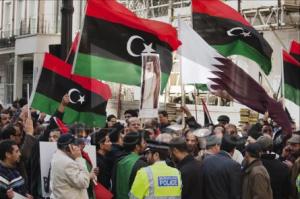
Protesters for Libyan freedom in London

It seems like years ago, but only a few months have gone by. The anti-imperialist world raised their virtual glasses in a united toast to the people’s revolutions. When I say this phrase, it seems I need to define every term, so bear with me. I will try to not take any concepts for granted.

The anti-imperialist world as I have come to know it is generally comprised of generally well-to-do intellectual-type folks who engage more time in discourse and social networking than they actually do in developing strategies or training individuals for a radical change in society where local (indigenous) people are their own leaders and determine for their exclusive benefit the policies and economic organisation of their own territory. They however are generally very passionate about the need to seek justice against tyrants and they believe that the people themselves want the same thing, so they do what they can (far from the places themselves) ninety-nine times out of one hundred by raising awareness through their articles, videos, comments, social network activities and fundraisers for more public events to raise awareness (and this cycle continues until it exhausts itself into the next fashionable group of unfortunate others).

With all that awareness-raising, you would be sure that by now, this formidable band of selfless virtual warriors would have convinced all of the world that there is no way on earth that the will of the people should be trampled on and that sooner rather than later, each people will achieve its own autonomy and self-reliance. These people who have concretely moved towards self-liberation might even be so inclined as to bite the hands that looks like it feeds them, if this has to happen for them to truly be free, but an anti-imperialist should never look at his or her own interests as a member of the empire who enjoys the privileges of that status, and should even tolerate great levels of aggression against the empire he calls home.

That said, when first Tunisia, then Egypt, began staging independent demos to demand change in their government systems, inspired by their sheer numbers, they seemed to be fully successful. There was bloodshed among civilians, but it ended, and this was a revolution that was almost like a dream, almost too easy and certainly so full of promise and hope. It even adopted the name that will remain with it for all time, “Arab Spring”, the long-awaited renewal of Arabhood connected to the idea of development of a new society that was going to put people before anything else. That it gained support at a global level probably was intrinsic to its success.

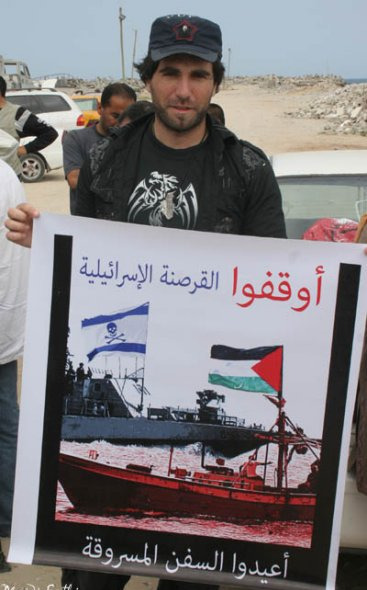
Protesters in Gaza

How did that happen? Well, we all know it was through mass communications, some of it entirely spontaneous between those directly involved, and some of it presented to a wider community to enlist their sympathies and support. It was the fact that the world was watching that perhaps hastened the demise of Ben Ali and Mubarak, and it could also be the fact that a barrier of fear had been broken. Make no mistake, I have been  documenting Egyptian uprisings for at least 3 years, and there are others who like me were not under the impression that Egyptians were passively accepting a lack of political expression and a worsening social crisis. Several of us had commented that it was necessary to break through the impression that Egyptians were incapable of rebellion and to show that there was the emergence of a protest movement that was non-confessional, and was tying together the idea of the rebirth of Arabhood as well as an Egyptian national identity that was as vibrant as the Egyptian people. We could have been some of the few who were not surprised by the revolution, but what did surprise us was the enablement that  this gave to nearby peoples.

Living in the European country closest to Libya and with a colonial past which as recently as 1972 has seen mass expulsions of Libyans of Italian descent, whatever happens in Libya is going to be felt directly. In the past years, hundreds of boats full of refugees have headed toward our shores,  and as has been documented thoroughly, the Libyan regime had utilised the African migrants as a playing card to obtain many things from Italy. The Africans who were brought to Libyan Migrant Detention Centres were actually imprisoned there, and the thought of dying at sea on unsafe and overcrowded ships was a risk almost all of them were desirous to take after months of torment from the military and police branches of the Libyan government. There were truckloads of them driven to the confines of the desert and left there to die, documented by Italian film crews, who were concerned about lives in the face of the “Bilateral Agreements” so that Gaddafi could keep a foothold in Italy’s economy and obtain “aid” worth billions of Euros for infrastructure (some of it I can personally testify was for bunkers), weaponry and telecommunications in exchange for a policy of limiting African immigration from Libyan shores.

Gaddafi’s racism thought it found another foothold in the sensitivities of the Italian government, and his words were carefully used to obtain what he  wanted, a combination of greed and rank racism that I witnessed few anti-imperialists getting upset about.  It deserves being read word by word:

“Europe runs the risk of turning black from illegal immigration, it could turn into Africa. We need support from the European Union to stop this army trying to get across from Libya, which is their entry point. At the moment there is a dangerous level of immigration from Africa into Europe and we don’t know what will happen. What will be the reaction of the white Christian Europeans to this mass of hungry, uneducated Africans? We don’t know if Europe will remain an advanced and cohesive continent or if it will be destroyed by this barbarian invasion. We have to imagine that this could happen but before it does we need to work together.”

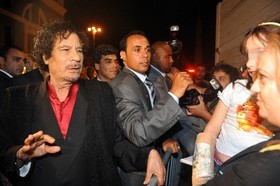
Gaddafi's recent "Rome By Night" outing

Gaddafi would come to Italy, honoured by Silvio Berlusconi and the best that the Italian government had to offer by way of hospitality, in order to seal more deals and to re-establish that these two neighbours had the same interests at heart: especially a thirst for petroleum and a provider who would make sure there would be preferential treatment under certain conditions, including keeping Europe white. Berlusconi was also an honoured guest in Libya, promising billions of Euros for schools, retirement homes, infrastructure and other things. It is curious that those continually claiming Libya was fulfilling all of its people’s needs on its own seem to not question why they would need so very much Italian money to do what they claim has already been done. During these visits, our news shows were almost suffering an embarrassment at how to represent it. The feelings run deep, and we had known of the abuses that were going on in Libya. Many of us know Libyans, some of them in exile, “You mean  you can’t go back? What do you mean you can’t go back?” Others who come on scholarships and seem to never want to talk about politics either. I would joke with two friends (one in each category) and call it the Libyan black hole. However, both would easily admit that Libya could be much more than it is, if only it could have the chance for that.

So, I watched the revolutions with other anti-imperialists, and the Libyan revolution had quite a few of us excited at the first moments because  Libya is not a Middle Eastern country and it also has ambiguous and collaborative relations with the empire, and with my nation in particular. I  was naively convinced that true anti-imperialists would welcome the will of the people as sovereign and that the information constantly withheld from us regarding many human rights violations would cause one of those powerful moments of decision: supporting an action that really was going to mean conflict and risk for my own nation. As February 17th approached, (with its planned march in Benghazi of the family members of the 1,200 political prisoners of Abu Salim who had been executed by Gaddafi ) I noticed that a few would start to say it was not a real revolution because a) it was against a leader who claimed to be anti-imperialist, b) it was a tribal conflict that we should not take part in, as it would lead to division of Libya (as if they actually knew or cared!), c)the protesters had some problems that did not make them revolutionary, with the sub-groups of 1) they are seeking the restoration of the monarchy, 2) they are religious fanatics that will turn back the clock on progressive revolutions and make Libya a theocratic state. I asked them if they had the right to determine when a revolution was valid and when it was not, and I was surprised to hear that they were putting conditions on the support of a people, and didn’t they notice the people were demanding their freedom?

I started to check into all my favourite anti-imperialist sites, most of the relevant articles indicated to me by friends on Facebook, and lo and behold, most of these were articles by Westerners. If I had kept count, and I should have, I would have the evidence in front of me that out of 100 articles perhaps 3 were actually penned by Libyans. I got to wondering what was happening when I had been reading and hearing the reports from Benghazi by Mohamed Nabbous, killed by Gaddafi’s squadrons and in the many comments surrounding these interventions, and noticed the enormous gulf in what the Pundits were saying, and what Libyans were saying. It was as if there were two worlds colliding. All of these people claimed to love freedom and to want to do anything necessary to obtain it, but there was that nasty issue of Gaddafi actually threatening to exterminate those who tried. At this point, one would think that this would be enough for one to firmly side with the Libyan people and wonder what the pundits were going on about.

And, at this time, many things entered the scene, such as NATO, which all of us detest, and transitional governments and Libyan officials abandoning their leader and an upsurge in refugees flooding into Tunisia and war and death in the land that only a few weeks before was the next domino with a tyrant’s face that had to be knocked down.

We read of infiltrations of Al Qaeda, (this was what Gaddafi claimed the Thuwar (“rebels” to those who hate them and “freedom fighters” to those who love them), of deals with Empire, of CIA infiltrates and anything else that you can imagine by way of establishing that those who were commemorating the massacre of their loved ones and who were massacred while doing so were SO BAD and if we supported them, we were dupes. I guess it would take a very self-assured person to still want to see the Thuwar and indeed the people opposing Gaddafi in a decent light.

Already involved in a few discussion groups regarding the events in the region, I was invited by friends to join a few private mostly-Libyan discussion groups. I wanted to observe the discourse, and since my sympathies and antipathies were known to me, but not backed up by enough concrete information, I took it as my “personal fact finding mission” to learn as much as I could about the situation from Libyans. Indeed, the discussions in these groups are lively, and shockingly, almost everyone in the groups (which are by no means small either) has a martyr for the cause and has family living in conditions of siege. It is quite a shocker to log in and see someone receiving condolences for his father, his uncle, her brother, a daily litany of suffering and loss… And even more shocking was the coming into contact with a world I should have been more aware of, that of the acceptance of the will and wisdom of God.

Yes, religion plays a big part in many of these struggles, and while this is not a religious war, (and all Libyans practice the same religion for the most part), the element of faith and perseverance that these people surely learned from over four decades of negation of their political freedom is omnipresent. I would also peek into Pro-Gaddafi boards and oddly, there was a sort of violence and lack of humanity that were not even hidden very well. It became almost apparent to me that there was a lot more to this situation than meets the eye.

I got into discussions with American Communists (self-proclaimed, naturally) and leftists in general and when they started to stress that they didn’t like the religious symbolism that they were seeing (as if their taste was going to matter) I had to ask them why they thought they knew better than the Libyans what was best for Libyans. I was told that the Libyans would put the monarchy in. I stated that the TNC issued a statement and it was supported by those I was discussing things with, that there were to be elections and there was going to be an establishment of democracy. These AC + Leftists told me that the Libyans were dupes for the empire and religious fanatics and that if they were not working for a world revolution but for a repressive and authoritative patriarchal set-up, and thus, as AC + Leftists, the Libyans would not be worthy of obtaining their support. I thought that was some cheek. So what I decided to do was to serve as a filter, I invited Libyans to use my board to engage with these anti-imperialists, and many willingly did so. They presented the Libyan point of view, they were kind, patient and tried to explain what the situation was so that it could be understood.

I admit I was shocked at the violent verbal reactions they got. I admit it was the classic Western Pundit thing of orientalism and ignoring the voice of the common man if that common man was not “politically advanced”. It was the thing I see time and again in Palestine activism: the great Western hero (usually white, male, often Christian or Jewish) determines that he or she knows what is best and becomes the spokesman and mouthpiece for Palestinians. It is denial of Palestinian agency, but it is so common and so normal that we tend to not notice it as the alarming trend it is.
McKinney not looking too objective there.

Working for the Man

So, when Cynthia McKinney stepped onto the scene, it is as if the secret prayers of the Gaddafi supporters who also are against the Libyan people’s revolution (they want to deny it’s what it is, but they are unable to turn off our memory cells that far back) had been answered. Black, female, present in the past in brave gestures for Palestine, outspoken against the robbery of the Democratic vote in the Bush elections, pacifist and they can plug their noses on the fact that she actually might represent empire by being involved in the presidential elections as a candidate and as a Roman Catholic. She does fine to complain against NATO abuses and even their involvement, but to become the mouthpiece of Gaddafi went above and beyond the call of duty, even going so far as to follow the game plan he provided while establishing the proper narrative to put forth. She did this as well on Libyan State TV, yes, the same state TV that has been accused by Libyans as sending out calls for ethnic cleansing of the Amazigh people (a linguistic minority in Libya) and those living in cities where protesting became resistance and then revolution.

And it seems, once again, we have thousands of eyewitnesses who the anti- imperialists, Leftists, American Communists refuse to listen to or when they are given the opportunity censor them or hurl insults their way, but when an American “eyewitness” (who has been shown where the Gaddafi cronies have taken her and nowhere else) speaks, she is the one who must be listened to, because she will not change anything, because she has no loved ones there, so whatever happens is politics, because she will have her hardcore followers and for all the ones she loses, she will pick up more, sensing where the anti-imperialist (banter) winds blow, feeding the fundraising machine for awareness-raising in an endless cycle. Those who actually are Libyans are treated to the usual “shut up” that is reserved for “counter-revolutionaries”. All from the comfort of these Western Anti-Imperialist homes far away from where the blood is being shed.

So what is my final remark to anti-imperialists, that group which I had felt I had proudly belonged to for decades? Quit lecturing with such an attitude of cultural colonialism and start listening to those who are actually the directly interested party. Answer them at least once when they ask  what alternative you would have offered when it was clear that their people were being violently crushed. Realise they are not interested in anything but their own freedom, and that includes freedom from you and your ideology and platitudes that contain nothing concrete for them to use towards obtainment of their freedom. If the anti-imperialists can’t understand that, then Khalas, because shutting up is golden.

Funeral in Gaza City

GAZA, TWO MONTHS AFTER THE ASSASSINATION: Two months with Vittorio Arrigoni

By Michele Giorgio
in Gaza City (from il manifesto, 15 June 2011) www.ilmanifesto.it
translated from Italian by Mary Rizzo

“Children will be playing in these spaces, we have renovated the bathroom and the kitchen will be here,” Saber Zanin moves quickly from one  room to another in the “Forsan al Ghad for Youth Association” of Beit Hanoun.

Just a short time before, he led a demonstration of about thirty Western volunteers from the International Solidarity Movement (ISM) at the margins of the “buffer zone”, the most fertile agricultural lands of Gaza.

It is in those areas where “for security reasons” the Israeli army does not allow Palestinians to gain access, not even those who own property there. It is a measure that is accompanied by the fire of automatic weapons against whoever dares to violate that prohibition that has brought starvation  to hundreds of families who live by means of family farming. “Vittorio struggled with us. We have had so many marches along the buffer zone together, he was a brother to me,” Saber muses, showing us some photos of Vittorio that had been taken in recent months on his laptop. Today in memory of the Italian activist that was kidnapped and killed two months ago in Gaza, the summer camp “Stay Human, Restiamo Umani” will have its inauguration. “We will welcome 60 children and teens between 6 and 16 years of age,” Saber explains, “and in addition to them being able to play and have fun, they will also learn about the political and human story of Vittorio. Not only that, they will learn principles of humanitarian rights, preparing them to follow in the footsteps of our fallen brother.” Sponsoring the summer camp are a dozen or so Italian NGOs that work in the Gaza Strip. Saber has the possibility of making a dream come true. “Vittorio protected Palestinian children, he would be happy that this initiative is being dedicated to him.”

Two months without Vik. On the contrary, two months always with Vik because in Gaza, friends and comrades haven’t forgotten him. His words  are like stones, his image is part of the collective memory. Daniela Riva, a volunteer in the GVC of Bologna spent the last several years in the Strip,  working on development projects. Vittorio was a close friend of hers. “When I used to break down in front of whoever could not understand my involvement with Gaza,” Daniela says, “Vik would repeat to me that I had to answer that being involved in a struggle for justice and freedom means being alive, is there anything worth living or dying for that has more value than that?… when months ago (the shootings from Israeli soldiers) a farmer was killed, one who I’d only met with a few minutes prior, Vittorio told me to try hard to cry no tears at that funeral, but to keep my head held high. One does not cry for martyrs. I did it. I tried to do the same at his funeral too, but the tears fell despite my efforts…”

Memories, intense moments of emotion for a young man whose life was taken at only 36 years of age, who with honesty and constancy, through  the Internet, had for years sent out daily information on Gaza under the Israeli siege.  Not omitting the economic or social aspects of the situation. News that yesterday had once more been confirmed. An UNRWA report records that in the second half of 2010 the unemployment rate of Gaza is at 45.2%, one of the world’s highest. On the other hand, the level of salaries keeps sinking. “This is an alarming trend,” the spokesman of the UNRWA Chris Gunness says. “It is difficult to understand the logic of a policy that was carefully planned (by Israel, author’s note) to deliberately impoverish and that has condemned hundreds of thousands of persons to a life of abject misery. If the purpose of the policy of the closure of Gaza  was to weaken Hamas,” he continues, “these numbers show that they have failed, while at the same time there has been massive success in punishing whoever can be counted among the poorest of the poor in the Middle East.”

Vittorio’s parents, his sister, his friends, everyone who knew him personally or who had met him through Internet, those who had listened  intently while he spoke in tours throughout Italy, all of them are impatiently waiting to know the truth about his assassination. That moment could be near. Authoritative sources of the Ministry of Justice and of the Security Services of the Hamas government – who have asked to remain anonymous – have told il manifesto that the Military Court will issue an official communiqué at the end of June on the course of the investigations and it will bring to trial at least two persons involved in various levels in the kidnapping and assassination of Vittorio. One of these is Mahmoud al Salfiti, the only survivor of the three members of the self-proclaimed Salafite cell (who had left the Tawhid wal Jihad group) responsible for the kidnapping. The other two, the Jordanian Abdel Rahman Breizat and Bilal Omari were killed in the armed clash at Nuseriat with a special forces team of Hamas several days after the having killed the Italian activist.

Sources of the Ministry of Justice have explained that the investigations that had closed in mid-May had been reopened following another two failed kidnap attempts of two young American citizens: a cooperation worker (long-time resident in the Strip) and an activist of the ISM (the latter near the “Gallery”, the coffeehouse that Vittorio frequented along with various local and international activists). The mind behind the kidnapping was the Jordanian Breizat, who had prepared the plan about a month and a half earlier, using the help of various inhabitants of Gaza who were close to Vittorio, most of them unaware of his intentions. At the start, the sources add, the plan didn’t include the killing of the Italian. However, when the kidnappers were aware that they would have been discovered in a matter of hours, they decided to make a run for it and cover their tracks. It was Breizat who had killed Vittorio, because he was convinced that by leaving the kidnapped man alive they would have been discovered immediately (Vik personally knew at least two of the kidnappers, in particular Bilal Omari, who went to the same gym he frequented in Gaza City).

For the confirmation of this information, there is nothing to do but await the start of the trial. In that moment the acts can be consulted and we can finally know the declarations made during the interrogations of the accused parties. In the meantime, mystery reigns over the eight objects  belonging to Vittorio that disappeared after the kidnapping, in particular, his laptop. The Hamas authorities have referred in an earlier moment that they had been recovered and were being held at the central command of the Police. Now, they deny this.

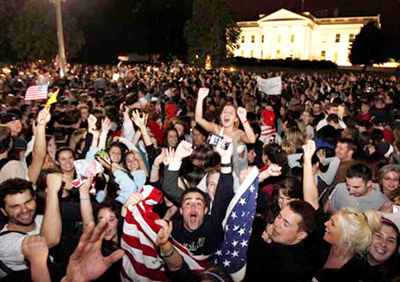
Jubliant Americans

News during the last couple of weeks has rumbled in to shake an already rickety balance of world order. Perhaps one of the most disturbing images accompanying those headlines, though, was not that of more bruised and bulleted bodies. Rather, the image was of what the Associated Press termed a ‘jubilant crowd’. As though they had just won the World Cup Final, Americans waved flags as they sang and chanted their patriotic celebration.

Osama Bin Laden, they had just been told, had been shot dead. After nearly a decade-long manhunt, he had finally been pounced upon in Pakistan. The crowd cheered. And when President Obama made the official announcement, he coaxed the nation to cheer the same; he concluded by quoting the American pledge of allegiance:

‘Let us remember that we can do these things not just because of wealth or power, but because of who we are: one nation, under God, indivisible, with liberty and justice for all’.

‘Indivisible’. In this one word lies the notion that has fed American policy for many, many years: united we stand-divided they fall.

This is the disturbing aspect about the spectacle that accompanied a political assassination. The power that drives the ruin of lives has been reduced to a sports-style competition. The longstanding game strategy has become brazen: (1) unite ourselves to challenge a common enemy-of-the-day, (2) keep all designated enemies splintered with hostilities, and then (3) exploit the resulting instability. A 2005 report called ‘Dividing Our Enemies’, a report produced by the US Special Operations Command, admits frankly: ‘exploiting the rivalries or animosities among the insurgent bands clearly meets our goals’.

By way of example, just last month President Obama gave a speech stressing the importance of strengthening the nation by all working together. Meanwhile, American leaders were bristling at the renewed rumours of an impending reconciliation between the Fatah and Hamas parties of Palestine. They then promptly issued threats to cut off American support to the Palestinians should the Palestinians choose to work together themselves.

Within days, twenty-seven US Senators formerly demanded that President Obama ‘stand by its refusal to work with any Palestinian government that includes Hamas’. The Senators declared:

‘It is imperative for you [President Obama] to make clear to President Abbas that Palestinian Authority participation in a unity government with an unreformed Hamas will jeopardize its relationship with the United States, including its receipt of U.S. aid’.

Why had political support and financial aid been offered in the first place? Clearly not to facilitate a stable government of national unity. Repeatedly over the years, whenever the Palestinians have expressed their own unity, they have been rebuked for seeking their own terms of agreement. Only those Palestinians who were willing to abide by the terms of the Western “Israeli” Alliance were welcome.

This American pattern of provoking and prolonging internal hostilities amongst strategically targeted populations has been played out time and again in the Middle East. With protecting its “Israeli” project in the forefront, successive American governments have spared no effort to tame the Palestinians and Lebanese. Being unprocurable, Lebanon was played. From the 1950’s onward, relentless political manipulation and violent interference ensued.

Just as they had with the Palestinians, American governments offered political support and financial aid to select Lebanese-but only as a means of leverage. In the run-up to the Lebanese national election of 2009, for example, US Vice President Biden warned that his government would assess its willingness to continue aid to Lebanon ‘based on the composition of the new [Lebanese] government and the policies it advocates’. Years of open hostility toward Lebanese parties supportive of the Resistance clarified beyond any doubt what he meant.

Yet again in January 2011, the US cautioned that it ‘would have great concerns about a government within which Hizbullah plays a leading role’ and warned once again it could cut off aid, that tantalising carrot dangled in the faces of those pursued as strategic allies. A game played by house rules. But when the so-called assistance is bartered not for peace and stability, but solely for the political gain of the lender, then the role of the international community has gone terribly wrong.

Eleven years ago this month, the Lebanese thwarted the strategy of the Western “Israeli” Alliance to divide and conquer. The Lebanese Resistance rejected the presence of American-paid mercenaries and liberated its land from military occupation. The Resistance liberated its people from the dictum of imposed division. In so doing, the Resistance confirmed that the right to a durable national unity is not the prerogative of the Western world.

In similar fashion, the various calls for reform we are witnessing today in the Arab world are calls for integrity. They are resistance to a state divided from its people, resistance to a people divided from each other, and resistance to foreign states imposing their own agendas. In particular, the eagerness of the Palestinian and Lebanese peoples to achieve national unity is a key element of this developing global balance. Yet their eagerness has not been cheered; instead, it has been routinely met with stern disapproval from America-the self-proclaimed champion of united patriotism.

The concept of national unity, whether Arab or Western, should guide and grow with its people. It should be built on what is right about its own people-and not on what it perceives to be wrong about another. If we are ever to establish peaceful relations, the role of the international community is to be an honest broker in the pursuit of mutual benefit. When lives are at stake, it is simply not a game.

Brenda Heard is Founder of Friends of Lebanon, London. Details of the Lebanese Resistance & Liberation Day event in London, 25 May, ‘Reform as Resistance: emerging independence within the Arab world’ can be found here.

http://www.english.moqawama.org/essaydetails.php?eid=14083&cid=269


(Italian subtitles by Diego Traversa, French by Mirielle Rumeau)
To reply to the Gaza youth Manifesto, and with no additional words to the ones spoken with true heart on this video, we give you, The Manifesto. A simple, true, self-explanatory, expression of what we’re sick of.

As these days mark the 63rd memory of the Nakba, our people all around the world, revolt, and object to the injustice and hatred we are met with on a day to day basis, just because we’re Palestinians and just because we exist.

I urge your humanity and your conscience, to spread on this video, so the 15th of May 1948, wouldn’t ever be forgot, and so Palestinians would once more have their freedom and rights back; especially the right of return.

Salamat,
Two anonymous from Palestine.

كرد على بيان شباب غزة، وبدون أي كلمات إضافية للكلمات الصادقة من القلب التي قيلت في هذا الفيديو، نقدم نحن لكم “البيان” والذي هو تعبيرنا البسيط والصريح والغاني عن الشرح، الذي يعبر عن كل الأشياء “اللي احنا زهقنا منها”.

في هذه الأيام التي تمثل الذكرى الثالثة والستين للنكبة، شعبنا في مختلف أنحاء العالم ينتفض ويحتج على الظلم والكراهية التي نعامل بها على أساس يومي، فقط “علشان احنا فلسطينية”.

أنا أحث إنسانيتكم وضمائركم لتنشروا بياننا، لكي يبقى 15-5-1948 يوما لا ينسى في تاريخ الشعوب، ولكي يستعيد الفلسطينيون حريتهم وحقوقهم، وخاصة حقهم في العودة.

سلامات،
عشوائيان من فلسطين.

63 ans de Nakba

Par Deux anonymes de Gaza

Pour répondre au Manifeste de la Jeunesse de Gaza, et sans ajouter un mot à ceux qui sont dits du fond du cœur sur cette vidéo, nous vous donnons Le Manifeste. L’expression simple, qui se passe d’explications, de tout ce dont nous avons marre. En ces jours qui marquent le 63ème souvenir de la Nakba, notre peuple, dans le monde entier, se révolte et proteste contre l’injustice et la haine que nous rencontrons chaque jour, simplement parce que nous sommes Palestiniens et simplement parce que nous existons. (cliquer pour la suite du post et la traduction des sous-titres)
Nous en appelons à votre humanité et à votre conscience pour diffuser cette vidéo, pour que le 15 mai 1948 ne soit jamais oublié, et pour que les Palestiniens recouvrent leur liberté et leurs droits, en particulier le droit au retour.

Salamat,
Deux anonymes de Palestine

http://www.ism-france.org/temoignages/63-ans-de-Nakba-article-15565

63 ans de Nakba

J’en ai marre du mur
J’en ai marre des checkpoints entre les villes palestiniennes
J’en ai marre des colons israéliens illégaux et de leurs colonies
J’en ai marre que ma carte d’identité soit en hébreu
J’en ai marre que des gens ne connaissent rien de notre histoire mais qu’ils sachent tout de l’histoire juive
J’en ai marre que des gens ignorent le droit palestinien au retour et accepte le droit au retour des juifs
J’en ai marre de l’Accord d’Oslo que personne ici n’a d’abord voulu
J’en ai marre de l’Autorité palestinienne sans aucune autorité
J’en ai marre de voir mon père être humilié aux checkpoints par des gens de mon âge et plus jeunes
J’en ai marre que mes amis internationaux soient obligés de mentir quand ils viennent me voir, qu’ils soient interrogés, fouillés à corps et quelquefois expulsés
J’en ai marre que des gens ne comprennent pas ce qu’est “l’occupation”
J’en ai marre d’avoir tout le temps peur
J’en ai marre du syndrome de stress post-traumatique, un état normal ici en Palestine
J’en ai marre du Droit humanitaire international qui ne s’applique pas à l’État d’Israël
J’en ai marre de voir que combattre pour les droits humains de base des Palestiniens, ou critiquer la politique israélienne, est si souvent traité d'”antisémitisme”
J’en ai marre que tout le monde oublie que je suis une Sémite
J’en ai marre d’entendre les Israéliens se plaindre de discrimination quand l’État d’Israël a été fondé sur un principe de pureté ethnique
J’en ai marre de vivre à une époque où la discrimination raciale est devenue acceptable
J’en ai marre d’être constamment traité comme un suspect
J’en ai marre de la manière dont les médias nous décrivent, nous et notre situation
J’en ai marre que le monde entier se préoccupe de Gilad Shalit alors qu’il y a plus de 7000 Palestiniens dans les prisons israéliennes
J’en ai marre d’essayer de me défendre, moi-même, mes amis ou mes compatriotes et de me faire traiter de terroriste
J’en ai marre de voir, où je j’aille, le mur, une colonie ou une soldat israélien

J’en ai marre de 63 ans d’occupation israélienne

Traduction : MR pour ISM

A wonderland was a very spellbinding village. The village was considered the relief and the cure of all life’s illness; it was the certain destination for all sick people. Its air and atmosphere were like a spiritual medicine to clear one’s mind and soul. Trees were like trees of heaven, and roses’ smell was filling the place with beauty. The secret behind this charming beauty was the dwellers of this village. They were a symbol of one united family. Their aim in life was to save their village from any storm whether it was a natural storm or a storm brought by tourists. They stood together through sorrow and joy.

The villagers used to sacrifice their souls to keep their holy land safe and free. They fought bravely against any attempt to invade their land and steal their priceless heritage. They worked hard to build a very remarkable civilization within a very small area. Great mosques were well built, great schools were constructed and even small libraries but rich with valuable books were established. Besides their many cultural contributions to the field of art, literature, music and cuisine, they were famous for many industries and trade. People around the world sought this village to learn about their magnificent culture. A very fascinating nation, that what was always said about this village.

Though their culture was great, they did not have a great army or powerful weapons. They defended their country by a very simple and traditional means. Many nations had avarices to take over the village’s wealth. They tried to control it by force but they could not. One day they had come to a very malicious idea to put their hands on the village and its people. They had decided to invade the villagers’ minds first, and then the village would be under their control.

One early morning, a tourist came to visit the village but he was not an ordinary tourist. He came with a destructive storm kept in his bags and a demon accompanying his shadow. He stayed at the village’s hotel. The hotel used to host many sessions to educate the villagers. This was a good chance for the demon to brainwash the villagers’ minds. The new demon went up to his room and unpacked his bags. He waited in his room until it was dinnertime. The villagers used to gather everyday in the hotel. He went to hotel’s small restaurant and sat there; he contemplated the villagers’ faces very carefully. It was a normal thing for a stranger to make friendship with the dwellers of the village. After a while, he tried to mingle by admiring their beautiful village. At the same time, the villagers liked to hear about other cultures, so they began to ask him about his country, his life and his culture. The stranger was so kind that he succeeded in winning the people’s hearts. This was a successful move. He paid so much attention to them in order to understand their mentality. People in the village longed for the new technologies of other cultures, and hearing him talking about how great they were, they became more interested in it. He became the advisor for all the people in the village; he gave advice of how to develop their schools, industry, and agriculture system. He was so helpful, and the villagers considered him as a member of the family.

The demon was very satisfied that his plan was going in the right direction. Now that he gained the people’s trust, he began to sprinkle evil thoughts in the villagers’ minds. He took advantage of the idea that people would like to have those new technologies in the village. He convinced them that this could not happen without having foreign companies established in the village. Once again, the villagers believed him. They agreed to host those companies in their land. It was the first step of controlling the village. Companies were established by buying great land survey. They lost a part of their land, but they still have their unity, they thought. The demon played another trick to scatter the family. He told them that they would be more organized if they had a more organized leadership system. The villagers kept thinking about the new leader and whom to choose. Everyone thought that he would be the best one to rule the village. When they gathered again to discuss this issue, they had a very serious debate for the first time. The stranger interfered and suggested a very deadly solution. He said that he could lead this village. Silence broke the room. Everyone thought that this was a good idea since no one was willing to let the other rule the village. Hatred began to be planted in the people’s heart. The demon was appointed as the leader of the village. The villagers lost their land, their unity and their control over the village.

No sooner, the villagers were only slaves in their own land serving the outsiders. Their culture was defaced, and their identity was stolen. The nature lost its beauty, because no one cared about it anymore. It was too late when they woke up from their coma. They regretted their sin but they were powerless to gain their land again. No one could remember the village’s name, because a new name was given to it. However, the new generation of this village is trying hard to gain back their land and to expiate their ancestry’s sin. To have a free country all of us must have a free mind and soul. May God bring back what once was lost and stolen.

Posted: April 15, 2011 by Politirature

I have created a Candlelight Vigil event on Facebook  for Vittorio Arrigoni who got killed yesterday by a group of extremists who wanted to settle accounts with Hamas. Vittorio’s murder is a great loss, humanity lost a lot, Gaza & Palestine lost a lot and of course us, pro-Palestine activists lost a lot.

Day: Next Tuesday, April 19th, 2011

Location: In front of the Italian embassy. Shara Abdel Rahman Fahmi, 15 Garden City, Cairo, Egypt.

Time: from 7:30 to 8:30 pm CLT

Why did I create this event ?

-Because Vittorio is one of us ! he was a friend of many of us.

-Because Vittorio is a brave independent man who dedicated his life for truth, Palestine and peace.

-Because Vittorio risked everything to expose Zionism and share the truth.

-Because we have to tell the world that those who killed Vittorio are NOT Muslims.

-Because it’s the least we can do for such a great pure soul.

PLEASE attend the event and share the link everywhere  (Facebook, Twitter, Blogs) even if you’re not in Egypt.

http://www.facebook.com/event.php?eid=142924945778327&notif_t=event_wall#wall_posts

And I really hope that all of you create similar events in your cities and countries


Écrit par Pasquale Navarra pour Forum Palestina (traduit en français par Wassyla-Heyett). 

Les causes et la dynamique de l’enlèvement et l’assassinat de Vittorio Arrigoni, activiste et correspondant du Mouvement international de solidarité avec la Palestine dans la bande de Gaza, sont pour le moment en cours de reconstitution. Certaines informations et  évaluations peuvent néanmoins être données, même maintenant.

Vittorio était sur le point de retourner en Italie pour collaborer avec la mission de la flottille de la liberté qui avait décidé de briser en mai le blocus contre les Palestiniens de Gaza, que Vittorio avait systématiquement dénoncé en fournissant une documentation depuis des années.

Vittorio a été découvert déjà mort quand la police palestinienne, aidé par la population locale, a été en mesure de trouver l’endroit où il avait été retenu en otage. L’ultimatum 30 heures n’a été rien de plus qu’un prétexte. Les ravisseurs étaient très jeunes, y compris au moins l’un d’entre eux qui était un citoyen jordanien (et non palestinien). 

Le groupe qui a enlevé et tué Vittorio appartient à cette pléiade de groupes islamistes salafistes, très différents de l’actuel Islam politique que le mouvement Hamas, qui gouverne la bande de Gaza, a comme référence. Ces groupes sont beaucoup plus actifs contre les autres courants islamiques corrompus et les régimes arabes – accusés d’apostasie – qu’ils ne sont opposés à l’occupation israélienne de la Palestine ou de la présence des États-Unis au Moyen-Orient. 

Certains de ces groupes appartiennent au réseau de l’Islam politique qui a comme référence l’Arabie saoudite, est financé et armé par elle. Certains de ces groupes ont déjà provoqué des affrontements et des problèmes très graves dans les camps de réfugiés palestiniens au Liban. 

En ces semaines où les alliances au Moyen-Orient sont brusquement bousculées par les révoltes des peuples et les tensions qui sont présentes dans toute la région, la monarchie saoudienne a établi une alliance avec Israël pour marquer l’ennemi commun représenté par l’Iran et son influence dans la région du Golfe et du Moyen-Orient. Cette alliance a été renforcée par un récent sommet à Moscou auquel participaient à la fois Netanyahu et les dirigeants des services services saoudiens. 

Ces dernières semaines, les autorités israéliennes ont lancé une campagne d’intimidation contre les militants et les campagnes internationales de solidarité avec la Palestine, en particulier contre la flottille de la liberté qui appareillera en mai pour se diriger vers la bande de Gaza, et contre le mouvement de boycott, de désinvestissement et de sanctions contre Israël. Les autorités israéliennes ont demandé aux gouvernements des pays qui ont des navires en partance de leurs côtes ou dans lesquels les campagnes BDS sont importantes, d’intervenir contre les activistes. Le Premier ministre italien Silvio Berlusconi a déjà accepté la demande du gouvernement israélien. Les services secrets israéliens ont été activés pour utiliser tous les moyens nécessaires afin de maintenir les militants internationaux loin de Gaza et de Palestine.

Nous n’avons pas tous les éléments de preuve, mais nous considérons que l’enlèvement et l’assassinat de Vittorio correspond peut-être au sale boulot effectué par les groupes islamistes liés au réseau d’Arabie Saoudite aujourd’hui alliée avec Israël. Le message aux militants internationaux est fort, claire et déconcertant: “Tenez vous loin de Gaza, tenez vous loin de  Palestine”, “Aucune internationalisation de la question palestinienne ne sera tolérée par les autorités de Tel-Aviv et ses alliés”. 

Nous tenons à adresser un message fort et clair à tous ceux qui en Israël ou dans le monde arabe, en Europe ou aux États-Unis entendent ​​resserrer l’étau de l’isolement et de la liquidation autour du droit à l’autodétermination des Palestiniens. Nous le devons à cette population qui se bat pour sa liberté depuis plus de soixante ans et maintenant nous le devons aussi à Vittorio. 

Forum Palestina 

Carlos Latuff's homage to Vittorio Arrigoni

Written by Pasquale Navarra for Forum Palestina (translated by Mary Rizzo)

The causes and the dynamics of the kidnapping and assassination of Vittorio Arrigoni, activist and correspondent of the International Solidarity Movement with Palestine in Gaza, are at the moment being reconstructed. Some information and evaluations can nevertheless be given even now.

Vittorio was about to return to Italy so that he could collaborate with the Freedom Flotilla mission which in May was planning on breaking the siege against the Palestinians of Gaza, a siege that Vittorio had systematically denounced and for years had been documenting.

Vittorio was found already dead when the Palestinian police, helped by the local population, was able to find the place where he had been held hostage. The 30 hour ultimatum was nothing more than a pretext. The kidnappers were very young, including at least one who was a Jordanian citizen (and not Palestinian).

The group that had kidnapped and killed Vittorio belongs to that galaxy of Salafi Islamic groups, very different from the current of Political Islam that the Hamas movement, which governs the Gaza Strip, has as its point of reference. These groups are much more active against the other corrupt Islamic currents and the Arab regimes – accused of apostasy – than they are against the Israeli occupation of Palestine or the USA presence in the Middle East.

Some of these groups belong to the network of Political Islam that has as its reference, is financed and armed by Saudi Arabia. Some of these groups have already provoked clashes and very serious problems in the Palestinian refugee camps of Lebanon.

In these weeks in which the alliances of the Middle East are brusquely shuffled around by the people’s revolts and the tensions that are present in the entire region, the Saudi monarchy has established an alliance with Israel to mark the common enemy represented by Iran and its influence in the Gulf region and the Middle East. This alliance has been strengthened by a recent summit in Moscow in which present were both Netanyahu and the Saudi secret services leaders.

In these weeks the Israel authorities have initiated an intimidation campaign against the activists and the international solidarity campaigns with Palestine, in particular against the Freedom Flotilla which will leave in May, headed towards Gaza and the boycott, divestment and sanctions campaign against Israel. The Israeli authorities have asked the governments of the countries which will have ships leaving from their shores or in which the BDS campaigns are strong to intervene against the activists. The Italian Prime Minister Berlusconi has already accepted the request from the Israeli government. The Israeli secret services have been activated to use any means necessary to keep the international activists far from Gaza and from Palestine.

We do not have all the evidence, but we consider that the kidnapping and assassination of Vittorio possibly fits into the dirty work carried out by the Islamic groups tied to the Saudi Arabian network that today is allied with Israel. The message to the international activists is loud, clear and disconcerting: “Stay far away from Gaza, stay far away from Palestine”, “No internationalisation on the Palestinian question will be tolerated by the authorities of Tel Aviv and its allies”.

We would like to send a loud and clear message to all those who in Israel or in the Arab world, in Europe or the United States intend upon tightening the noose of isolation and liquidation around the right of self-determination of the Palestinians. We owe it to this population that has been fighting for its freedom for over sixty years and now we also owe it to Vittorio.

Il Forum Palestina

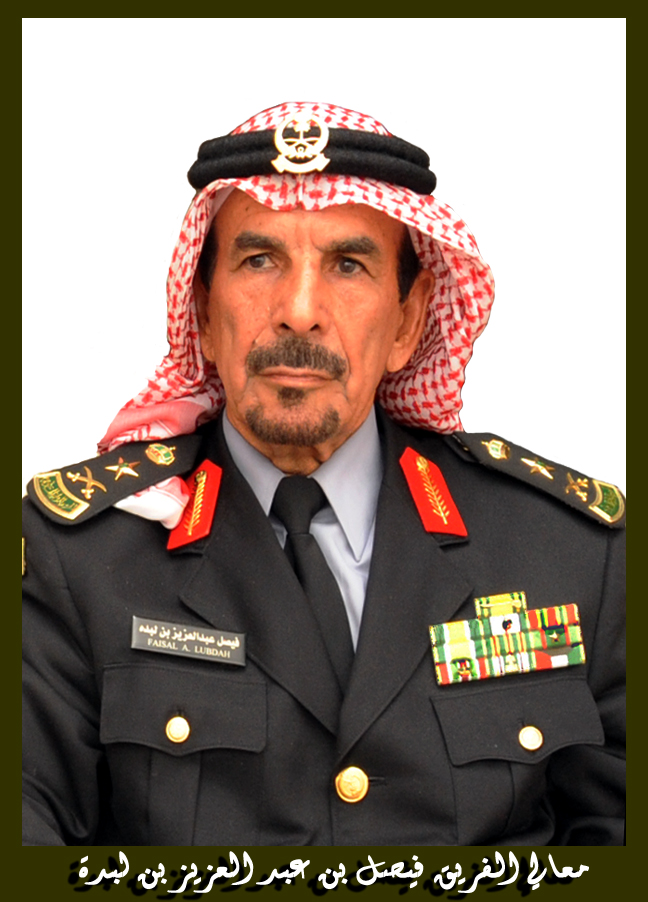
Faisal Bin Abdul Aziz Bin Libdeh AlKahtani

Faisal Bin Abdul Aziz Bin Libdeh AlKahtani

This individual is the present Saudi Force’s leader in Bahrain.

He is responsible for the killing of  the peaceful demonstraters and the violation of Geneva convention by insulting doctors and nurses along with hospitals’s patients and Occupation of hospitals.

We are looking for International Human Rights Lawyers wherever they are available. Contact the site if you are able to help and we will put you in connection with the individual who has asked us to spread this photo.

Goodbye, Vik

Written by Luca Galassi for PeaceReporter. Translated by Mary Rizzo

Vittorio Arrigoni was strangled by his kidnappers during a blitz by the armed faction of Hamas in the flat where he was held hostage in Gaza City.

Vittorio Arrigoni is dead. His body was found during the night at approximately 1:50 in a flat in the Gaza Strip, in the Qaram quarter, in the outskirts of Gaza City. The news was first disseminated by the Hamas sources and then confirmed to PeaceReporter by an activist of the International Solidarity Movement. Hamas, the Islamic movement that controls the territory of the Strip was unable to mediate to bring about his liberation. Or perhaps they did not even try. According to what has been reported by the movement’s spokesman, following indications of one of the members of the ultra-radical group (as in original Italian) interrogated in the early afternoon, the security forces surrounded the area in which Vittorio was being held captive, giving way to a blitz that turned into an armed clash, the result of which was the injuring of some Salafi militants, two of them arrested, while the others are still being sought.

It is unclear how and when Vittorio was assassinated, even if the Hamas spokesman, Yiab Hussein, declared in a press conference held shortly after 3 AM that Arrigoni had been killed approximately three hours prior to the blitz, without however explaining how it was possible to establish the details of the death with such exactness. An ISM volunteer arrived at the place he was found and recognised the body at 3:10. “He had his hands tied behind his back, he was lying on a mattress.” The woman told PeaceReporter that Hamas security organs also told her and the other members of the ISM who went to the flat where Vittorio is said to have been killed that he had died several hours before their arrival. The pacifist has been strangled, even if, from the account given to PeaceReporter by the volunteer, there were various kinds of injuries behind his neck. “He still had the blindfolding over his eyes, and he lost blood from behind his head. There were marks from handcuffs around his wrists.”

The evening before the kidnapping, Arrigoni went to the gym. Then he had made a call to book a table at the restaurant where he often had dinner. He said he would be there around 22:00. At 22:30, not seeing him arrive, the restaurant rang him. But Vittorio did not answer. No one was worried, because often he would turn off his mobile phone. After dinner he was expected to meet with a friend and the next morning would have gone to Rafah to visit with some Palestinian families together with his colleagues of the ISM, who had also tried to contact him after the gym, but in vain. Vittorio was kidnapped as soon as he left the gym.

His body was transferred during the night to Shifa Hospital of Gaza, where a post-mortem examination was carried out and his death certificate was drafted. The Italian pacifist was kidnapped yesterday by a Salafi Islamic group that, in a film on YouTube, threatened to kill him if within 30 hours, starting from 11:00 local time, the Hamas government did not liberate some Salafi detainees. Vittorio was killed without even half the time that the kidnappers stated as the limit having passed, much earlier than the moment they announced in their ultimatum. He was killed without even an indication that a negotiation was started for his release. Unfortunately, there are many questions which are not easy to find answers to. With his death, the world loses one of the most fervent supporters of the Palestinian cause. A war journalist. And a friend. Goodbye, Vik.

http://it.peacereporter.net/articolo/27991/Lo+hanno+ucciso.+Addio,+Vik