Archive for the ‘Middle East’ Category

Editorial staff of ilmediterraneo  Translated by Mary Rizzo

ROME – The Syrian regime has no intention of enacting the United Nations and Arab League plan. It is instead adopting a strategy of “buying time”. Having been advised by its inner circle, the regime is clearly betting on the future potential modifications that in the end will influence the structure of the events. It goes without saying, the regime has approved the mission of the United Nations due to pressure exerted by the international community. As it stands, the time margin of three months set out by the mission is considered as being opportune to allow the international community to accept the imminent modifications as facts on the ground (while both the French and American administrations are currently preoccupied with their own elections).

At the same time, the local scene within Syria is in a restructuring phase with constant killings, arrests of revolutionary activists and the continual displacement of the civilian population, especially in Homs. A clear signal of the success of the dismantling of the uprising as carried out by the government.

Based on the following facts, it seems like the regime has approved the United Nations mission on the basis of the evaluation of the Russian position on Syria, especially after the constitution of the “Friends of Syria” that has proposed a “group to monitor the follow-up on the crisis”.

THE RUSSIAN STRATEGY FOR SYRIA

It is clear that the Russian strategy has the purpose of softening the position of the international community, limiting it to concentration exclusively on the urgent humanitarian crisis in Syria and shifting the attention away from the strategic plan. Moreover, Moscow is attempting to drag the world in a controversial discussion regarding the presence of organised terrorism in Syria lead by “armed gangs”.

With the Russian strategy and the dilated time frame of the Annan “peace plan” the Syrian regime could try to stop the uprising with more solid arrests and more killings. It is furthermore trying to limit the defections within the armed forces, which are very dangerous for a regime that no longer can predict the defections and the possible consequences. Based on the above elements, it is correct to say that the regime is not willing to enact the Kofi Annan initiative regarding a pacific transfer of power. The Syrian government knows that the international community is considering a similar solution in Yemen, while the Syrian protesters are determined to continue in their struggle without compromising.

It is indeed impossible for the Syrian population, after the massacres and the destruction of the cities, to accept any agreement or conciliation. The choices of the regime are thus narrowing. It has to drastically silence the revolution and it needs to find the way to rebuild the regime in the international and regional scene, or it will push the country towards a civil war where the author remains unpunished, leaving all the parties to bear responsibility.

Original http://www.ilmediterraneo.it/it/cronaca/7803

BFF

Did you doubt that there is actually a handy DIY for all the tyrants, with a few variations? This useful manual has been circulating, and some additions have been made to bring it up to date for the President  Duck Supreme of Syria, Bashar al-Assad.

Rami Kamal – Arab Tyrant Manual
-I remember the time Mugabe cracked down on protests against Gadaffi.

-Chapter One: The Tyrant is always right. Chapter Two: If He is wrong, refer to Chapter One.

-Blame your wife’s excessive shopping for the country’s political turmoil.

-When accused of atrocities, dig up instances of other countries doing the same. If others do it, it means it’s OK.

-Be sure you have a tyrant-friendly country backing you up. Bonus points if it has veto power in the UNSC.

-When in doubt, refer to the Arab Tyrant Manual.

-Blame it on a conspiracy. Our country is so awesome that everyone is trying to bring us down.

-Blame feminism for the increased presence of women in protests, and moral decay during protests.

-Tell everyone you’re the only Arab leader who supports Palestine and that Palestinians would be screwed without you.

-If world opinion is against you, state that #CNN and soccer teams are part of evil Islamist-Zionist conspiracy.

-Got grey hair? Dye your hair & moustache/beard black, it’ll make countrymen forget you are almost 100 years old!

-Hang on to power tooth & nail. If anyone comes along to challenge your legitimacy, accuse him of seeking power.

-As your regime crumbles while you massacre entire communities, do some quick online shopping. iTunes is always good.

-If any images or videos leak showing civilian casualties, call it propaganda from the opposition.

-Certainly, offer to step down if the majority of your people so desire. Then make sure they are dead.

-Kill a mother’s children then have your wife come on State TV appealing to mothers of killed children.

-Accuse media of using fake footage to fabricate, then be caught using fake footage to prove armed terrorists in your country.

-When things get really bad, address the nation in front of your Cabinet. Make sure they clap after every 3 words.

-Your favorite words are “reform” and “conspiracy”.

– You can always find a Lebanese politician supporting you.

-When sh*t hits the fan, you can always blame Barcelona FC and Messi for it.

-Tip 2: Lead your people as if they were sheep

– Claim refugees who are fleeing your violence are just visiting their families/are tourists in neighbouring countries.

-Look, if necessary you can always call on foreign governments to assist you while decrying foreign intervention.

-Some people call it mass murder. We just call it efficiency.

-Forge relations with the great republic of Venezuela & the free democratic Russia, they’ll come in handy in time of need.

-Cry during a press conference about mom’s kids who were martyred but continue to allow other moms’ children to be killed.

-Run your country like you run your mob.

Rami Kamal – Il Manuale del Tiranno Arabo

(tradotto da Mary Rizzo)

Mi ricordo quando Mugabe ha fatto la repressione delle manifestazioni contro Gheddafi.

Primo Capitolo: Il Tiranno Ha Sempre Ragione.

Secondo Capitolo: Se Non Ha Ragione, Vedi il Primo Capitolo.

– Dare la colpa del disordine nel Paese allo shopping eccessivo della tua consorte.

– Quando accusato di atrocità, trovo esempi di altri Paese che fanno la stessa cosa. Se gli altri lo fanno, non hai nulla cui preoccuparti.

– Assicurati che hai un Paese che piace avere i tiranni per amici. Punti extra se ha il potere del Veto nel Consiglio di Sicurezza del ONU.

– Quando ci sono dubbi, vedi il Manuale del Tiranno Arabo.

– Dare la colpa ad un complotto. Il nostro Paese è talmente stupendo che tutti, ma proprio tutti, hanno l’interesse di farci fallire.

– Dare la colpa al femminismo per la presenza massiccia delle donne nelle manifestazioni, che conduce al degrado morale durante le stesse.

-Die a tutti che sei l’unico leader arabo che sostiene la Palestine e che senza di te, i palestinesi saranno nella m……

– Se l’opinione mondiale è contro di te, devi dire che CNN e squadre di calcio fanno parte di un malvagio complotto islamista-sionista.

– Hai i capelli grigi? Allora, tingi i capelli ed i baffi/barba neri. Questo servirebbe a fare i tuoi soggetti dimenticare che hai quasi 100 anni e sei in potere da sempre.

– Aggrappati al potere fino al ultimo respiro. Se qualcuno arriva a dubitare della tua legittimità, devi accusarlo di cercare solo il potere.

– Mentre sbricciola il tuo regime sotto il massacro che stai facendo di interi comunità, fai un po’ di shopping online. iTunes fa proprio per te!

– Se dovesse filtrare accidentalmente video che mostrano morti civili, devi chiamarlo propaganda dall’opposizione.

– Certamente, dichiarati pronto a lasciare il potere se la maggioranza del tuo popolo lo vuole. Poi assicurati che sono morti.

– Uccidi i bambini di una madre, poi fare che la tua moglie va nella TV di Stato con un appello alle madri di bambini uccisi.

– Accusare i media di usare filmati falsi per fabbricare evidenza, poi tu stessi usi filmati falsi (non importa se si sono dimostrati falsi) per dimostrare che i guai sono causati da terroristi armati nel tuo Paese.

– Quando le cose si mettono male, parla alla nazione davanti al tuo Gabinetto. Assicurati che ti applaudono dopo ogni tre parole.

– Le tue parole preferite sono “riforma” e “complotto”.

– Puoi sempre trovare un politico libano per sostenerti.

– Quando le cose si mettono VERAMENTE male, dare sempre la colpa a Barcelona FC e Messi.

– Un consiglio: guidare il popolo come se fossero le pecore.

– Devi dichiarare che i rifugiati che scappano dalla violenza sono soltanto in visita alle loro famiglie/sono turisti in Paesi confinanti.

– Dai! Se è necessario, puoi sempre chiedere che governi stranieri ti assistono nello stesso momento che tu denuncia l’intervento straniero.

– Alcuni possono chiamare quello che fai “massacre”. Noi usiamo il termine “efficienza”.

– Consolidare il rapporto con il grande repubblica di Venezuela e la libera e democratica Russia, saranno di grande aiuto nei momenti di bisogno.

– Piangi durante una conferenza stampa quando parli di bambini e di madri che sono stati uccisi, ma lascia che i bambini di altre madri continuino ad essere uccisi

– Guida il tuo Paese come guidi la tua mafia.

by Julie McLaughlin

WRITTEN BY SAAD KIWAN in Beirut, translated by Mary Rizzo

The Syrians have been living for over forty years under a dictatorship of a single part and of the absolute power of a military figure, Hafez Assad, who in 1971 organised a coup d’état, against his comrades of the “Baath” political party (national-social-chauvinist) already in power since 1963 following the first coup d’ètat by the same Baath officers, overthrowing the last civil government of coalition in Syria. Assad the father had governed for the first half of his reign arm in arm with his brother Refa’at (himself a soldier, exiled then in ’84 for having tried to overthrow Hafez), arresting the “Baathist” (civil) troika in power: the leader of the party, the president of the republic and the Prime Minister, all of them having died in prison. Assad has governed practically alone, putting in act the “perfect regime” of a police state, basing it on services, eliminating political life, outlawing parties (from the Communists to the Nasserians, from the Socialists to the Liberals and even the Baathists) and eliminating the Parliament, substituting the elections with plebiscites for the sole candidate-leader. For 30 years (1971-2000) he filled the Syrian prisons with persons who opposed him, militants and activists for thought crimes, practicing every kind of torture and brutality, with the disappearance of hundreds of prisoners, Syrians and Arabs. The Syrian dictator put a gag order on the stamp and the means of information, he forbid any type of labour association or activity of a cultural or social nature. With the famous Article 8 of the Constitution that sentences: “Baath is the party that leads the state and the society”!

The first horrible crime that the Baathist dictator carried out was the aerial bombing of the city of Hama in 1982, with the massacre of over 20 thousand people, in order to silence the Muslim Brotherhood. A massacre that had passed in complete silence in the West, but also in the East, for the absolute lack of “witnesses”, that is, of the traditional means of information of the time. Also because Assad was considered as a “secular” (but an Alawite) who opposed the fanatical and reactionary Muslims, it was of little matter that he massacred entire families. And it didn’t change things that the Syrian president, after that “secular” massacre introduces in the constitution that “Islam is the religion of the Syrian president”, which has been repeated in these days by his son Bashar (a secular as well!) with his “new constitution”, going so far as to add to that article that Islam is “the principle source of legislation”.

In 1976 Hafez Assad also sent his troops (30 thousand soldiers) in Lebanon “to bring peace” between the Lebanese, with the benediction of the United States and Israel. Result? Assad’s soldiers remained 30 years in Lebanon, bringing with them the occupation militia, destroying the state and its institutions, inventing a servile political class that did not respect any rule or civil or ethical code of conduct. Moreover, the men of the Assad apparatus and its officials sacked the economic-commercial wealth of the country. The sacking was part of the “divide and conquer” strategy, pitting forces and parties against one another, and doing the same thing for communities.

Regarding Palestine, the former Syrian dictator called himself “defender of the cause of the Palestinian Arab People” using every means possible and imaginable to tame the PLO and its policies, and to put the Palestinian leader Yasser Arafat under the tutelage of the Syrian regime. For Assad, Lebanon and Palestine were “cards” to play and use in any way he wished. He did such things in the regional sphere to heat up the situation and raise the “price” of his dealings with Americans or Israelis, since the start of the 1970s. Successively, Iraq became another “card” that his heir Bashar used to deal with the USA, or to blackmail them, sending “volunteers” of fundamentalist and “Jihadist” groups there to carry out acts or terrorism or to give refuge to elements of Al-Qaeda.

In the third decade of his reign (1990-2000), Hafez Assad started to prepare his oldest son Bassel for his inheritance, passing from a despotic regime to a despotic-nepotistic regime. In 1994, the heir however died in a “road accident” that was later attributed to internal feuds within the Assad family itself. So, placed on the throne of leadership was the young ophthalmologist, “elected” with a plebiscite in 2000 upon the death of his father. There were many in Syria and in the Arab world who had hoped that the young president would be at the head of a new season of reform of the regime. The so-called “Damascus Spring” – which lasted a little over a year – turned out to be just a front. The son revealed himself to be even more merciless than the father. The campaign of arrests and ironclad repression by the regime, already since 2002, surprised everyone at some level. The prisons were filled with human rights activists and activists for freedom of speech, and they were left to rot in prison for years, without any trials.

Their doyen, the lawyer Haytham al-Maleh, today a leading figure in the opposition, was released at the start of the revolt, in March 2011, having celebrated his 80th birthday in prison, arrested several times, and never once put on trial. Among the regime prisons, the one of Mazze, in the capital city Damascus, stands out. Here Palestinian and Lebanese prisoners are detained and tortured, and they are then made to “disappear” (Lebanon still awaits to know the destiny of hundreds of Lebanese abducted by the Syrian troops in Lebanon), and that of Saidnaya, reserved for anyone opposing the regime and Syrian activists, where one of the massacres committed against the prisoners was carried out even by Maher, Bashar’s brother.

Intellectuals, writers and artists have been almost all exiled in Europe and in some Arab countries. We can’t even speak of journalists, because there are no independent or private newspapers and agencies in Syria, only the papers of the regime where the photo of the president-dictator dominates the layout. It is no different with the State TV, which opens the news with the sayings of the president-dictator. A high school student of 19 years, Tol al-Mallouhi was arrested in 2010 and sentenced to 5 years in prison for having expressed his thoughts in his blog regarding the Palestinian cause. The accusation? “Conspiracy against the regime” and “contacts with the American enemy”!

Today, Syria is governed by no less than 17 secret services agencies, under the command of the close circle of the Assad family: Bashar, his brother Maher, his mother and his brother-in-law. Then there are the Makhloufche cousins who hold the purse strings. In this “reign of terror”, the revolt erupted, which rapidly had transformed itself into a mass general uprising.

Thus was born the opposition with “three heads” inside and outside Syria: the Local Coordination Committees, the Coordination for Democratic Change and the Syrian National Council.

1 – The Local Committees are the true leaders of the revolts, rapidly organised throughout the entire territory by young volunteers who do not belong to any party; they are those of the new generation, born under the reign of the Assads and they have only known the workings and the practices of the Baath regime, but they also know the entire repertoire of the new technologies, despite the attempts of the regime to delay their access to them also by controlling their dissemination in the country, or lack thereof. These Committees are born and organised by means of Internet (Facebook, Twitter and YouTube), and they organise the protests throughout the country. In this way the revolt extended in the early months very rapidly, being able to escape from every attempt to control them or from direct intervention by the Special Forces of Bashar. But the most important and meaningful aspect is that all the young activists of the committees that lead the revolt operate clandestinely.  Those who go public are the spokespersons of the committees, who keep contact with the mass media, in that at the start of the revolt they found refuge in Beirut, Istanbul and then Cairo for logistic reasons and for coordination between the committees and the world outside Syria. And for greater safety, the committees have also created “shadow-committees”, which will substitute the “legitimate” ones in case these are discovered or arrested.

2 – The Coordination for Democratic Change. The outbreak of the revolt had practically taken also the old generation of militant politicians, writers and artists by surprise, included with them writers and artists, communists and nationalists, who already from the early 1970s fought against the Baath regime. Most of these had thus created the “Coordination for Democratic Change”, with its spokesman being Hassan Abdel-Azim, and it gathers together also parts of old political formations from ex-communists and ex-national socialists and Nasserians, as well as independent personalities such as Michel Kilo and Fayez Sara. The Coordination is a group that was born substantially within Syria, but it obviously has some of its figures abroad. It calls for the overthrow of the regime, but it also opposes any foreign intervention, the regime has winked at it, trying to get it involved in a fake dialogue that it from time to time invents, an in which some of the personalities of the Coordination have participated. The other day they refused to participate in the “meeting of the Friends of Syria” held in Tunisia to protest against the attempt to declare the National Council as the sole legitimate representative of the Syrian people.

3 – The National Council, led today by the professor of the Sorbonne Burhan Ghouliun, was instead formed abroad, in Istanbul, and it includes the majority of the foreign and internal opposition, having some renowned members such as the eighty-year-old lawyer Haytham Al-Maleh, politicians and intellectuals. The many young people who are part of the National Council in the role of representatives of the local committees guarantee the connection within Syria and make the Council the most popular among the populations of the cities in revolt. The Council also is comprised of a large number from the “Muslim Brotherhood”, backed by Erdogan’s Turkey. And it also enjoys the support of the vast majority of the Arab nations, from France and from quite a few Europeans. They insist upon “a humanitarian intervention to protect civilians” who are not victims of Bashar’s war machine which is killing them on an average of 100 persons per day.

4 – Then, there is the Free Syrian Army, formed by soldiers who had deserted the regime’s army and that despite the scarcity of arms it has available, it has been able to stand up to Bashar’s brigades, freeing some cities and guaranteeing protection to the population. And it seems that all the parts of the opposition are in agreement to support it and to consider it as the armed faction of the opposition.

The Local Committees are the true militants who move on the terrain among the people, and they are thus the structure that supports the uprising. They are for this reason not inclined to compromises, and thus they seem to guarantee solidity and continuity of the uprising despite the attempts of the regime to suffocate it and despite the failure of the Arab League to impose that the “little dictator” leaves or at least forcing him to step down. It is however obvious that with the passing of time and with the escalation of ferocity of the Assad gangs against a population that continues to peacefully protest, the danger of a militarisation of the revolt becomes greater. But it is the regime itself that pushes in the direction of a civil war that would justify a civil war and its war of extermination. It is also true that the most radical wing and those most willing to have a military response could predominate. Yet, it is likewise true that the population has reached almost a year of pacific revolts, and it is legitimate to then ask why they should be expected to resist and die? And for what reason or ideal should they have to expose themselves to the bombardments of cannons of the armoured tanks and aviation of Bashar’s regime, allowing men, when, the elderly and even children (as many as 500) to be killed?? (translator’s note: these statistics have now been overcome; children comprise around 850 of the victims to this date).

Lastly, two strong considerations: I believe that the primary and fundamental objective is that of dismantling a regime that is so totalitarian and repressive, merciless, cynical and inhuman, and to put Bashar and his close circle on trial. And regarding this point, there is no excuse in the world or justification. The “clean” and “pure” revolutionary ideals that know how to predict everything do not exist and they never have existed. But whoever it is that leads Syria after Assad could never be worse than him, his father and the Baath regime, which in addition to the Assad’s contributed to the museum of horrors also the Saddam Hussein regime in Iraq.

One cannot therefore expect that an almost clandestine opposition that has been repressed for over 40 years, which has never been able to operate in a climate of freedom, to be democratic and guarantee rights, or to not be subject to foreign pressure or influence. Yet, an opposition so diverse and politically varied is in itself a guarantee of pluralism and at the very least, is the harbinger of a future with a political life that is open to new experiences.

Original http://giulianasgrena.globalist.it/Detail_News_Display?ID=8311

WRITTEN BY ANGELA ZURZOLO, translated by Mary Rizzo

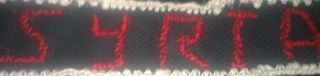
ROME – Shady Hamadi is a young Italian-Syrian who was among the first to have openly spoken on the repression that the Bashar al-Assad regime is enacting against the Syrian people. Despite the intimidations, he continued to take to the streets in  protests and to address the mass media in order to raise awareness in the general public. Now, he is asking Italians to not cling to indifference and to join in the “Black Ribbon for Syria” campaign, by wearing a symbol of solidarity to the Syrian people each day.

Q: It has been almost a year of repression and death in the country of your origins, when the drama directly affected your loved ones as well. What happens when history bursts into the life of a family? How has the history of your family changed in two   generations, through the Assad governments?

A: My family’s history is interwoven with the fate of an entire people. The drama of the sudden deaths, of arrests and exile has touched my family as it has the families of millions of other persons. When this happens, the drama begins to be part of daily life, so one simply needs to move forward and never go back, avoiding regrets and second thoughts.

Q: Your family members in Syria have been intimidated due to your activism in Italy. You have decided to continue to speak and put yourself in the public eye, defending the cause of the Syrian opposition even in the Italian and European Parliaments.  What resistance and difficulties have you met since then?

A: I didn’t have any real difficulties myself. At times I felt very much alone, abandoned, but during those moments I thought of my family in Syria and about my father’s example  so that I could carry on.

Q: Tell us about your first travels to Syria. What was happening those years in the capital? Did the Damascus Spring leave any traces of cultural life in the country? What are the “Voices of the Spirits” that you would write about today?

A: In 2009, Damascus was a sleepy city, the times of the Damascus Manifesto were by then far away and certainly no one imagined to be able to muster up so much courage. I remember having met many persons who were literally famished for knowledge, they wanted to know what people from other countries thought on any cultural argument or even wanting to know their simple conception of daily reality.  The Syrian people are not stupid, and they never have been. There are so many voices to talk about today, but one comes to mind in particular, a friend who recited poetry in English in the basement of a hotel on Monday evenings, and we would meet to listen to him.

Q: You have started a campaign called “Black Ribbon for Syria” why did you think of this kind of initiative to involve the Italian public?

A: A symbol is able to raise awareness more than a thousand words. Unfortunately the Italian public is not very aware of the Syrian tragedy, since its beginnings. This initiative, present also in other countries where small committees have been formed, seeks to create a common awareness on what is happening in Syria, bringing people into the street and squares. It is not possible that in Syria even children are executed and the world is not outraged.

Q: What are the greatest fears of those Syrians who live in the cities these days? With the shelling of the cities, the Syrian repression seems to have entered into a new and more terrible phase.

A: There are many kinds of fears: that of ending up in prison, that women in one’s family will be raped, and so forth. The situation is terrible, we are not even able to send medicine from Lebanon to Syria because the Lebanese government collaborates closely with the Damascus regime.

Q:The price that journalists have paid with their blood in Syria has been high. What has been the contribution of journalists to the coverage of information? Some say that they had been silent for too long, others challenge the information that comes out of Syria.

A: I think that more could have been done. Today we celebrate, rightly so, the two western journalists killed but together with them was Rami al Sayd and the hundreds of young people who continue to die for the reasons of uploading their videos on Youtube. Western journalism has to give more credit to the Syrian activist journalists who are in Syria and live there. If a journalist is treated like a hero because he entered into Syria for four days wouldn’t it be right to publicly recognise that there are Syrians who have done this work for eleven months, right in Syrian, in such a risky situation and they have died for this?

Q: During the rebellion of the Muslim Brotherhood, between 1976 nd 1982, one of the accusations raised against Assad and his loyalists was that of belonging to a sect of non-believers, and those most harshly struck by the armed actions of those doing the revolt were not only the government representatives and the Alawite officials of the military, but also ordinary citizens whose only fault was belonging to the same religious group as that of those in the regime. How do you interpret the relationship between Alawits and Sunnis in recent years?

A: There is the false believe that all the Alawites are with the regime and that all of them gain from it. This is untrue. In Syria, coexistence between religions is rooted in the society and has been for millenia, not only since 1963, as the government tries to suggest. Killing persons only because they are Alawites, has had happened in 1982 is wrong, just as it is wrong to kill anyone, if it it might sound merely rhetorical. The Syria of tomorrow will also have Alawites and for this reason work must be done to destroy the culture of the vendetta.

Q: Do you think that the new Constitution could open a margin for reaction to the opposition or do you think that it has definitively handed the keys of the nation over to Bashar?

A: I think that it is a farce. Assad has never recognised that an opposition exists, he has always said they are only a band of salafist terrorists who want to kill the minorities. When he recognises that there is dissent, then maybe one can start thinking about it.

Original:  http://www.ilmediterraneo.it/it/interviste/7570

100 civili siriani, vittime di 2 soli giorni di attachi

SCRITTO DA MARY RIZZO

“Sarebbe stato meglio nascere animali piuttosto che siriani. Avresti ricevuto maggiore protezione.”

Stavo riflettendo tra me e me, ed a volte a voce alta, “Che cavolo è successo all’empatia e all’umanità del movimento degli attivisti? Quando hanno deciso quale sangue non valeva molto? Dove sono andate la loro compassione, empatia e senso della giustizia?”

Ci sono alcune qualità che un’attivista dovrebbe possedere come parte obligatoria del proprio bagaglio. Non tutti devono avere una soluzione ai problemi che affligono le vittime o i deboli nelle cause che sostengono. Nemmeno devono dedicare molto tempo o soldi alla causa. Si potrebbe fare l’attivista oggigiorno localmente o anche se si è disabili o si  hanno difficoltà a lasciare le proprie case. Ci si può esprimere, condividere informazioni, e fare azioni di solidarietà attraverso internet. Le qualità, però, che dovrebbero essere a disposizione di ogni attivista includono l’empatia, un po’ di coraggio ed un forte desiderio che “il bene” abbia il sopravento e sconfigga “il male”. Che questo bagaglio così cruciale e obligatorio sia diventato così selettivo deve essere il colpo più fatale all’universo dell’attivisimo. Lo fa puzzare di ipocrisia e serve principalmente la causa degli oppressori.

L’empatia è una risposta sociale ed emotiva alle condizioni in cui vivono altri essere senzienti. Siccome tutti noi possiamo concordare che dolore e sofferenza (compresso quello d’essere vittima di abusi, fame e privazioni) sono cose negative, non dovrebbe essere difficile sentirsi male, “come se” quello che succede potesse succedere a noi o alle persone che amiamo. Se siamo capaci di sconnettere l’empatia perché abbiamo un’ideologia cui fare fede, accompagnata da una sorta di strana pressione sociale, qualcosa è andato storto. Se siamo selettivi per un concetto quale il dolore umano e la per nostra capacità di accettarlo (per gli altri), abbiamo bisogno di una lunga pausa di riflessione per pensare ex novo che cosa stiamo facendo nel mondo dell’attivismo. Dobbiamo ricordare che l’empatia potrebbe essere uno strumento per il cambiamento, dobbiamo metterlo al nostro servizio e capire che la gente che soffre (e in alcuni casi gli animali) percepisce il nostro coinvolgimento oppure la nostra indifferenza, e possono servire delle capacità tipiche degli (soprattutto) attivisti per far sì che i sentimenti di empatia si manifestino e vadano verso la fine della sofferenza, che rimane l’oggetto primario ed immediato.

Per poter capire, testimoniare ed identificarsi con la sofferenza estrema che è la realtà di alcuni, un attivista deve possedere la capacità di aiutare in una maniera concreta il cambiamento della condizione di dolore e di sofferenza attraverso il riconoscimento della condizione, seguito da azioni atte a    intervenire a favore delle vittime. Dall’altra parte, la loro indifferenza potrebbe dare sostegno al violento, all’ oppressore, che crede che la sua violenza sia giustificata.

Non c’è stata mancanza di prove per moltissimi mesi che in Siria la situazione attuale è una crisi umanitaria di gravità estrema. A citare alcune statistiche, molte delle quali provenienti dagli organi internazionali considerati come altamente autorevoli come l’ONU, Human Rights Watch, Amnesty International e altri ancora, in undici mesi dalle prime manifestazioni contro il regime, ci sono stati 6.000 civili uccisi, da cecchini, da  bombardamenti con mortai, bombe e pestaggi, anche se altre fonti dichiarano che il numero vero è molto più alto, visto che la scoperta di fosse comuni e la “sparizione” di manifestanti è un evento frequente. 70.000 persone sono state arrestate, la stragrande maggioranza senza accuse specifiche oppure accusate di crimini che nessun tribunale normale potrebbe sostenere, compresi crimini di pensiero e di intento. Ci sono stati casi documentati in modo costante di abusi e tortura, con i corpi segnati dalla brutalità che è difficile immaginare. Le scene sono così orribili e devastanti, che in anni ed anni di attivismo per i diritti umani e soprattutto per quelli palestinesi, non ho mai visto questo livello di depravazione, questo livello di crudezza.

La settimana scorsca, la città di Idleb ha subito un attacco molto sanguinoso: un gruppo di persone sono state vittime dello scoppio di una bomba di chiodi, che ha conficcato piccolissimi pezzi di metallo nella loro carne, daneggiando gli organi interni e causando emorragia interna fino ad arrivare ad una morte dolorosa. Sono stati trasportati all’ospedale civile per il loro funerale, ma lì, altri 60 corpi erano scoperti nelle celle frigorifere, tutti con segni di tortura estrema. L’ospedale è occupato dalla militia del regime che ha sparato alla gente e proibito a qualsiasi ferito le cure. Gli ospedali ora servono soltanto al regime per rimanere al potere a tutti i costi. L’immagine che è venuta alla mente di un’amica attivista che ha visto le foto erano le immagini  di persone faccia in giù nel proprio sangue a Sabra e Shatilla. Ma, questi sono siriani, e per un motivo che non riesco a capire, la maggioranza degli attivisti per la Palestina preferiscono ignorare il tutto. Stano portando gli paraocchi oppure sono incapaci di provare empatia con i siriani?

Che ci sono più di 20.000 rifugiati che hanno cercato la salvezza in Turchia nelle tende è un altro numero che dovrebbe essere un dato insopportabile per un attivista. Sappiamo bene quello che è il destino dei rifugiati, il fatto che spesso non possono mai tornare e soprattutto, le condizioni atroci in cui sono costretti a vivere. Un attivista dovrebbe essere preoccupato per tutto questo. Quanti siriani sono fuggiti in Libano o anche più lontano? Nessuno conosce i numeri perché spesso questa gente continua ad essere minacciata e ricercata anche in esilio.

Come mai gli attivisti non riescono a capire la severità della situazione? Perché denunciano i manifestanti negli stessi termini che sono usati dal regime, nonostante montagne di prove che dimonstrano che non è un governo umano? Come mai hanno fatto uso di Twitter, Facebook ed i blog per settimane contro lo spray al pepperoncino negli occhi dei manifestanti americani, ma gli assalti mortali contro civili (compreso più di 300 bambini che sono morti per mano del regime, molti di loro soggetti alla detenzione e alla morte per torture) sono ignorati? Sono i Siriani figli di un dio minore?  Sono meno degni di protezione e di interesse? E’ mai possibile che studenti universitari americani che dopo la manifestazione possono tornare nei loro dormitori e sanno che le loro vite non sono in pericolo ottengono più comprensione e empatia dagli attivisti che bambini arabi innocenti che hanno perso le loro vite sotto la crudeltà di una milizia repressiva?

Alcuni diranno, “Perché dici che è peggio se qualcuno uccide la propria gente?” come una scusa per poi parlare di un altro luogo geografico, un’altra situazione. Altri diranno che il regime di Assad è l’ultimo baluardo contro l’imperialismo, che è l’unico argomento che riescono a trovare. Sono sicuri che dietro tutte le proteste c’è un complotto imperialista, qualcosa che non dicevano  per le stesse proteste in Tunisia, Egitto ed a volte, verso l’Intifada palestinese. Molte di queste persone che dichariano che non può  essere una rivolta sincera e popolare oppure una rivoluzione vivono in società ricche in Europa e Nord America, dove hanno il diritto di dire qualsiasi cosa vogliono senza avere paura di essere arrestati. Però, non hanno mai fatto parte di una rivoluzione o di una rivolta contro il governo al  potere. Altri dicono che non ci deve essere l’intervento esterno, ma fanno il tifo per la Russia, il Libano e l’Iran perchè continuino ad armare il regime perché lo sostengano per il più lungo tempo possibile. Altri diranno che l’Esercito della Siria Libera è una milizia imperialista (???!!!) e che sta fomentando la guerra, non essendo una vera milizia di resistenza. Ancora altri dicono che entrambi i lati hanno la colpa, mettendoli sullo stesso piano, una cosa che non si azzardarebbero a fare se fosse la Palestina. Come è possible mettere a pari merito civili con un potere armato che controlla il governo, l’economia, che potrebbe togliere l’acqua, la corrente e il gas per proprio sfizio, arrestare persone in modo arbitrario a migliaia, chiudere ospedali, invadere città con carri armati, bombardare le persone mentre stanno nelle loro case e mettere cecchini sui tetti,  dovesse mai qualcuno provare a scappare?

Un mio amico siriano mi ha detto qualche mese fa, “Se solo fossimo degli animali, credo che ci sarebbero più persone a provare la compassione per noi.” Dopo alcune settimane, ha preso atto anche dell’abbandono totale degli Attivisti per la Palestina, che ripetono le posizioni retoriche di Assad senza nemmeno un motivo pratico per farlo se non la loro mancanza di umanità oppure la loro mancanza di occhi per vedere. Mi ha detto, “Dovremmo dire a tutti semplicemente che siamo palestinesi, forse solo allora si sentiranno male per come stiamo morendo.” Io lo porterei ancora avanti il pensiero: alcuni anni fa Vittorio Arrigoni ha scritto un pezzo molto toccante. Io chiedo agli attivisti per la Palestina in modo particolare di leggerlo e rifletterci sopra.

“Prendi dei gattini, dei teneri micetti e mettili dentro una scatola” mi dice Jamal, chirurgo dell’ospedale Al Shifa, il principale di Gaza, mentre un infermiere pone per terra dinnanzi a noi proprio un paio di scatoloni di cartone, coperti di chiazze di sangue. “Sigilla la scatola, quindi con tutto il tuo peso e la tua forza saltaci sopra sino a quando senti scricchiolare gli ossicini, e l’ultimo miagolio soffocato.” Fisso gli scatoloni attonito, il dottore continua “Cerca ora di immaginare cosa accadrebbe subito dopo la diffusione di una scena del genere, la reazione giustamente sdegnata dell’opinione pubblica mondiale, le denunce delle organizzazioni animaliste…” il dottore continua il suo racconto e io non riesco a spostare un attimo gli occhi da quelle scatole poggiate dinnanzi ai miei piedi. “Israele ha rinchiuso centinaia di civili in una scuola come in una scatola, decine di bambini, e poi la schiacciata con tutto il peso delle sue bombe. E quale sono state le reazioni nel mondo? Quasi nulla. Tanto valeva nascere animali, piuttosto che palestinesi, saremmo stati più tutelati.”A questo punto il dottore si china verso una scatola, e me la scoperchia dinnanzi. Dentro ci sono contenuti gli arti mutilati, braccia e gambe, dal ginocchio in giù o interi femori, amputati ai feriti provenienti dalla scuola delle Nazioni Unite Al Fakhura di Jabalia, più di cinquanta finora le vittime. Fingo una telefonata urgente, mi congedo da Jamal, in realtà mi dirigo verso i servizi igienici, mi piego in due e vomito.”

In questo momento, queste vittime sono siriani. In questo momento, la media di 40 vittime al giorno (ma cresce negli ultimi giorni), a volte 100 vittime ogni giorno, è ciò che accade in Siria.

(grazie a Eugenio Dacrema per l’aiuto)

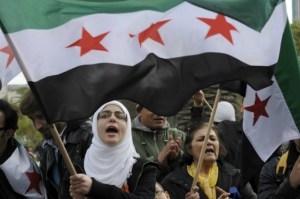
the amount of marches and number of participants has grown exponentially

WRITTEN BY ENRICO DE ANGELIS, translated by Mary Rizzo

After almost a year, let’s take a look at the fundamental moments of the revolt in Syrian, running the gamut of repression, the regime’s propaganda and “hope”. From the first protests in Damascus up to the bloody episodes of recent days.

A Syrian dissident once told me that ever since the revolts in Syria started, time passes faster than in the rest of the world. If outside, a day goes by, within the borders, it is as if a week has passed. It is hard to think that only a year ago, Syria had one of the most stable regimes in the Middle East. Its president Bashar al-Assad seemed to enjoy a consensus that the other Middle Eastern dictators, starting from Hosni Mubarak, did not have. The economic difficulties hadn’t yet reached the breaking point of tolerance as they had in Egypt. And lastly, the geopolitical position of Syria put several obstacles in front of a possible revolt. For years the Syrian regime had been the only certainty in an area that is dense with ambiguity and problems: the chaos of Iraq following the American occupation, the fragility of Lebanon with its intermittent civil wars, Israel and the occupation of Palestine. No one wanted, and in many ways no one still wants, the sudden and violent fall of the Syrian regime, not even the Western powers, starting from the United States. It is impossible to think of a “calculated” regime change, it is impossible to predict what will happen if the Assad regime, which has lasted 40 years, should fall.

All of these certainties collapsed one after the other. No one expected that the Syrian revolution could have reached such proportions and developed in this way. From a year since the start of the revolts, which began in March 2011, Syria today appears to be on the brink of a civil war. The regime’s repression of the uprising in the most recent days has reached its apex. The prolonged shelling of the city of Homs, one of the strongholds of the “rebels”, is bringing about the death of hundreds. A few days earlier, there was the failure and the withdrawal of the Arab League’s observers, after having admitted their own incapacity to put a halt to the violence. Then, the lack of reaching an agreement on the UN resolution from the Arab League initiative that asked for Bashar to step down and to start the transition process towards democracy. A resolution that, though excluding a military intervention, was blocked in no uncertain terms by the double veto of Russia and China.

Never before as today are all eyes set on the armed aspect of the revolt, that Free Syrian Army (FSA) constituted prevalently of deserters of the armed forces that since July 2011 has militarily opposed the repression. The United States, though excluding a direct armed intervention, seems to think of supporting the FSA with arms and money, with the help of Turkey, Qatar and Saudi Arabia. On the other side, Russia and Iran continue to support the regime and supply Bashar al-Assad’s militia. In essence, there are all the elements for a sort of “proxy war” with dynamics that resemble those of Vietnam in the 1960s or, to stay in the region, similar to the style of the Lebanese civil wars.

The armed revolt and the regime’s propaganda – What is unfolding before our eyes can be defined as a sort of “self-fulfilling prophecy”. The regime has insisted since the beginning that the revolt was an armed on, directed by foreign elements, fruit of an international conspiracy and underscored by ethnic reasons: Sunnis against Alawites. Even when that was evidently not the case at all. In the regime’s version, the repression of the protesters has always been presented as a fight against invisible “terrorists” and against armed gangs that were not identified in any clear way. It had been Bashar al-Assad himself, in a speech held at the People’s Council at the end of last March, to set this narrative of events, deluding a good number of Syrians who hoped at least in a partial recognition of the growing dissent in the country and in the opening towards a pacific exit strategy that at the same time seemed still to be realistic. Today, some of the elements that constitute the regime’s propaganda have become reality: it is true that the armed revolt has assumed a certain importance. It is true that foreign intervention is ever more pressing, first under the form of economic and diplomatic pressure, and perhaps from now on even under the form of military aid. It is true that even the ethnic aspects of the clashes have become more evident. The Alawites, a minority group to which the al-Assad family belongs, are almost all on the side of the regime, as well as how the able propaganda of the regime has always tried to paint the revolt as directed towards the creation of an Islamic state in which the exponents of other religious groups would find themselves emarginated or worse, persecuted. Some of the lies of the regime have transformed themselves, at least in part, into truth.

The wind of the Arab Spring – But it has not always been that way. The Syrian revolt started spontaneously and it is still prevalently an authentic revolt, brought forward by the Syrian citizens without the help of anyone. The requests of the protesters are for the most part extraneous to a religious discourse: they are asking for freedom, democracy, social justice. And, despite everything, the peaceful protesters continue to build the true motor of the revolt. Everything had its start in Tunisia and Egypt. The Syrian revolt would probably never have taken place without the precedent Arab Springs. The domino effect in this case is striking. When the so-called Arab Spring began in North Africa, something in Syria had shaken. Small events, but taken all together make up a definite change in the environment. When I was in Damascus, in the winter of 2010, the transformation was evident. It was enough to look at the debates that were flooding the information sites in that period: there were discussions on the news of the uprisings against Mubarak and Ben Ali, and it is simple to pass from these arguments to the situation in Syria. One almost does not even notice it happening. In substance, the problems are and remain the same in all the Arab countries: corruption, growing gap between the rich and the poor, daily humiliation, lack of freedom, an economy that is on the decline in a way that is seemingly unstoppable. One talks of Egypt and Tunisia, and in reality, one is talking of Syria.

The phenomenon doesn’t concern only Internet. Even outside of the web, the atmosphere is visibly changing. The traditional remissive and apolitical nature that has always characterised the population seems to be crumbling. Acts of bullying and arrogance that were once tolerated by perseverance are now met with a growing impatience. In February the first marches were organised, in front of the Egyptian and Libyan embassies, to express solidarity with the Arab Spring. Then something that until only a few months before had been unthinkable: dozens of persons took to the streets of Damascus to protest against the violence of a policeman against the child of a shopkeeper. The protesters shouted, “the Syrian people will not be humiliated,” which successively became one of the most widespread slogans in the protests to follow. Damascus was thus the first city to move, something that today might seem incredible.

On 15 March, a group of youth gathered together at the suq (market) of Hamidiya: it was the first time that films that had been made using mobile phones had been put onto Internet. Al Jazeera, the pan-Arab network of Qatar, one of the Arab world’s most widespread channels, immediately began to transmit them, also allowing those who did not have an Internet connection to know what was going on. On 16 March, the relatives of some political prisoners gathered in front of the Ministry of the Interior. The security forces intervened with violence, beating the protesters and arresting dozens of them.  Small groups of protesters continued to take to the streets, but this was still a limited phenomenon. Until that moment, the only ones to make a move had been the “civil society” of Damascus: a middle-to-upper class of intellectuals and youth who were working in the cultural field, in journalism, civil organisations and human rights groups.
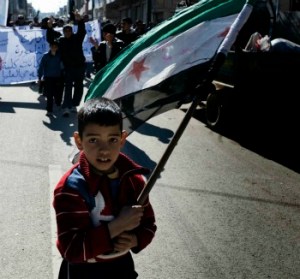
participation spans all ages

The dynamics of the protests had changed in those very days. In the small city of Dera’a, in southern Syria, a group of children with spray paint wrote some slogans against the regime on a wall. The emulation of the Egyptian revolt was quite clear: the writing was imitating the anti-Mubarak slogans used by the young Egyptians of the 25 January movement. The children copied them directly from the reports on Al Jazeera. The reaction of the regime was immediate: the children were arrested. The next day their parents and the families of the children took to the streets to protest, encouraged by that same atmosphere that had materialised a few days earlier in Damascus. The security forces intervened, shooting: there were the first deaths. The funerals became the occasion for even larger protests, and the repression was growing more and more ferocious. The nearby villages ran in support of Dera’a. The protesters numbered in the thousands. The Syrian revolt had begun.

The evolution of the revolt – From Damascus, the uprising moved to the provinces, and from the elite, it was substituted by the lower-middle class. This takes into consideration very often those same sectors of the population which initially constituted the pillars of the support to the regime: farmers, labourers, office workers and shopkeepers who in the last fifteen years had been abandoned and penalised by the liberalisation reforms. They were the ones who most strongly felt the effects of growing corruption in the circles of power that gravitated around the regime and of the progressive cuts in state aid. Other cities and regions progressively joined the protests: Banyas, Nawa, Homs, Latakia, Idlib, Qamishli, Hama and many others. At the start, the protests were born from various, localised needs: each region has its own requests and its own complaints regarding the regime. Especially, at the start, it was not asked for Bashar al-Assad to step down: the slogans demanded the end of corruption, reforms, more freedom.

It’s been the ferocious repression of the regime to give unity to this fragmented chain of uprisings. And, it is the repression of the regime to radicalise the requests of the protesters. As they gradually saw their death toll rise in the dozens, and then in the hundreds of protesters, the legitimacy of the president had progressively crumbled, and the marches became an open revolt against Bashar al-Assad and his regime. It has been a peaceful uprising: no one at the start thought of using arms against the army and the security forces. The control of the military by the regime is total, almost all of the officers are Alawites and their loyalty is absolute.

But even this story started to change: someone started to take weapons as a vendetta, then the first individual desertions took place as well as the formation of armed anti-regime groups. The prophecy of the regime became reality as civil war seems to get nearer, even if it is still avoidable. But looking at the current situation, one should not forget how the revolt began, and who is responsible for its degeneration.
continua su: http://www.fanpage.it/siria-ricostruire-le-origini-della-rivolta-quasi-un-anno-dopo/#ixzz1lzbH7FK4
http://www.fanpage.it
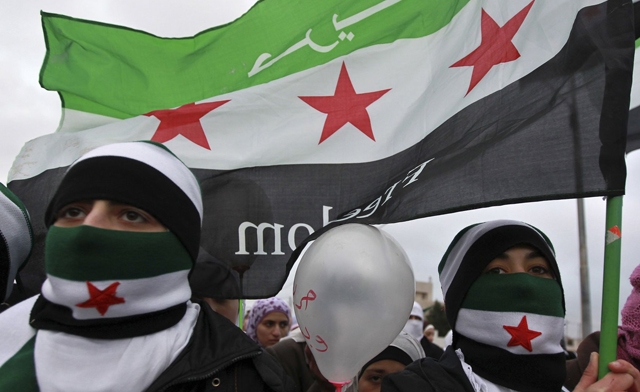
 

Siria: ricostruire le origini della rivolta quasi un anno dopo

A quasi un anno di distanza, ripercorriamo le tappe fondamentali della rivolta in Siria, tra repressione, propaganda di regime e “speranza”. Dalle prime manifestazioni a Damasco fino ai cruenti episodi degli ultimi giorni.

Un dissidente siriano una volta mi ha detto che da quando le rivolte sono cominciate in Siria il tempo passa più velocemente che nel resto del mondo. Se al di fuori è passato un giorno, all’interno dei confini è come se fosse passata una settimana. È difficile pensare che un anno fa quello siriano fosse uno dei regimi più stabili del Medio Oriente. Il presidente Bashar al-Assad sembrava godere di un consenso che altri dittatori mediorientali, a cominciare da Hosni Mubarak, non avevano. Il disagio economico non aveva ancora raggiunto il limite massimo di sopportazione come in Egitto. E infine, la posizione geopolitica della Siria poneva più di un ostacolo a una possibile rivolta. Per anni il regime siriano aveva costituito la sola certezza in un’area percorsa di incognite e problemi: il caos dell’Iraq dopo l’occupazione americana, la fragilità del Libano con le sue intermittenti guerre civili, Israele e l’occupazione della Palestina. Nessuno voleva, e per molti versi nessuno ancora vuole, una caduta improvvisa e violenta del regime siriano, neanche tra le potenze occidentali, a cominciare dagli Stati Uniti. Impossibile pensare a un passaggio di regime “calcolato”, impossibile prevedere cosa succederebbe se il regime quarantennale regime degli Assad dovesse crollare.

Queste certezze sono crollate una a una. Nessuno si aspettava che la rivoluzione siriana potesse raggiungere simili proporzioni e svilupparsi in questo modo. A un anno dallo scoppio delle rivolte, cominciate nel Marzo del 2011, la Siria appare oggi sull’orlo di una guerra civile. La repressione del regime nei confronti dell’insurrezione in questi ultimi giorni ha raggiunto il suo apice. Il bombardamento prolungato della città di Homs, una delle roccaforti dei “ribelli”, sta mietendo centinaia di vittime. Pochi giorni prima, l’insuccesso e il ritiro degli osservatori della Lega araba, dopo aver ammesso la propria incapacità ad arginare le violenze. Poi il mancato accordo per una risoluzione ONU su iniziativa della Lega araba che chiedeva le dimissioni di Bashar al-Assad e l’inizio di un processo di transizione verso la democrazia. Risoluzione che, pur escludendo l’intervento armato, viene bloccata senza mezzi termini dal doppio veto di Russia e Cina.

Mai come oggi gli occhi sono puntati sul lato armato della rivolta, quell’esercito siriano libero (ESL) costituito prevalentemente di disertori dell’esercito regolare che dal luglio 2011 si oppongono militarmente alla repressione. Gli Stati Uniti, pur escludendo un intervento armato diretto, pare comincino a pensare di sostenere l’ESL con armi e finanziamenti, con l’aiuto di Turchia, Qatar e Arabia Saudita. Dall’altra parte, Russia e Iran continuano a sostenere il regime e a rifornire le armate di Bashar al-Assad. Insomma si sta profilando una sorta di “guerra per procura”, con dinamiche simili a quella del Vietnam negli anni sessanta o, per restare nel Vicino Oriente, sullo stile delle guerre civili in Libano.

La rivolta armata e la propaganda del regime – Quella che oggi si dispiega sotto i nostri occhi ha l’aria di una “profezia che si autoadempie”. Il regime ha sostenuto fin dall’inizio che la rivolta fosse armata, pilotata da elementi stranieri, frutto di un complotto internazionale e mossa da ragioni etniche: sunniti contro alawiti. Anche quando evidentemente non era così. Nella versione del regime, la repressione contro i manifestanti è sempre stata presentata come una lotta a degli invisibili “terroristi” e a non ben identificate bande armate. È stato lo stesso Bashar al-Assad, in un discorso tenuto al Consiglio del Popolo alla fine del marzo scorso, a fissare questa narrazione degli eventi, deludendo non pochi siriani che speravano almeno in un parziale riconoscimento del dissenso crescente nel paese e nell’apertura verso una via d’uscita pacifica che al tempo appariva ancora realistica. Oggi alcuni degli elementi che costituiscono la propaganda del regime sono divenuti realtà: è vero che la rivolta armata ha assunto un peso importante. È vero che l’intervento straniero è sempre più pressante, prima sotto forma di pressioni economiche e diplomatiche e forse da ora in poi anche sotto forma di aiuti militari. È vero anche che gli aspetti etnici dello scontro sono divenuti più evidenti. Gli alawiti, gruppo minoritario cui appartiene la famiglia di Bashar al-Assad, si sono quasi tutti schierati dalla sua parte, anche come risultato dell’abile propaganda del regime che ha sempre dipinto la rivolta come diretta alla creazione di uno stato islamico al cui interno gli esponenti di altre confessioni religiose sarebbero marginalizzati o, peggio, perseguitati. Alcune delle bugie del regime si sono trasformate in, almeno parziali, verità.

Il vento della Primavera araba – Ma non è sempre stato così. La rivolta siriana è iniziata spontaneamente ed è ancora prevalentemente una rivolta autentica, portata avanti da cittadini siriani senza l’aiuto di nessuno. Le richieste dei manifestanti sono per lo più estranee a discorsi di tipo religioso: si chiedono libertà, democrazia, giustizia sociale. E, nonostante tutto, i manifestanti pacifici continuano a costituire il vero motore della rivolta. Tutto ha avuto in inizio in Tunisia ed Egitto. La rivolta siriana non sarebbe probabilmente mai avvenuta senza le precedenti Primavere Arabe. L’effetto domino in questo caso è lampante. Quando la cosiddetta Primavera Araba è cominciata nel Nord Africa, in Siria scatta qualcosa. Piccoli dettagli, ma che insieme disegnano un deciso cambio d’atmosfera. Quando ero a Damasco, nell’inverno del 2010, la trasformazione era evidente. È sufficiente guardare ai dibattiti che affollano i siti d’informazione in quel periodo: si commentano le notizie sulle insurrezioni contro Mubarak e Ben Ali, ed è facile passare da questi argomenti alla situazione in Siria. Quasi non te ne accorgi. In fondo i problemi sono e restano gli stessi in tutti i paesi arabi: corruzione, crescente differenza tra ricchi e poveri, umiliazioni quotidiane, mancanza di libertà, un’economia che declina apparentemente in modo inarrestabile. Si parla di Egitto e Tunisia, e in realtà si parla di Siria.

Il fenomeno non riguarda solo internet. Anche al di fuori della rete l’atmosfera sta visibilmente cambiando. La tradizionale remissività e apoliticità che ha sempre caratterizzato la popolazione sembra cominciare a sbriciolarsi. Atti di bullismo e prepotenza che prima erano tollerati a testa bassa sono ora accolti con crescente insofferenza. A febbraio vengono organizzate le prime manifestazioni, davanti alle ambasciate egiziana e libica, per esprimere solidarietà alla Primavera Araba. Poi è accaduto qualcosa che era impensabile fino a qualche mese prima: decine di persone a Damasco scendono in piazza a protestare contro la violenza di un poliziotto nei confronti del figlio di un negoziante. I manifestanti gridano “il popolo siriano non sarà umiliato”, che successivamente diverrà uno degli slogan più diffusi nelle proteste successive. Damasco è quindi la prima a muoversi, cosa che oggi può sembrare incredibile. Il 15 marzo gruppi di giovani si riuniscono al suq (mercato) Hamidiya: è la prima volta che vengono girati e sono diffusi in rete i filmati realizzati con telefoni cellulari. Al-Jazeera, la rete pan-araba del Qatar, uno dei canali più visti del mondo arabo, comincia immediatamente a trasmetterli, permettendo anche a chi non ha una connessione internet di sapere cosa sta succedendo. Il 16 marzo i parenti di alcuni prigionieri politici si riuniscono di fronte al ministero dell’interno. Le forze di sicurezza intervengono duramente, colpendo con forza i manifestanti e arrestandoli a decine. Piccoli gruppi di oppositori continuano a scendere in piazza, ma si tratta di un fenomeno ancora limitato. Finora a muoversi è stata unicamente la “società civile” damascena: una classe medio-alta di intellettuali e giovani che lavorano nel campo della cultura come giornali, organizzazioni civili, gruppi di diritti umani.

La dinamica delle proteste è cambiata in quegli stessi giorni. Nella piccola città di Deraa, nel sud del paese, un gruppo di bambini muniti di bombolette spray scrive sui muri slogan contro il regime. L’emulazione della rivolta egiziana è fin troppo chiara: le scritte sono copiate da slogan anti-Mubarak usati dai giovani egiziani del 25 gennaio. I bambini le hanno copiate direttamente dai report di Al-Jazeera. La reazione del regime è immediata: i bambini vengono arrestati. Il giorno successivo i genitori e le famiglie dei bambini scendono in piazza a protestare, incoraggiati da quella stessa atmosfera che si era materializzata qualche giorno prima a Damasco. Le forze di sicurezza intervengono, sparando: ci sono i primi morti. I funerali divengono occasione per manifestazioni ancora più ampie, e una repressione ancora più feroce. I villaggi vicini corrono a sostegno di Deraa. I manifestanti si contano a migliaia. È cominciata la rivolta siriana.

L’evoluzione della rivolta – Da Damasco l’insurrezione si sposta alla provincia, e alle elite si sostituiscono ceti medio-bassi. Si tratta molto spesso di quegli stessi settori della popolazione che prima costituivano il pilastro di sostegno del regime: contadini, operai, impiegati e piccoli commercianti che negli ultimi quindici anni sono stati abbandonati e penalizzati dalle riforme di liberalizzazione. Sono loro che hanno maggiormente risentito della crescente corruzione dei circoli di potere che gravitano intorno al regime e del taglio progressivo degli aiuti statali. Altre città e regioni si uniscono progressivamente alle proteste: Banyas, Nawa, Homs, Latakia, Idlib, Qamishli, Hama e tante altre. All’inizio le proteste nascono da esigenze diverse, localizzate: ogni regione ha le proprie richieste e le proprie lamentele contro il regime. Soprattutto, all’inizio non si chiede la caduta di Bashar al-Assad: gli slogan domandano la fine della corruzione, riforme, più libertà.

È la repressione feroce del regime a dare unitarietà a questa catena frammentata di sollevamenti. Ed è la repressione del regime a radicalizzare le richieste dei manifestanti. Man mano che i morti arrivano a decine, poi centinaia di manifestanti, la legittimità del presidente si sgretola progressivamente, e le manifestazioni divengono un’aperta rivolta contro Bashar al-Assad e il suo regime. Si tratta di un’insurrezione pacifica: nessuno all’inizio pensa di poter usare le armi contro l’esercito e le forze di sicurezza. Il controllo dell’esercito da parte del regime è totale, quasi tutti gli ufficiali sono alawiti e di fedeltà assoluta.

Ma anche questa storia comincia a cambiare: qualcuno comincia a prendere le armi per vendetta, cominciano le prime diserzioni individuali e la formazione di gruppi armati anti-regime. La profezia del regime diviene realtà e la guerra civile sembra avvicinarsi, anche se è ancora evitabile. Ma nel guardare la situazione attuale non bisogna dimenticare mai come la rivolta è cominciata e di chi è la responsabilità della sua parziale degenerazione.

Leggi anche:

continua su: http://www.fanpage.it/siria-ricostruire-le-origini-della-rivolta-quasi-un-anno-dopo/#ixzz1lzbH7FK4
http://www.fanpage.it

SCRITTO DA Iyad Abou-Rabii
Tradotto da Mary Rizzo
Torniamo indietro fino al 1967 quando Hafez Al-Assad era il Ministro della Difesa siriana. Era considerato come direttamente responsabile per la sconfitta nella Guerra di Sei Giorni nel 1967.

Il 15 settembre 1970, King Hussein dichierò la legge marziale. Il giorno seguente, carri armati giordani (La Brigata 60° dell’Esercito Giordano) attaccarono la sede delle organizzazioni palestinesi ad Amman; l’esercito ha anche attaccato campi in Irbid, Salt, Sweileh, Baq’aa, Wehdat e Zarqa. Quando una parte dell’esercito siriano sotto il commando della divione siriana dell’Esercito per la Liberazione della Palestina (PLA), decise di assistere i loro fratelli palestinesi, trovarono con loro la 40° Brigata dell’Esercito Giordano. L’Aeronautica Militare Siriana, sotto gli ordini di Assad, non entrò mai nella battaglia. C’erano tra i tremila e i cinquemila soldati palestinesi uccisi.

Dopo il danno d’immagine causato dal totale fallimento dell’Esercito siriano di prendere parte nella Guerra dei Sei Giorni nel 1967, e iracondo dopo l’abortito intervento nella guerra Giordana-Palestinese di settembre, all’interno del governo iniziò un conflitto tra le varie posizioni. Quando il Presidente Nureddin al-Atassi ed il leader de facto, il Vice Segretario Generale del partito Ba’ath Jadid, si resero conto della situazione, ordinarono che Assad e Tlass fossero privati di ogni potere di partito e di governo; ma era troppo tardi. Assad iniziò velocemente un golpe intra-partito senza spargimento di sangue, la Rivoluzione Correttiva di 1970. Il partito fu epurato, Atassi e Jadid imprigionati ed i lealisti di Assad si istaurarono nelle posizioni chiave in ogni settore del governo.

La guerra con Israele nel ottobre 1973 (per me è la “Recita d’ottobre” e non la Guerra d’ottobre) che era stata presentata dal governo siriano come una vittoria, fu in realtà un disastro, poichè alla fine della guerra l’esercito israeliano aveva invaso grandi porzioni della Siria, con posizioni fino a 40 km da Damasco. Dopo questa data, fino ad oggi, il confine siriana con Israele è stato il più sicuro, calmo e silenzioso di tutti.

Il 12 agosto, 1976, l’esercito di Assad con alcune fazioni libanesi (Phalange, Guardiani dei Cedri e Tigre forze di milizia) attaccò il più grande assembramento di soldati palestinesi nel campo di Tel al-Zaatar. Fu un massacro; il campo ospitava oltre 60.000 rifugiati palestinesi, più 2.500 soldati del OLP. Furono uccisi 1.500 palestinesi, (1.200 di essi civili), tra i leader della fazione armata libanese (Michel Aoun), l’attuale amico del regime siriano.

Un’altro colpo duro inferto ai palestinesi dopo il suo ruolo nel Settembre Nero fu il 19 maggio, 1985 quando scontri pesanti si sviluparono tra Amal e la milizia del campo rifugiati palestinese per il controllo dei campi di Sabra, Shatila e Burj el-Barajneh a Beirut. Amal, era sostenuta prevalentamente dagli sciiti della 6° Brigata dell’Esercito Libanese. Essa a sua volta si trovava sotto il comando di alcune divisioni dell’ 8° Brigata, prevalentemente cristiana, fedele al Generale Michel Aoum (di nuovo), il quale era stazionato a Beirut est. Praticamente tutte le case nei campi furono ridotto a macerie.

Amal fu supportato fortemente dalla Siria e sostenuto indirettamente da Israele (Sì, Israele), mentre l’OLP non ha goduto di molto sostegno dall’estero. Amal ebbe anche il vantaggio sull’OLP per quanto riguardava equipaggiamento, soprattuto veicoli corazzati (forniti direttamente dall’Esercito siriano); Amal fu inoltre sostenuto dall’Aeronautica Militare dell’Israele (IAF) che lanciò alcuni raid aerei contro postazioni palestinesi (Saidon 1986).

Questa guerra (La Guerra dei Campi) finì con l’espulsione di ogni militante palestinese dal Libano (un’altro ruolo sporco giocato da Assad contro la resistenza palestinese).

Ecco il sostegno che il regime degli Al-Assad ha dato alla resistenza palestinese! E ancora volete considerarlo un’eroe che sostiene la resistenza contro i sionisti?!

Ecco suo figlio

In 2000, quando Bashar andrò al potere, tutta la popolazione siriana lo sostenne, anche se non fu eletto democraticamente, ma per il popolo – che a questo punto pensò con un po’ d’amnesia –cambiamenti radicali avrebbero potuto portare il Paese al caos, e preferì accettare Bashar, che promisse loro cambiamenti politici ed economici di grande portata. Fu quindi creduto da tutti, me compreso.

Infatti, moltissime persone avevano creduto in lui, come Aref Dalila che nel 2001 fu tra gli attivisti incoraggiati dal senso di ottimismo mentre Bashar al-Assad, il giovane nuovo presidente stava facendo i suoi primi passi come capo dello Stato. Ecco quale fu lo spirito del periodo che fu chiamato la “Primavera di Damasco”.

Ma una dura presa di coscienza con la realtà fu necessaria nel settembre di quell’anno, quando Sig. Dalila e nove altri furono rastrellati ed arrestati in una repressione governativa. Il suo crimine? Promuovere l’idea di riforme e di parlare contro la corruzione ad ogni livello – una questione in cui senza dubbio poteva dire di avere possedere autorevolezza, essendo stato uno dei principali economisti del Paese che servì come professore alle Università di Aleppo e Damasco. Alcuni fanno menzione di come lui fu un caso davvero particolare, essendo una rara voce critica dalla setta Alawita, la minoranza cui appartiene il presidente e quello che ha sempre dominato il potere dal momento che Hafez al-Assad prese il potere in 1970.

E mentre il governo siriano ebbe goduto di una considerevole rivalutazione diplomatica, gli attivisti per i diritti umani sostennero sempre che pochissimo cambiò in questo campo dal momento che Sig. Dalili fu sequestrato dalla sua casa dagli agenti della sicurezza in borghese. Un numero di attivisti molto conosciuti furono arrestati con Sig. Dalila e poi rilasciati e ora sono di nuovo sono dietro le sbarre, insieme con decine di altre persone che sono detenuti per motivi politici.

Pochissimi attivisti pensano che la situazione potrebbe migliorare, a dispetto del miglioramento dei rapporti internazionali.

14 rami dei servizi segreti erano attivi, mentre solo 5 università funzionavano, facendo si che fosse molto più facile per i cittadini siriani di essere arrestati o cominciare a lavorare per uno di questi servizi piuttosto che fare gli studi universitari.

In 11 anni, nulla è cambiato, se non in peggio. La corruzione è il pane quotidianno di ogni siriano, la disoccupazione è al 20%, il capitalismo si è lentamente istaurato in Siria, e non esiste più nulla del socialismo, se non un nome senza significato sui testi ufficiali.

Perché scrivo questo?

Perché vedo che ci sono persone che non conoscono affatto la faccia vera del regime degli Al-Assad, e il loro scopo nella vita è di andare dove nessun imperialista o politico americana mette piede, quindi, vedono nel (non esistente) sostegno degli USA alla siriani che protestano un’indicazione che la loro rivolta non è niente altro che una aspirazione occidentale.

Questo è assolutamente e totalmente sbagliato….

Sbagliato perché gli Usa e i sue alleati non stanno sostenendo il popolo siriano, regalando a Bashar tutto il tempo necessario di mettere la parola “fine” alla loro rivolta (ma loro mantengono nelle dichiarazioni pubbliche parole di sostengo verso il popolo siriano, per il motivo di continuare di tenere il bastone al centro.)

Abbiamo visto gli USA che invadono Afghanistan, Nicaragua, Iraq, Groenlandia e altri Paesi senza ascoltare l’opinione russa o cinese o cercando di ottenere il loro consenso, perché proprio ora stiamo talmente interessati in quello che pensano e di quello che faranno con la risoluzione all’ONU?

Stiamo ora vivendo questa repressione brutale in Siria. Che cosa è la risposta adeguata quando l’impulso democratico di un qualsiasi Paese è calpestato dall’ecessivo e disumano uso di forza dello Stato?

Alcuni parlano ancora di una transizione pacifica e democratica! Non è crudele di occupare la mente con fantasie di trasformazioni democratiche di fronte a uccisioni di massa? Quando la gente mette la sua vita in pericolo ogni giorno per gli ideali rivoluzionari, non è quello dei critici solamente un gioco intelletuali irrilevante? Noi, progressisti o gente di sinistra, non dobbiamo comunque dubitare la paradigma di una trasformazione in ogni caso?

Poi, ci sono i fatti. Uno di questi fatti è che il regime siriano ha da molto tempo posseduto uno dei più brutali meccanismi di controllo nella regione. E mentre i massacri indiscriminati piovano sulle teste dei civili, gli studiosi della storia non possono non vedere gli echi del massacro sanguinoso in 1982 a Hama.

Quello che serve al popolo siriano è solamente l’umanità con la sua coscienza.

Io continuo a credere, come è stato detto da Martin Luther King Jr, che “l’arco della storia va verso la direzione della giustizia.”

Originale: http://iyadabourabii.wordpress.com/2012/02/07/al-assad-story/
GRAZIE Eugenio Dacrema per l’aiuto.

Fahmi Huwaidi

TRADOTTO dall’inglese da Luca Urbinati

Dobbiamo delle scuse al popolo Siriano per ogni giorno che furono macellati prima che i nostri occhi (potessero vedere) durante i passati undici mesi. I popoli Arabi li hanno delusi ed hanno guardato dai bordi come se “il cuore dell’Arabismo” è divenuto circondato da Arabi senza cuori.

Da Venerdì 3 a Venerdì 10 Febbraio, 755 Siriani furono uccisi, e dall’inizio della leggendaria Intifada a metà Marzo lo scorso anno, il regime di Assad ha ucciso 8.000 persone. Altri 10.000 sono scomparsi e le prigioni Siriane sono riempite da numeri incalcolabili. L’unico crimine che queste persone hanno commesso è di domandare dignità e libertà per il loro Paese, dopo quasi 45 anni di tirannide ed oppressione.

Durante i mesi scorsi, non abbiamo visto nulla della Syria ma un Paese macerato dal sangue del proprio popolo. Le sue strade traboccano di precessione funerarie delle vittime, e le sue città sono minacciate di devastazione e distruzione al suono delle voci che chiedono libertà. L’unica cosa ad essere udita è il ronzio dei missili e bombardieri; l’angoscia di coloro intrappolati che chiedono la fine dei massacri, le urla di coloro che insistono a rovesciare il regime, ed i sostenitori per ogni Arabo od intervento internazionale che possa frenare i nuovi attacchi Tartari (Huns).

Questo crimine, che è stato in corso per gli undici mesi passati, ha mosso duramente ognuno nel mondo Arabo dove la maggioranza pensa che sia sufficiente seguire gli eventi in televisione, come fanno con ogni soap opera Turca!

Ironicamente, il mondo Arabo e Musulmano si scosse con rabbia quando Salman Rushdie ha pubblicato i “Versi Satanici”, ed ugualmente quando un quotidiano Danese ha pubblicato dei cartoni del Profeta Muhammad (Maometto) (pace su di Lui), ma poco importa riguardo il massacro in corso contro il popolo Siriano.

E mentre capisco la legittimità nell’esprime rabbia quando una violazione viene commessa contro le sacre scritture, io sono sorpreso al caso contrario in difesa della dignità dei Musulmani. Questo, in parte, mostra l’estensione dello squilibrio nei prevalenti concetti che separano fra la dotrrina e la dignità di una persona. Questo confina gelosia e protezione al primo ma non si estende al secondo. Questo, mentre si conosce che le dottrine sono protette da Dio, mentre la violazione della santità del popolo e la loro dignità rappresentano un attacco ad uno dei diritti di Dio che richiede vigilanza, condanna e chiama a stringersi intorno e punire l’oppressore.

Se qualcuno dovesse dire che la Lega Araba ha intrapreso iniziative, ha iniviato controllori ed è andata al Concilio di Sicurezza allo scopo di guadagnare un po’ di influenza nei confronti del regime di Damasco, io non sarei in disaccordo. Tuttavia, la Lega Araba rappresenta i governi e non il popolo. Gli osservatori sono andati in Siria, e sono tornati indietro non avendo fatto nulla che possa cambiare l’equazione. Invece, il regime di Assad ha capitalizzato nella loro missione per guadagnare tempo allo scopo di terminare la soppressione delle manifestazioni.

Con riguardo al Concilio di Sicurezza, questo approccio è stato abortito dai Russi e Cinesi usando il loro veto. Non ci sono più iniziative capaci di risolvere questo problema internazionalmente eccetto per la conferenza di Amici della Siria sollecitata dalla Francia, ed una conferenza parallela sollecitata della Turchia. I più importanti sviluppi ufficiali che hanno preso posto nel livello Arabo sono stati il ritiro della Missione dell’Osservatore, l’espulsione degli ambasciatori Siriani dalla Tunisia e dai Paesi del Concilio di Cooperazione del Golfo (GCC), e la ricognizione della Libia da parte dei Concilio Nazionale rappresentante la rivoluzione Siriana.

Nel caso della Libia, era chiaro che la caduta di Gheddafi si è verificata per l’intervento della NATO. Questo è stato ripetuto nello Yemen dal lancio dell’Iniziativa del Golfo con chiaro supporto Occidentale, e dove il Presidente Ali Abdullah Saleh non ha avuto scelta se non lasciare alla fine. Nel caso della Siria, le cose sono più complesse alla luce dell’impossibilità dell’intervento internazionale, l’impossibilità della riconciliazione fra il popolo ed il regime dopo tutto il sangue che è stato versato, l’intrattabilità dell’azione militare interna, e la fragilità della pressione Araba. Ciò significa tre cose: in primo luogo, che il regime Siriano è ancora relativamente coerente e può andare avanti a meno che ci sia una sorpresa inaspettata. In secondo luogo, che nell’attuale clima Arabo ed internazionale, sembra che il popolo Siriano sia destinato a combattere la propria battaglia da solo. Ed in terzo luogo, che questa battaglia sarà estesa, che la sofferenza del popolo continuerà e con questa, il pedaggio dei sacrifici ed il dolore aumenteranno.

Raccogliendo forza attraverso i fattori interni così come attraverso il supporto regionale ed internazionale, il regime Siriano è a suo agio nel trattare con il popolo Siriano nel modo in cui vuole, ed è riluttante nel fare un passo indietro. Quindi, tutti i suoi slogans di cambiamento e parlare di dialogo nazionale e riforma politica sono senza senso, e non vengono più prese seriamente. E’ divenuto chiaro a tutti che sono scuse per guadagnare tempo.

Internamente, il regime Siriano dipende dalla sua forte presa di sicurezza, e dal supporto di gran parte del segmento della minorità Alawita che il regime utilizza come spaventapasseri non solo per spaventare il popolo con la probabilità di una guerra civile, ma anche per spaventare il vicino della Siria, la Turchia, che ha più di dieci milioni di cittadini Alawiti. Il regime Siriano utilizza la carta della minoranza etnica e religiosa non soltanto per spaventare gli altri delle sue alternative, ma anche per sfidare ed intimidire i suoi vicini.

Nella faccia della pressione Turca, ad esempio, si agitano entrambe le carte gli Alawiti ed i Kurdi. Sebbene i Kurdi della Siria sono 200.000, maggiormente nella provincia di Qamishli, nel nord della Turchia, ci sono più di 12 milioni di Kurdi ed il loro conflitto con Ankara ha una lunga storia.

Il regime ottiene forza anche attraverso l’esteso supporto Iraniano che è accompagnato dal supporto Iracheno e dal supporto degli Hezbollah in Libano.

E’ risaputo che c’è un’alleanza strategica fra Siria ed Iran ove Teheran fa affidamento sul regime di Assad, e non sul popolo Siriano, e che la coalizione protegge i due Paesi, da un grado od un altro, di fronte alla minaccia Israeliana. Comunque, anche l’Iran ha i suoi motivi religiosi. Esso rafforzerebbe la posizione della setta Alawita più vicina agli Sciiti in Siria, e rafforza la posizione degli Hezbollah in Libano. Il cambio del regime a Damasco non soltanto pone questa equazione a favore dei Sunniti in Siria, minaccia anche il cambio della situazione in Iraq, in quanto rafforza i Sunniti là di fronte ai dominanti partiti Sciiti fedeli all’Iran.

La conclusione è che il regime Siriano, nella sua resistenza ad ogni cambio politico, deriva forza da diverse carte che tiene in mano e si riscalda contro l’alterare l’equilibrio delle forze regionali. Il messaggio che il regime di Assad desidera inviare ad ognuno è che se è cattivo, ciò che comunque può venire dopo la sua morte sarebbe molto peggio.

Come per l’arena internazionale, il regime Siriano sta contando sul supporto di Russia e Cina, come è stato visto nel veto utilizzato dai due Paesi nel Conciglio di Sicurezza. Ciò che spinge i due Paesi ad attuare questa presa di posizione è che essi sono contro l’incremento dell’influenza Americana nella Regione. Essi hanno detto esplicitamente che i Paesi Occidentali li hanno “ingannati” quando hanno deciso di non opporsi all’imposizione dell’embargo aereo in Libia. Là, la NATO divenne impegnata nelle operazioni militari, e Russia e Cina furono ignorate – uno scenario che loro non vogliono veder ripetersi. In aggiunta, la Russia ha relazioni speciali con Damasco in quanto ha una base di servizio militare al porto di Tartus, e tutte le armi Siriane vengono acquistate da Mosca. Come per la Cina, è delicato appoggiare ogni cambiamento democratico attraverso il Concilio di Sicurezza e non vuole che il Concilio di Sicurezza inferferisca negli affari interni di ogni Paese in quanto ciò potrebbe ritorcersi contro Pechino ed aprire un numero di files interni, causando imbarazzo.

Ciò che è così rimasto lontanamente assente dalla scena è la pressione dei popoli Arabi, specialmente da un Paese come l’Egitto, il quale si supponeva avrebbe preso l’iniziativa e che ognuno tratta come una “grande sorella”. La domanda è, perché tutto questo sangue versato  in Siria non ha causato reazioni nelle strade Arabe in generale, e particolarmente in Egitto? Ci sono vari fattori che hanno contribuito a questa assenza, inclusi i seguenti:

Da quando l’Egitto ha firmato il suo trattato di Pace con Istraele nel 1979, praticamente ha abdicato il suo ruolo di comando, ed è caduto in un coma a lungo termine che continua a persistere. Durante questo trance, non lo ha tenuto solo per lui, ma ha pure aderito alla campagna dei cosiddetti “moderati” che praticamente si risolvono nell’orbita delle politiche Americane. Uno può soltanto immaginare la eco in tutto il mondo Arabo che hanno portato le azioni della “grande sorella”.

L’atmosfera della Primavera Araba ha sopraffatto vari Paesi e li ha resi occupati dai loro affari interni. Il ribaltamento dei regimi richiede un grande sforzo dato che altri nuovi devono essere stabiliti il che, distoglie l’attenzione da altri eventi importanti che prendono posto nell’arena Araba.

Alcune delle élites ricordano ancora la posizione del regime Siriano a supporto della resistenza palestinese. Loro considerano questa posizione positiva come uno che assolve l’errore, e sono sospettosi dei membri dell’opposizione Siriana.

Il file Siriano è molto più complicato di quanto molti percepiscono che sia. Non c’è disaccordo che il regime a Damasco è dominato da una manciata di cattivi ragazzi, ma che le forze esterne che cercano di rovesciarlo sono anch’esse guidate da una lunga linea di cattivi ragazzi anche – una materia che sgretola parecchi che stanno ora pesando preferenze fra il male che conoscono e quello che non conoscono.

L’internazionalizzazione del problema è divenuta sospetta dopo l’esperienza della NATO in Libia. La situazione che stiamo trattando ora è più difficile, perché la Libia ha solamente ricchezza di petrolio, mentre la Siria è unita ad una nuova mappa dell’Est, e forse tutto il Medio Oriente se teniamo conto dell’impatto della caduta del regime Siriano in Iran e Turchia.

Cosa fare poi? La mia risposta è che dovremmo gridare pazzamente dicendo NO al continuo dei massacri, e NO all’intervento della NATO. Considerato questo, non abbiamo scelta se non renderci conto che il collasso del regime di Assad si frappone fra di noi ed aspettando una soluzione Araba che può applicare pressione per fermare i massacri e spedire l’autorità al popolo Siriano.

Sembra che non ci sia altra scelta prima di noi se non affidarsi ai popoli Arabi, che si sono finalmente svegliati ed hanno aumentato le loro voci che furono per così tanto tempo oscurate dai regimi autoritari. Abbiamo recentemente sentito le voci di quei popoli nelle manifestazioni in Tunisia, Libia e Mauritania. Fin quando non si sente la voce del resto dei popoli Arabi, particolarmente del popolo dell’Egitto, dobbiamo offrire le scuse al popolo Siriano per averli delusi ed aver omesso di dichiarargli solidarietà. Se loro non ci perdonano o non accettano le nostre scuse, allora sono scusati. Io non sono autorizzato ad offrire delle scuse, ma io la offro a nome mio sentendo un alto grado di tristezza e vergogna.

*L’autore è uno scrittore Egiziano. Questo articolo è una traduzione dall’Arabo che è apparso su al Jazeera net  il 14/02/2012

Originale su http://www.middleeastmonitor.org.uk/articles/middle-east/3441-an-apology-to-the-syrian-people

LA ROTTURA DEL PERNO DELLA MEZZALUNA SCIITA

Posted: 02/22/2012 by editormary in Iran, Middle East, Syria

la situazione attuale

WRITTEN BY Alon Ben-Meir per l’Huffingtonpost byTraduzione di TIZY ITALYA

Raramente la linea di demarcazione che si trova tra le forze della moderazione e le forze dell’estremismo è stata così chiara in Medio Oriente. L’estremista anti-occidentale, guidato dall’Iran sciita e costituito dall’ Iraq (in gran parte operante per volere dell’Iran), Siria e Libano, sono stati fortemente sovvenzionati, negli ultimi tre decenni, dalle risorse finanziarie di Teheran. La capitale politica ora è in grave pericolo di crollo grazie alla crepa nel suo anello più critico: il regime di Assad in  Siria. D’altra parte, la tragedia umana in Siria ha creato un interesse comune, rara tra i vecchi ed i nuovi regimi arabi, Turchia, Stati Uniti e l’Unione europea per far emergere le potenzialità di un governo rappresentativo a Damasco.

Tuttavia, mentre l’Iran, la Russia e la Cina stanno facendo tutto il possibile per evitare la caduta di Assad, le forze internazionali e le forze regionali moderate, devono ancora raccogliere la sfida. A meno che questa libera alleanza di forze moderate chiuda i ranghi e si imbarchi su uno sforzo decisivo per rompere la Mezzaluna sciita, il popolo siriano sarà lasciato solo ad affrontare una strage continua e perderà l’occasione storica di entrare in un nuovo, pacifico e potenzialmente più democratico orientamento in Medio Oriente. La Turchia si distingue soprattutto per la sua influenza e la valutazione di quello che otterrebbe da un coinvolgimento più forte delle forze di moderazione.

Infine, le riforme introdotte dal governo di Assad, che annunciano il referendum su una nuova costituzione, con elezioni parlamentari sono solo un espediente volto a guadagnare tempo. Pertanto, nessuno deve sorprendersi che queste riforme fasulle sono state supportate dalla Russia e, più recentemente, dalla Cina. Riforme che non saranno accettate dal popolo siriano che ha sacrificato così tanto solo per accontentarsi delle briciole, pretese sotto la costrizione di un governo che ha perso l’orientamento e la credibilità. Assad e la sua corte ha rifiutato di assumere un impegno solido e, successivamente, è stato coinvolto in una totale prevaricazione sistematica – per tutto il tempo in cui persistono violente repressioni. Il problema della Siria non sta nella formulazione delle sue leggi, ma nel regime stesso che elabora e implementa queste leggi.

La prossima riunione della LA, in Tunisia il 24 febbraio, dovrebbe capitalizzare il forte messaggio inviato dalle 137 nazioni al consiglio generale delle Nazioni Unite, che  condanna l’assalto delle forze di sicurezza siriane sui suoi cittadini, fornendo quel sostegno morale che va al di là delle polemiche e apre la porta all’azione reale sul terreno. I membri del campo moderato dovrebbero attuare le misure coraggiose come la creazione di un “Corridoio Umanitario libero” ritagliandosi una porzione di territorio siriano al confine Nord con la Turchia . Come in Libia, una no-fly zone air-pattugliata dalla NATO e  gli Stati membri della LA, dovrebbe essere immediatamente istituita su questo corridoio, ma senza impegnarsi in combattimenti con le forze governative, fatta eccezione per la difesa del corridoio.

Il corridoio, da un lato fornirebbe un rifugio umanitario sicuro per i rifugiati civili in fuga dalla violenza e l’accoglienza per i militari disertori da una parte, e dall’altro servirebbe come base per armare l’esercito siriano Libero, come hanno recentemente sostenuto i senatori John McCain e Lindsey Graham, entrambi membri del Senate Armed Services Committee. Inoltre, il corridoio consentirà al Consiglio nazionale siriano (SNC) di mettere un piede sul terreno siriano, preparando così il terreno per il suo riconoscimento da parte della Lega Araba, potenze musulmane occidentali e altri. Inoltre, il SNC dovrebbe istituire un governo ombra composta da professionisti non-ideologici e tecnocrati che inizino a pianificare un accordo per l’era post-Assad. I Membri della NATO, in particolare la Francia (che ha già avanzato l’idea di un corridoio aereo umanitario nel novembre scorso), così come la LA probabilmente sosterranno tale proposta.

Israele può tranquillamente contribuire aprendo e monitorando da vicino la frontiera con la Siria per i rifugiati provenienti dal sud della Siria, in quanto la zona nord, totalmente assediata dalle forze di sicurezza, non sarebbe per loro praticabile. Questa azione israeliana può essere fatta in coordinamento con la Giordania, che confina sia con la Siria e Israele. Ma la più grande responsabilità è della Turchia con il pieno sostegno della Lega araba.

Di tutti i membri moderati del campo, la Turchia è la più grande delle parti interessate in Siria. Breve di un intervento della comunità internazionale, l’attuale conflitto in Siria si trasformerà presto in una vera e propria guerra civile che inonderà la Turchia con i rifugiati, potenziare la base PKK nel nord della Siria, e garantire un’influenza allargata iraniano sue immediate vicinanze, tutti a svantaggio della Turchia. Allo stesso tempo, la Turchia è meglio situato geograficamente e politicamente, per consentire e sostenere la creazione di questo corridoio lungo il confine sud-est. Una Turchia che prende l’iniziativa non solo dimostrare una vera leadership in Medio Oriente e rafforzare ulteriormente la sua alleanza con l’Occidente, ma anche di colmare le sue relazioni con un mondo arabo che è diventato sempre più preoccupati per un neo-ottomano nella politica estera regione. Per Ankara, è il momento di riconciliare con la realtà amara che non c’è via di mezzo: o fermare l’Iran, in Siria e terminare i campi di sterminio o consegnare la Siria al dominio iraniano, in tal modo incoraggiando ulteriormente l’Iran a perseguire la sua ambizione di diventare potenza egemone della regione potenzialmente dotato di capacità nucleari.

Per tutti gli effetti, la Siria è diventata il campo di battaglia tra le forze della moderazione e le forze dell’estremismo in Medio Oriente. Deboli tentativi da parte della comunità internazionale porterà da nessuna parte finché ignorare le realtà del regime baathista in Siria. Allo stesso tempo, ogni prospettiva di raggiungere un qualche tipo di un accordo concordato da Assad, che ha lo scopo di responsabilizzare il popolo siriano è un’illusione. Rimuovere la Siria dalla stretta dell’Iran, tuttavia, pur liberando il popolo siriano Assad da catene avrà drammatiche conseguenze geopolitiche come sarà anche cambiare l’equazione di potenza in tutto il Medio Oriente. A dire il vero, il disaccoppiamento Siria in attesa Iran sarebbe sottolineano ulteriormente l’isolamento regionale e internazionale di Teheran e potrebbe evitare un’azione militare contro l’Iran da Israele o gli Stati Uniti, il cui scopo sarebbe quello di porre fine alle sue ambizioni nucleari. La vittoria dell’Iran e co. in Siria sarebbe catastrofico per la regione e deve essere interrotto l’opportunità attualmente disponibili. Garantendo un cambiamento di regime di sostegno del desiderio del popolo siriano per la libertà, la Mezzaluna sciita sarebbe rotto e mettere pressione insormontabile contro l’Iran per porre fine alla sua ingerenza negli affari dei suoi vicini arabi.

ORIGINALE http://www.huffingtonpost.com/alon-benmeir/syria-the-lynchpin-to-bre_b_1290902.html

detainment as a way to prevent freedom of speech

Dear friends,
As you might have heard, the office in which I work at was raided by Air Force security branch on Thursday 16-2-2012. My boss, friend and mentor, Mazen Darwich, along with 8 male colleagues and friends, are still in detention since that day at air  force security branch, known to be the worst security branch in Syria.

I spent only 3 nights there along with five other female colleagues, those three nights were the longest hours of my life. You know that I was detained previously for two weeks, which was my first experience with detention, but those 3 nights at air security branch were the worst in comparison to my previous detention.

Below is SCM statement with regards to the raid and the arrest of our male colleagues, please share it with whomever you think might be helpful in getting the word out around the world.

Raid of Syrian Center for Media and Freedom of Expression office in Damascus, Arrest of its Staff and Visitors
In a new escalation against freedom of expression and media work in Syria, the Office of the Syrian Center for Media and Freedom of Expression (SCM) in Damascus was raided on Thursday 16 February at approximately one and a half PM by agents of the Air Intelligence Intelligence (Mazzeh branch). The raid, that was carried out by members of the security apparatus along with a group of armed men, who caused panic and fear among employees and visitors of the center, especially since the officer in charge did not disclose the arrest or search warrants that are supposed to be issued by a public prosecutor.

The security forces took the IDs of SCM employees and visitors in addition to their mobile phones. They were prevented from proceeding their work and were asked to gather in one room until 4 PM; they were transferred to the Air force Intelligence detention center of Mazzeh then.

Following are the names of staff and administrators who have been arrested that day:
1 – Mazen Darwish, director of the Syrian Center for Media and Freedom of expression.
2 – Yara Badr, Syrian journalist and the wife of Mazen Darwish.
3 – Hani Zitani, a graduate of the Faculty of Engineering and the Faculty of Sociology and university teacher.
4 – Sana Zitani, a graduate of the Faculty of Sociology and wife Hani Zitani.
5 – Abdel Rahman Hamada, student at the Institute of Accounting.
6 – Hussein Gharir, graduate at the Faculty of Information Engineering.
7 – Mansour Al Omari, English literature graduate from Damascus University.
8 – Joan Fersso, a graduate of the Faculty of Arabic literature.
9 – Mayada Khalil, graduate at the University of archaeology in Aleppo.
10 – Ayham Ghazoul, a dentist.
11 – Bassam Al-Ahmed, a graduate of the Faculty of Arabic literature.
12 – Razan Ghazzawi, a graduate in English literature.
13 – Rita Dayoub.
Two visitors were also arrested; Shady Yazbek (student in medicine) and Hanadi Zahlout.

Female employees working at the center were released on Saturday 18 Feb 2012 around 10 PM (Yara Badr – Sanaa Mohsen – Mayada Khalil – Razan Ghazzawi) in addition to the visitor Hanadi Zahlout on one condition that at they are to show up at Air force Security every day from 9AM to 2PM for further investigation until unspecified date. Rita Dayoub was released.

The arrest of the President of the SCM, “Mazen Darwish,” and male colleagues and visitor, however, continues: Hani Zitani – Abdel Rahman Hamada – Hussein Ghrer – Mansur Al Omari – Bassam Al-Ahmad -Ayham Ghazoul – Joan Fersso, and the visitor Shady Yazbek are still in custody.

The Syrian Center for Media and Freedom of Expression strongly condemns the raid conducted against its office as well as the ongoing arbitrary detention of the journalist Mazen Darwish and its staff. SCM expresses its deepest concern regarding the fate of persons remaining in detention, demands the Syrian authorities to release all detainees immediately and unconditionally, and holds the Syrian authorities fully responsible of the psychological and physical conditions of the detainees.

The center calls upon the Syrian authorities to put an end to arbitrary arrests and harassment of journalists, media workers and freedom of opinion and expression advocates.

Finally, the Syrian Center for Media and Freedom of Expression expresses its gratitude to all institutions and individuals who have expressed solidarity with the Syrian Center for Media and Freedom of Expression against such oppressive policies.
— Best, Razan

a father mourns his slaughtered son in Homs

WRITTEN By Soubhi Dachan, translated by Mary Rizzo

In a world in which communication has become a duty, the silence that reigns over the Syrian tragedy is even more shameful.

Only yesterday, Tuesday 21/02/2012 in the city of Homs there were 400 rounds of shells launched upon the defenceless city for the 18th consecutive day.

In this slaughter which is being consumed before our very eyes, no one is spared, not even journalists, killed under the cannon mortar.

In a country in which all foreign press is prohibited and in which every foreign observer is now forbidden entry, it is natural to ask some questions to those who still today sustain that there is no truth to the news that reaches us from Syria:

– Why are outside journalists now allowed to report from Syria?

– Why are the International Red Cross and the Red Crescent forbidden from operating in Syria?

– Why are all the Syrian cities under siege?

– Why are non-government agencies not allowed entry into cities such as Hama or Baba Amr and other Syrian cities?

The protesters have reported widespread use of chemical weapons against civilians, carpet-bombing, bombing of hospitals and mosques, shortages or absence of food, water and medicine, lack of gas and electricity. For over a month, there has not even been oxygen for the sick who need it.

Four hundred victims in only a few days. Among them women, children, the elderly.

What is going to have to happen so that this genocide will stop? What other excuses do people need to fabricate in order to maintain their shameful silence? And thus, to remain accomplices of this state terrorism adopted by the criminal dictatorship of the Syrian regime?

 ITALIANO

In un mondo in cui la comunicazione è diventata dovere è quanto più vergognoso il silenzio che si cela sulla tragedia Siriana.
Solo ieri martedì 21.02.2012 nella città di Homs sono stati lanciate 400 cannonate sulla città inerme per il 18° giorno consecutivo
In questa mattanza che si sta consumando nessuno è risparmiato, nemmeno i giornalisti, uccisi sotto i colpi di mortaio.
In un paese in cui …ogni stampa estera è vietata e in cui ogni osservatore estero è bandito, viene naturale chiedere a coloro che ancora oggi sostengono la non veridicità delle notizie che giungono dalla Siria:

– Come mai non sono ammessi altri giornalisti?
– Come mai non è permesso alla croce rossa internazionale o alla mezza luna rossa operare in loco?
– Come mai le città di tutta la siria sotto assedio?
– Come mai non si permette alle organizzazioni non governative di entrare nelle città come HOMOS e BABA AMR e nelle altre città Siriane?

I rivoltosi denunciano l’uso di armi chimiche, bombardamenti a tappeto, bombardamento di ospedali e moschee, la mancanza di viveri, acqua e medicinali, gas e corrente. Nemmeo l’ossigeno per i malati è presente oramai da più di un mese.

Quattrocento morti in meno di pochi giorni, donne, bambini e anziani.
Cosa bisogna aspettare ancora per fermare questo genocidio? Quali altre scuse bisogna fabbricare per rimanere ancora in questo vergognoso silenzio, e dunque, complice di questo terrorismo di stato adottato dalla dittatura criminale del regime Siriano?

Dr. Mohamed Nour Dachan

Interview with Doctor Mohamed Nour Dachan, Italian delegate of the Syrian Coalition of Support to the Syrian Revolution

 by Giovanni Sarubbi, translated by Mary Rizzo
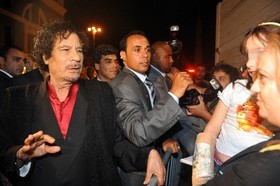
Doctor Mohamed Nour Dachan is the Italian delegate of the Syrian Coalition of Support to the Syrian Revolution. Born in Aleppo, Syria 65 years ago, he has been living in Italy for 45 years. Doctor of Medicine and Surgery, he has various specialisations and works as a family doctor. Currently he is the President Emeritus of the Union of Islamic Communities of Italy (UCOII) of which he is among the founders, and of which he was the acting President until two years ago. Recently he participated in the meeting of the Syrian National Council with the Italian Foreign Affairs Minister Giulio Maria Terzi di Sant’Agata. The Syrian National Council has promoted a national protest in Rome to be held on the date of 19 February, which has as its slogan “Let us stop the massacre of the innocents”. He has accepted to answer our questions regarding the Syrian situation, and for this, we are grateful. In his words, one can feel the suffering of who, still very young, was forced to leave his own country, bringing him to firmly oppose the Assad government. But, and this should be stressed, it is also an appeal to not leave anything untried for a peaceful solution, without arms or war, to the Syrian crisis. It is a hypothesis on which he works intensively. Following is the text of the interview.

Giovanni Sarubbi (GS): Doctor Dachan, you have been living for many years in Italy, and you have become a member of the Syrian National Council. Can you kindly explain to us the reasons for your choice and describe what forces comprise such Council?

Dr. Mohamed Nour Dachan (MND): To become a member of the SNC is not a novelty for me, seeing that for many years I have chosen freedom and democracy and that during these years I have fought against dictatorships and injustice and for this reason, I could not hesitate to give my contribution to my country of origin.

The SNC joins together very many components of the Syrian opposition, an opposition that has a wide variety of elements, given that there has been over 40 years of dictatorship which has slowly but surely allowed the birth of one opposition group after the other. The advantage of the SNC is that it has the largest opposition groups taking part in it: religious, secular and liberal ones.

GS: What do you propose to do, what is your programme and by the means of what initiatives and instruments do you plan on realising your goals?

MND: The programme is to support the peaceful revolution of the Syrian people, to work and raise awareness to all the world’s countries so that they help us to obtain the fall of the Syrian regime.

GS: What relationship do you have with the Free Syrian Army?

MND: There has to be some clarification regarding the name: it is called Free Syrian Army, which means that they are soldiers, officers and non-commissioned officers who have chosen to refuse shooting at unarmed civilians and it is not an offensive army that is at war, but it has exclusively the task of defending the protests.

It is constituted of a bilateral commission which has started its collaboration between the SNC and the Free Army.

GS: The Syrian National Council has been recognised at an international level by some countries such as France and the USA. What relationships have you got with these countries? Don’t you believe that this support could harm your cause and the liberation of your people from oppression?

MND: The SNC has not yet been recognised by any country, but there have been meetings with several countries, both Arab-Islamic and not. For the time being, the only country that has expelled the Syrian Ambassador has been Tunisia, and Libya is preparing to give the SNC official local offices, in addition to other countries such as Turkey where the SNC has its actual headquarters.

GS: You have recently had a meeting with the Foreign Affairs Minister of the Italian government. What have you asked of the Italian government and what response did you receive?

MND: We have already had a meeting with the previous government’s Foreign Affairs Minister Frattini, and successively with Minister Terzi: our first requests have been to obtain support for the Syrian revolution with all possible means and to remove the support and collaboration they have with the Syrian regime. The relationship has begun very well and we hope that the collaboration is continuous and fruitful.

GS: In your communiqué you have written that: “Today everyone is pointing their finger against Russia and China, but in reality, behind their positions are hidden other diplomatic entities who are complicit in this slaughter.” Who are you referring to? From your point of view, who are the forces in play in Syria and what are the objectives they have set for themselves?”

MND: We don’t have any particular nation in mind, but in the time that has passed, eleven months with massacres each and every day – (and this is only my personal point of view) much more could have been done and perhaps much more can be done, if the positions of China and Russia had been different.

The forces in play by the regime are the army and the forces of the security services. Certainly, the Assad family and those dependent upon it have a sole objective: to continue to rule.

GS: In point 28 of the Report of the International Observers in Syria it is written: “The Mission had made note that various parties reported that there had been explosions of violence in many areas. When the observers had gone to these areas, they found that this information was unfounded.” Just as in all wars, the first victim is the truth and correct information. What can you say, from your point of observation, on what is truly going on in Syria? Do you have direct sources of information on all the things that are taking place?

MND: The mission of the Observers in Syria was dead before it had a chance to be born. There were three objectives to that mission:

1. Withdrawal of all the military vehicles from the streets, an objective that was neither applied nor taken into consideration,

2. The liberation of all the prisoners of thought who have been arrested from the beginning of the revolution to this very date: of the 150,000 person arrested, the government has liberated only a few hundred, only to arrest others from other places,

3. The number of observers was supposed to be 5,000, and instead those who had actually arrived were only 150, some of whom could not even be able to observe a high school graduation test in any high school at all!

The Syrian government, with its excuse of protecting them, first sent in the police forces and then they themselves made these very observers be accompanied by the security forces, in this way, they ensured that the people were terrified and they did not speak with anyone.

Of course, we have direct sources, and we are able to communicate with them now in every way that is possible, including those that are widespread communication instruments: Facebook, emails, cell phones and so forth.

GS: What is your point of view on the various proposals of solution to the Syrian crisis that have been set forth by different international organisations?

MND: We are favourable to any proposal at all which is peaceful but protects civilians, and most importantly, immediately stops this barbarity.

GS: There are about ninety associations, unions and parties, among them FIOM-CGIL, which have taken the position against any hypothesis of a new war in Syria, similar to what has recently been fought in Libya. From your point of view, is a pacific solution possible for the Syrian crisis, without wars or the intervention of foreign powers in your country?

MND: I thank you for this question and allow me to express an appeal, because some forces and some friends with which we have already shared in some activities and sit ins, when faced with the massacres of the Syrian people, are not evaluating the human question, but the political question, as if we were in the Cold War. The revolution started with the actions of children, and still today, each day its characteristic feature is the peaceful protesting in the street and squares. To allow a dictator to keep on assassinating his own people or to join in a war as the one in Libya? Between the two things there are actually many solutions, and for this I invite all the free and democratic men and women to take the side of the people: one simply cannot say, “we are against the war” in words, and then support the government that is using its own army against defenceless people. We ask our brothers and sisters who are against the war to join us with other solutions, but with a sole objective: to immediately put an end to the massacres.

Thus ends the interview. Obviously, whoever is against the war in Syria does not support any regime or any assassin, whoever it is committing these acts, but believes that one must to all that is necessary to find peaceful solutions to the crisis.

By Giovanni Sarubbi – Director of the site www.ildialogo.org (Italian)

Original in Italian: http://www.ildialogo.org/cEv.php?f=http://www.ildialogo.org/noguerra/NotizieCommenti_1328690852.htm

100 Syrian civilian vicitims in 2 days of attacks against them

WRITTEN BY MARY RIZZO

“You may as well be born an animal rather than a Syrian. You would have been given more protection.”

I have been wondering to myself and at times aloud, “What the hell has happened to the empathy and humanity of the activism movement? When did they start deciding whose blood was expendable? Where did their compassion, empathy and sense of justice go?”

There are a few qualities that an activist should have as a mandatory part of their baggage.  Not all of them are required to have a solution to the problems that are afflicting the victims or the weak in the causes that they are advocating. Nor are they even required to dedicate a lot of time or money to the cause. One can be an activist nowadays locally or even if they are disabled and unable to leave their homes, as they can express their views, share information and engage in solidarity by means of internet. The qualities however that should be part of every activists’ tool kit include empathy, a bit of courage and a strong desire for “good” to overpower and defeat “bad”.  And, that this vital and obligatory baggage has become so selective, has got to be the most fatal blow to the activism universe. It makes it reek of hypocrisy and plays directly into the hands of the oppressors.

Empathy is a social and emotional response to the conditions that other sentient beings are in. Since we all can agree that pain and suffering (including being a victim of abuse, starvation, deprivation) are negative things, it is not difficult to feel bad, “as if” what is happening could be happening to us or to the people or animals we love. If we are able to unplug the empathy because we have an ideology that we buy into, accompanied by a kind of strange peer pressure, something has gone wrong very seriously. If we are selective in such a subject as human pain and our acceptance of it, we need a major time out to rethink what we are doing in activism. We should remember that empathy can be a tool towards change, we should put it to use and understand that suffering people (and to some extent animals) are aware of our involvement or our detachment, and they tap into the capacity of (especially) activists, to make the feelings of empathy manifest and bring about an end to the suffering, which is the primary and immediate goal.

By understanding, witnessing and realising the extreme suffering that some are subject to, an activist has the ability to concretely help to change the condition of pain and suffering through the recognition of the condition followed by acts that aim at intervening in favour of the victims. On the other hand, their indifference can empower the abuser and oppressor, who believes that there is justification for his violence.

There has been no lack of evidence for many many months coming from Syria that the situation in Syria is a humanitarian crisis of an extremely severe nature. To cite some statistics, much of them from international organs that are considered to be highly authoritative such as the UN, Human Rights Watch, Amnesty International and others, in eleven months since the first protests against the regime in power took to the streets, there have been a confirmed 6000 civilians killed, by snipers, shelling, bombs and beatings, though other sources claim that the actual number is much higher, since discovery of mass graves and bodies of “disappeared” protesters is a constant occurrence. 70,000 persons have been arrested, most of them charged with nothing or charged with crimes that would not stand up in any normal court of law, including thought crimes and crimes of intention. There have been constant and documented abuses and torture, with corpses bearing the signs of brutality one can hardly imagine. The scenes are so horrible and devastating, in years and years of activism for human rights and especially Palestinian rights, I have never witnessed this level of depravity, this level of gore.

Last week, the town of Idlib had a most gruesome event: a group of people were victims of the explosion of a nail bomb, sending tiny projectiles into the flesh, damaging internal organs and causing internal bleeding until painful death comes. They were brought to the civil hospital for holding before their funerals, but 60 other bodies were discovered in the refrigerator cells, all of them bearing signs of gruesome torture. The hospital was occupied by the regime’s militia who also prohibited any wounded from receiving treatment. Hospitals were now simply for serving the regime’s fight to stay in power at all costs. What came to mind to an activist I know who had seen the still shots of the bodies face down in pools of their own blood was scenes of Sabra and Shatilla. But these are Syrians, and for some strange reason, most activists for Palestine are ignoring this. Are they wearing blinders or are they unable to empathise with the Syrians?

That there are over 20,000 refugees who have sought refuge in Turkey in a tent facility is another number that should cause any activists to tremble. We know the fate of refugees, the way they often never come back and mostly, the dire living conditions they are faced with. An activist should be concerned about this problem. How many Syrians have fled to Lebanon or even farther? No one knows the numbers because often these people continue to be threatened and hunted even in exile.

Why do the activists fail to understand the severity of the situation? Why do they denounce the protesters in the same exact terms used by the regime with mountains of evidence against it being a humane government? Why have they tweeted, blogged, shouted for weeks about pepper spray in the eyes of American demonstrators, yet the mortal assaults on civilians (including 300 children who have had a violent death at the hands of the regime, many of them subjected to arrest and death at the hands of their torturers) are all but ignored? Are Syrians children of a lesser God? Are they less worthy of protection and concern? Is it possible that American university students who later in the day can go to their dorms and realise their lives are not in danger get more sympathy and empathy from activists than innocent Arab children who have lost their lives under the cruelty of a repressive militia?

Some will say, “Why do you say that it’s worse if someone is killing their own people?” as a kind of excuse to then talk about a different geographical place, a different situation. Others will say that the Assad regime is the last bastion against imperialism, which is the sole argument they seem to be able to muster. They are certain there is an imperialist plot behind all of this, something they were reluctant to say with the same protests in Tunisia, Egypt and to some extent, to the Palestinian Intifadas. Many of these people who are proclaiming it can’t be a sincere popular revolt or revolution live in affluent societies in Europe and North America, where they have the right to say what they want to without being arrested and yet, have never taken part in a revolution or revolt. Others will say that there should be no outside intervention, but they root for Russia, Lebanon and Iran continuing to arm the regime and give it economic solvency for as long as possible. Others will say that the Free Syria Army is an imperialist militia (???!!!) and that it is fomenting war and is not a true resistance militia. Yet others are claiming that both sides are to blame, putting them on equal footing, something they would never dare do if this were Palestine. How can an armed power that controls government, the economy, can turn off water, electricity and gas at a whim, arbitrarily arrest people in the thousands, close down hospitals and invade cities with tanks, bombarding people as they are within their own homes and placing snipers on the roof should they dare seek to escape be equated with the civilians?

A Syrian friend of mine said to me a few months ago, “If only we were animals, then I think that more people would feel for us and care.” After a few weeks, he noticed even the total abandonment of the Activists for Palestine, who are touting the Assad line without a practical reason to do so unless they are inhumane or blind. He said, “We should just tell everyone we are Palestinian, perhaps they will then be upset about how we are dying”. I would take it further: several years ago Vittorio Arrigoni wrote a piece that was very poignant. I ask especially the activists for Palestine to read it and reflect upon it.

“Take some kittens, tiny little cats and put them in a box” said the surgeon at Gaza’s main hospital called Al Shifa, while the nurse placed a couple of big boxes on the floor right in front of us, covered in splashes of blood. “Seal up the box, then with all your might jump on top of it until you hear the little bones crunching, and the last suffocated “meow”. I’m astounded and I stare at the boxes. The doctor goes on “Now try to imagine what would happen straight after the broadcast of a scene like that, the justifiably indignant reaction of the world-wide public, the denunciations of the organisations protecting animals…” The doctor goes on with his account and I can’t take my eyes off those boxes placed by my feet. “Israel has enclosed hundreds of civilians in a school as though in a box, dozens of children, and then it squeezed it with all its might using its bombs. And what were the reactions of the world? Almost nothing. You may as well be born an animal rather than Palestinian. We would have been given more protection.” At this point the doctor leans towards the box and takes the lid off in front of my eyes. Inside there are mutilated limbs, arms, legs, from the knee down or whole femurs, amputated from the people injured inside the Al Fakhura United Nations school in Jabalia. Up until now there are more than 50 victims. I pretended I had an urgent telephone call, I told Jamal I had to go, but actually I ran for the toilet, I bent over and threw up.

http://groups.yahoo.com/group/NewWorldOrderWhistleBlowers3/message/32547

Right now those victims are Syrians. At this moment, the average of 40 victims each day, at times close to 100, belongs to Syria.  “You may as well be born an animal rather than a Syrian. You would have been given more protection.”

Written by Lorenzo Trombetta for Sirialibano, translated by Mary Rizzo

Gilles Jacquier

A French journalist, Gilles Jacquier, reporter for France 2 (photo), was killed in Homs by an explosion in the Alawite neighbourhood of Akrama. He is the first Western journalist to lose his life in Syria since the beginning of the repression of the anti-government protests.

His life was not lost in Gaza, in Afghanistan, in Iraq, in Libya. He lost his life in Syria. One of his Dutch colleagues – Steven Wassenaar, a freelance journalist – was slightly injured in an eye (initially he was reported as being Belgian). Another seven Syrians – states the TV channel Duniya, close to the regime – were killed.

As a photographer for AFP, witness to the event, states, the journalists were part of a tour organised by the authorities in the third city of the nation and epicentre of the repression and the consequent revolt. They were going to follow a march of loyalists when the group was struck by shells. This fact stimulates some spontaneous questions.

1) Who has the possibility to use shells and mortar in Syria?

a) if they are deserters, to say it the way the conspiracy people do, the salafites-infiltrators-terrorists-zionists, then this is REALLY a piece of news. It means that a military escalation is underway. Up to this point, the deserters, and the civilians who have joined them, have shown that they are able to use automatic rifles and RPGs. At Jabal Zawiya (Idlib) they said that they were able to bring an anti-missile rocket launcher. But mortars up to this point, no one has any knowledge of that.

b) if it is not the deserters, then it must be the regime. Because the protesters at this point are still not equipped with anything of the sort.

2) If it was the deserters with brand new mortars – which came to them from the French-Turks-NATO-Israel, still bearing the plastic wrapping and tags – why aim them into a loyalist neighbourhood?

a) because, some will say, since they are really bad people, they can’t wait to exterminate their enemies, the Alawites who are victims of the conspiracy. By chance, in that moment, there were also Western journalists. But in the regime’s rhetoric, aren’t Western journalists in the service of the conspiracy? On the one hand, the agents of the conspiracy are described as being very shrewd, on the other – if it is true that they killed one of their accomplices by accident – the reporter – they show themselves to be simply bunglers.

3) If it was the regime, why shell a loyalist neighbourhood and risk killing – as had in fact happened – your own supporters and some foreign journalists?

a) to demonstrate, others will say, that Homs is dangerous and it is important to stay away from the city. Observers and accredited journalists have now been warned. To then attribute the attack to terrorists who impede free access to information operators, freely welcomed by the authorities of Damascus.

4) Why are the agents of the conspiracy attacking Syrian civilians (Damascus, 6 January) when they should have been trying to collect internal consensus? And why do they attack Arab observers (11 of them have been injured in Lattakia and Homs on 9 January), when they should have tried to convince them of the worthiness of their cause? And why attack Western journalists, when they should instead have them as allies to serve for receiving international support?

6) Why, for the first time, have the terrorists-bad guys attacked a loyalist march, and why precisely when there is a Western journalist?

7) Why does the regime organise tours only in the loyalist neighbourhoods with an Alawite majority (a circumstance confirmed by at least four authoritative colleagues who have participated in these trips)?

a) because, some will say, the other neighbourhoods are too dangerous for the Syrian authorities, who are responsible and care about the safety of their guests. For reasons of safety, in essence.

b) because, others will say, the regime does not want to show the other face of Homs. The one in revolt against the government and the one that is under siege and bombarded by loyalist artillery.

We furthermore report that it took around an hour and a half after the killing of a journalist in Homs for dissemination of the first news for the activists to be able to release any amateur videos on Internet. “Because Akrama is a zone that is forbidden to us, no one can enter at all except for the loyalists,” was what I was told by telephone from two inhabitants of Homs that were reached by phone and who live in the neighbourhoods with a Sunni majority.

The TV channel al Duniya was speedy, instead, in releasing news, something which in these ten months it has never been – which is the same case as the State-run channel Sana – which has been this fast only in case of attacks attributed to Al Qaeda, to salafites and to terrorists.

We await your questions and possible replies. In the meantime, an homage to Gilles Jacquier, winner of the Ilaria Alpi prize in 2011 for the best international reportage for his Tunisie, la révolution en marche.

ORIGINAL: http://www.sirialibano.com/short-news/ucciso-giornalista-francese-a-homs-qualche-domanda.html

Written by Valentina Baruda, translated by Mary Rizzo
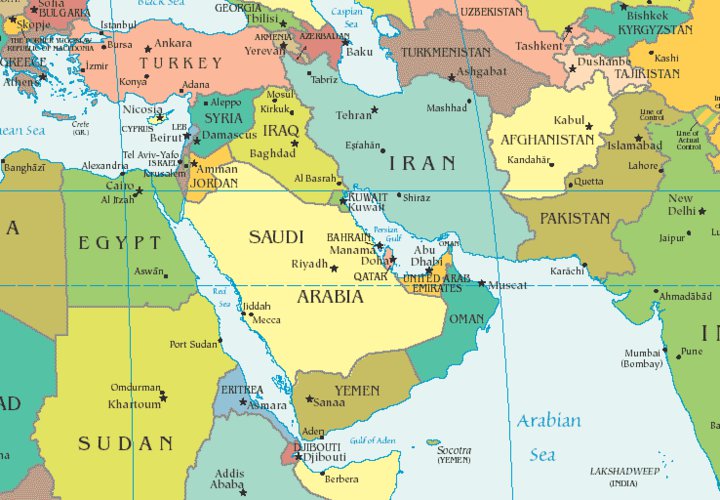
You who talk about Syria without knowing anything about it.

You who talk in defence of the regime, saying that those who are revolting are Islamic Fundamentalists, manoeuvred by who knows which Western puppeteer.

You talk and talk, but never take into consideration – I don’t mean the farmers that have been slaughtered, or even the shepherds or the nomads who live in that land, but you ignore all the illuminated minds, all the revolutionaries, all the university professors (of a certain side), all the cartoonists, all the singers, all the actors and actresses, all the writers that are abducted, plummeted with beatings, tortured, assassinated. You don’t take any of that into consideration: it’s all fictitious.

Even the tortured flesh and blood of those who one recognises is “Zionist fakery”, for those of you who are creating a role for yourselves as experts of the Middle East.

If you are such experts on that country then you certainly know Paolo Dall’Oglio well. You will know his story, his strength, the place that he had renewed, certainly you know him!

You will have milked some goats in the highlands, you would have made incense with your own hands, or listened to your first mass in Arabic inside a tent. Before your eyes would be the brimming youthfulness and rebellion of that priest, like no other in the world.

A priest so unique and rare so well-loved in that land full of different religions, so in love with Islam and with his Christ… who now has become the enemy that the regime so dearly needs to defend itself from!

He will be expelled, after thirty years of building an extraordinary community: Paolo Dall’Oglio is a priest, yet, so very far from any conception of religious division. In that monastery one will be able to witness Mohammed arm in arm with Christ: in that monastery, thanks to this extraordinary man, you could see with your own eyes the TRUE Middle East, what real Islam is, what is the true way to live on a land, to love it to respect it and to rebuild it with other concepts of freedom.

Now dear Father Paolo has been issued a mandate for expulsion and in his defence we see all the revolutionary components who have been moving within the Syrian territory in these months, almost all of them Islamic.

This has to make us understand something, even to those bigots who fill their mouths with utterances only about anti-imperialism that has a sound to it that is sterile and reactionary in the face of reality, that those who are dying in the dusty streets of my Syria do not have to be classified so recklessly as being Salafis or Muslim Fundamentalists, and those who are being banished are certainly not those who want to bring about religious strife and division and a civil war: but those arguments are merely the regime’s instruments to keep mouths flapping…

Everyone with a conscience is writing, shouting and demonstrating in the defence of Paolo Dall’Oglio, a Jesuit by pure chance, a revolutionary by birth.

ALL OF MY SOLIDARITY TO THE ONLY PRIEST IN THE WORLD WHO MADE ME LISTEN TO A MASS FROM ITS BEGINNING TO ITS END, WHO HAD OPENED HIS HOME TO ME, WHO HAD TAUGHT ME THINGS THAT SHALL NEVER BE FORGOTTEN.

A MAN THAT I DID NOT BELIEVE EXISTED, AND WHO NOW NEEDS ALL OF OUR SOLIDARITY!

DAMN TO HELL BASHAR AL-ASSAD, ASSASSIN, BUTCHER

http://baruda.net/2011/12/04/siria-solidarieta-a-paolo-dalloglio/

Mubarak in a cage

← ويلٌ للعرب  Aug 3 Posted by Politirature .

★ Limited but violent clashes took place between activists and a pro-Mubarak group of about fifty persons outside the exceptional courtroom in the Police Academy.
★ They took Mubarak on a medically equipped helicopter from Sharm El Sheikh hospital in Sinai to the courtroom in Cairo.
★ Only a limited number of the lawyers of the prosecution (our guys) were allowed into the courtroom, on other hand, almost all defense attorneys (Mubarak guys) were allowed in.
★ The judge Ahmed Refaat is well known and said to be clean but a close friend of mine lives in his building told me that he was a close friend of Mubarak and they used to play Squash (Mubarak’s favorite game) together.
★ Someone announced that the defendants are coming in, the courtroom murmured and like movies, the judge silenced everyone.
★ Habib Al-Adly made his way to the cage first, followed by other defendants and the two sons of the former president Alaa & Jamal, and Mubarak.
★ Mubarak entered the cage on a hospital bed.
★ All the defendants were wearing white prison suits but Al-Adly came in blue because he was convicted in another case.
★ The judge reminded everyone with the courtroom rules and he made sure that all defense attorneys are present.
★ All the lawyers began to tell the judge their notes and demands, those of Mubarak took the whole time and the judge was very nervous and unable to control the courtroom, the atmosphere became very tense.
★ Farid El-Deeb, the famous lawyer and his dream team were defending Mubarak and Al-Adly while most of the lawyers of the prosecution were unkown, camera slaves and the event was bigger than them.
★ Farid El-Deeb said he wants to bring 1600 witnesses to court.
★ A weird lawyer told the judge that Mubarak died in 2004 and the one in the cage is a fake one planted by Israel and USA to keep the conspiracy going, and he asked for a DNA test.
★ After the fight on the microphone between lawyers was over, Public prosecutor read out the accusations against Mubarak, his two sons & his minister of interior including ordering and managing the attacks by Egyptian Police on peaceful protesters and supplying weapons, live amunition & armoured vehicles for the attacks. He also listed the billions of Egyptian pounds that were stolen by Mubarak, his two sons and the billionaire Hussein Salem.
★ Mubarak and his two sons denied all charges.
★ The Judge decided that Mubarak stays in The International Medical Center on Cairo-Ismaillia road and said that the second session to be held on August the 15th with his two sons.
★ Habib Al-Adly Session #2 to be held tomorrow at 9:00 am CLT.

★ Dismissed !

Short analysis
Why did they postpone Mubarak’s trial to the 15th and not tomorrow or after tomorrow ? Why did Mubarak’s lawyer Farid El-Deeb wants to listen to 1600 witnesses ? Farid and maybe SCAF are playing on TIME, Egyptian people are kind and sometimes naive, we always forget and forgive with time, we always repeat the same mistakes, that was first. Second, they play on the boredom and rage of the “silent majority” in addition to its dissatisfaction from the revolutionary atmosphere and the “active minority”. I do believe that the only solution is to be more patient than them & direct all our efforts towards raising awareness to have the “silent majority” on our side. To be continued… Mubarak and his sons entering the cage Mubarak and his sons denying all charges

Mubarak and his sons entering the cage

Mubarak and his sons denying all charges

Protesters for Libyan freedom in London

It seems like years ago, but only a few months have gone by. The anti-imperialist world raised their virtual glasses in a united toast to the people’s revolutions. When I say this phrase, it seems I need to define every term, so bear with me. I will try to not take any concepts for granted.

The anti-imperialist world as I have come to know it is generally comprised of generally well-to-do intellectual-type folks who engage more time in discourse and social networking than they actually do in developing strategies or training individuals for a radical change in society where local (indigenous) people are their own leaders and determine for their exclusive benefit the policies and economic organisation of their own territory. They however are generally very passionate about the need to seek justice against tyrants and they believe that the people themselves want the same thing, so they do what they can (far from the places themselves) ninety-nine times out of one hundred by raising awareness through their articles, videos, comments, social network activities and fundraisers for more public events to raise awareness (and this cycle continues until it exhausts itself into the next fashionable group of unfortunate others).

With all that awareness-raising, you would be sure that by now, this formidable band of selfless virtual warriors would have convinced all of the world that there is no way on earth that the will of the people should be trampled on and that sooner rather than later, each people will achieve its own autonomy and self-reliance. These people who have concretely moved towards self-liberation might even be so inclined as to bite the hands that looks like it feeds them, if this has to happen for them to truly be free, but an anti-imperialist should never look at his or her own interests as a member of the empire who enjoys the privileges of that status, and should even tolerate great levels of aggression against the empire he calls home.

That said, when first Tunisia, then Egypt, began staging independent demos to demand change in their government systems, inspired by their sheer numbers, they seemed to be fully successful. There was bloodshed among civilians, but it ended, and this was a revolution that was almost like a dream, almost too easy and certainly so full of promise and hope. It even adopted the name that will remain with it for all time, “Arab Spring”, the long-awaited renewal of Arabhood connected to the idea of development of a new society that was going to put people before anything else. That it gained support at a global level probably was intrinsic to its success.

Protesters in Gaza

How did that happen? Well, we all know it was through mass communications, some of it entirely spontaneous between those directly involved, and some of it presented to a wider community to enlist their sympathies and support. It was the fact that the world was watching that perhaps hastened the demise of Ben Ali and Mubarak, and it could also be the fact that a barrier of fear had been broken. Make no mistake, I have been  documenting Egyptian uprisings for at least 3 years, and there are others who like me were not under the impression that Egyptians were passively accepting a lack of political expression and a worsening social crisis. Several of us had commented that it was necessary to break through the impression that Egyptians were incapable of rebellion and to show that there was the emergence of a protest movement that was non-confessional, and was tying together the idea of the rebirth of Arabhood as well as an Egyptian national identity that was as vibrant as the Egyptian people. We could have been some of the few who were not surprised by the revolution, but what did surprise us was the enablement that  this gave to nearby peoples.

Living in the European country closest to Libya and with a colonial past which as recently as 1972 has seen mass expulsions of Libyans of Italian descent, whatever happens in Libya is going to be felt directly. In the past years, hundreds of boats full of refugees have headed toward our shores,  and as has been documented thoroughly, the Libyan regime had utilised the African migrants as a playing card to obtain many things from Italy. The Africans who were brought to Libyan Migrant Detention Centres were actually imprisoned there, and the thought of dying at sea on unsafe and overcrowded ships was a risk almost all of them were desirous to take after months of torment from the military and police branches of the Libyan government. There were truckloads of them driven to the confines of the desert and left there to die, documented by Italian film crews, who were concerned about lives in the face of the “Bilateral Agreements” so that Gaddafi could keep a foothold in Italy’s economy and obtain “aid” worth billions of Euros for infrastructure (some of it I can personally testify was for bunkers), weaponry and telecommunications in exchange for a policy of limiting African immigration from Libyan shores.

Gaddafi’s racism thought it found another foothold in the sensitivities of the Italian government, and his words were carefully used to obtain what he  wanted, a combination of greed and rank racism that I witnessed few anti-imperialists getting upset about.  It deserves being read word by word:

“Europe runs the risk of turning black from illegal immigration, it could turn into Africa. We need support from the European Union to stop this army trying to get across from Libya, which is their entry point. At the moment there is a dangerous level of immigration from Africa into Europe and we don’t know what will happen. What will be the reaction of the white Christian Europeans to this mass of hungry, uneducated Africans? We don’t know if Europe will remain an advanced and cohesive continent or if it will be destroyed by this barbarian invasion. We have to imagine that this could happen but before it does we need to work together.”

Gaddafi's recent "Rome By Night" outing

Gaddafi would come to Italy, honoured by Silvio Berlusconi and the best that the Italian government had to offer by way of hospitality, in order to seal more deals and to re-establish that these two neighbours had the same interests at heart: especially a thirst for petroleum and a provider who would make sure there would be preferential treatment under certain conditions, including keeping Europe white. Berlusconi was also an honoured guest in Libya, promising billions of Euros for schools, retirement homes, infrastructure and other things. It is curious that those continually claiming Libya was fulfilling all of its people’s needs on its own seem to not question why they would need so very much Italian money to do what they claim has already been done. During these visits, our news shows were almost suffering an embarrassment at how to represent it. The feelings run deep, and we had known of the abuses that were going on in Libya. Many of us know Libyans, some of them in exile, “You mean  you can’t go back? What do you mean you can’t go back?” Others who come on scholarships and seem to never want to talk about politics either. I would joke with two friends (one in each category) and call it the Libyan black hole. However, both would easily admit that Libya could be much more than it is, if only it could have the chance for that.

So, I watched the revolutions with other anti-imperialists, and the Libyan revolution had quite a few of us excited at the first moments because  Libya is not a Middle Eastern country and it also has ambiguous and collaborative relations with the empire, and with my nation in particular. I  was naively convinced that true anti-imperialists would welcome the will of the people as sovereign and that the information constantly withheld from us regarding many human rights violations would cause one of those powerful moments of decision: supporting an action that really was going to mean conflict and risk for my own nation. As February 17th approached, (with its planned march in Benghazi of the family members of the 1,200 political prisoners of Abu Salim who had been executed by Gaddafi ) I noticed that a few would start to say it was not a real revolution because a) it was against a leader who claimed to be anti-imperialist, b) it was a tribal conflict that we should not take part in, as it would lead to division of Libya (as if they actually knew or cared!), c)the protesters had some problems that did not make them revolutionary, with the sub-groups of 1) they are seeking the restoration of the monarchy, 2) they are religious fanatics that will turn back the clock on progressive revolutions and make Libya a theocratic state. I asked them if they had the right to determine when a revolution was valid and when it was not, and I was surprised to hear that they were putting conditions on the support of a people, and didn’t they notice the people were demanding their freedom?

I started to check into all my favourite anti-imperialist sites, most of the relevant articles indicated to me by friends on Facebook, and lo and behold, most of these were articles by Westerners. If I had kept count, and I should have, I would have the evidence in front of me that out of 100 articles perhaps 3 were actually penned by Libyans. I got to wondering what was happening when I had been reading and hearing the reports from Benghazi by Mohamed Nabbous, killed by Gaddafi’s squadrons and in the many comments surrounding these interventions, and noticed the enormous gulf in what the Pundits were saying, and what Libyans were saying. It was as if there were two worlds colliding. All of these people claimed to love freedom and to want to do anything necessary to obtain it, but there was that nasty issue of Gaddafi actually threatening to exterminate those who tried. At this point, one would think that this would be enough for one to firmly side with the Libyan people and wonder what the pundits were going on about.

And, at this time, many things entered the scene, such as NATO, which all of us detest, and transitional governments and Libyan officials abandoning their leader and an upsurge in refugees flooding into Tunisia and war and death in the land that only a few weeks before was the next domino with a tyrant’s face that had to be knocked down.

We read of infiltrations of Al Qaeda, (this was what Gaddafi claimed the Thuwar (“rebels” to those who hate them and “freedom fighters” to those who love them), of deals with Empire, of CIA infiltrates and anything else that you can imagine by way of establishing that those who were commemorating the massacre of their loved ones and who were massacred while doing so were SO BAD and if we supported them, we were dupes. I guess it would take a very self-assured person to still want to see the Thuwar and indeed the people opposing Gaddafi in a decent light.

Already involved in a few discussion groups regarding the events in the region, I was invited by friends to join a few private mostly-Libyan discussion groups. I wanted to observe the discourse, and since my sympathies and antipathies were known to me, but not backed up by enough concrete information, I took it as my “personal fact finding mission” to learn as much as I could about the situation from Libyans. Indeed, the discussions in these groups are lively, and shockingly, almost everyone in the groups (which are by no means small either) has a martyr for the cause and has family living in conditions of siege. It is quite a shocker to log in and see someone receiving condolences for his father, his uncle, her brother, a daily litany of suffering and loss… And even more shocking was the coming into contact with a world I should have been more aware of, that of the acceptance of the will and wisdom of God.

Yes, religion plays a big part in many of these struggles, and while this is not a religious war, (and all Libyans practice the same religion for the most part), the element of faith and perseverance that these people surely learned from over four decades of negation of their political freedom is omnipresent. I would also peek into Pro-Gaddafi boards and oddly, there was a sort of violence and lack of humanity that were not even hidden very well. It became almost apparent to me that there was a lot more to this situation than meets the eye.

I got into discussions with American Communists (self-proclaimed, naturally) and leftists in general and when they started to stress that they didn’t like the religious symbolism that they were seeing (as if their taste was going to matter) I had to ask them why they thought they knew better than the Libyans what was best for Libyans. I was told that the Libyans would put the monarchy in. I stated that the TNC issued a statement and it was supported by those I was discussing things with, that there were to be elections and there was going to be an establishment of democracy. These AC + Leftists told me that the Libyans were dupes for the empire and religious fanatics and that if they were not working for a world revolution but for a repressive and authoritative patriarchal set-up, and thus, as AC + Leftists, the Libyans would not be worthy of obtaining their support. I thought that was some cheek. So what I decided to do was to serve as a filter, I invited Libyans to use my board to engage with these anti-imperialists, and many willingly did so. They presented the Libyan point of view, they were kind, patient and tried to explain what the situation was so that it could be understood.

I admit I was shocked at the violent verbal reactions they got. I admit it was the classic Western Pundit thing of orientalism and ignoring the voice of the common man if that common man was not “politically advanced”. It was the thing I see time and again in Palestine activism: the great Western hero (usually white, male, often Christian or Jewish) determines that he or she knows what is best and becomes the spokesman and mouthpiece for Palestinians. It is denial of Palestinian agency, but it is so common and so normal that we tend to not notice it as the alarming trend it is.

McKinney not looking too objective there.

Working for the Man

So, when Cynthia McKinney stepped onto the scene, it is as if the secret prayers of the Gaddafi supporters who also are against the Libyan people’s revolution (they want to deny it’s what it is, but they are unable to turn off our memory cells that far back) had been answered. Black, female, present in the past in brave gestures for Palestine, outspoken against the robbery of the Democratic vote in the Bush elections, pacifist and they can plug their noses on the fact that she actually might represent empire by being involved in the presidential elections as a candidate and as a Roman Catholic. She does fine to complain against NATO abuses and even their involvement, but to become the mouthpiece of Gaddafi went above and beyond the call of duty, even going so far as to follow the game plan he provided while establishing the proper narrative to put forth. She did this as well on Libyan State TV, yes, the same state TV that has been accused by Libyans as sending out calls for ethnic cleansing of the Amazigh people (a linguistic minority in Libya) and those living in cities where protesting became resistance and then revolution.

And it seems, once again, we have thousands of eyewitnesses who the anti- imperialists, Leftists, American Communists refuse to listen to or when they are given the opportunity censor them or hurl insults their way, but when an American “eyewitness” (who has been shown where the Gaddafi cronies have taken her and nowhere else) speaks, she is the one who must be listened to, because she will not change anything, because she has no loved ones there, so whatever happens is politics, because she will have her hardcore followers and for all the ones she loses, she will pick up more, sensing where the anti-imperialist (banter) winds blow, feeding the fundraising machine for awareness-raising in an endless cycle. Those who actually are Libyans are treated to the usual “shut up” that is reserved for “counter-revolutionaries”. All from the comfort of these Western Anti-Imperialist homes far away from where the blood is being shed.

So what is my final remark to anti-imperialists, that group which I had felt I had proudly belonged to for decades? Quit lecturing with such an attitude of cultural colonialism and start listening to those who are actually the directly interested party. Answer them at least once when they ask  what alternative you would have offered when it was clear that their people were being violently crushed. Realise they are not interested in anything but their own freedom, and that includes freedom from you and your ideology and platitudes that contain nothing concrete for them to use towards obtainment of their freedom. If the anti-imperialists can’t understand that, then Khalas, because shutting up is golden.

EGYPT is 1 million square Kilometers of land located in the northeastern corner of Africa and through the centuries Egypt has been the link between Europe, Asia and Africa. It’s the cornerstone and the connecting nexus of this continental triad and that’s why it’s considered poly-dimensional. Through this post I’ll try to clarify how Egypt was ‘separated’ from its natural and cultural dimensions and how it was ‘isolated’ to prevent any further cultural contact, integration or fusion.

Since 1981, when Sadat was assassinated, and during the thirty years of Mubarak’s regime, Egypt has gone through two main stages in the relationship with neighbors. The first and shorter stage I like to call the ‘Openness & Reconciliation’ stage; when Mubarak was preaching his new reign and leadership, when Mubarak was trying to be the ‘wise’ leader who brought Egypt and glory back to the Arabs and the ‘wise’ leader who liberated Sinai and regained Taba without a drop of blood. The second stage is called ‘Chair First!’ , the Honeymoon was over, Mubarak began to wake up and realize that his personal interests lied with America and Israel only, not with the Arabs, Africans, Russians and others whose problems are more than their benefits, he thought. That’s when ‘Separation & Isolation’ in the reign of Mubarak began to take place on different axes and dimensions.

Asiatic dimension : 

Represented in Gaza (Palestine) and the Fertile Crescent region (historically parts of Iraq, Syria, Jordan and Lebanon), the Asiatic dimension remains the most vital and important because the Arab culture arrived to Egypt from there, because people in this region are closer to Egyptians in traditions, accent, food, culture and many other aspects than any other neighbor.Also because the parts of this ‘Fertile Crescent’ shown on the map complete each other and become very powerful when united. Remember that Baghdad, Cairo and Damascus dominated the cities of the world with knowledge, science and prosperity when they were united. You can guess now why the strange Zionist entity of Israel is existing and blocking the natural tide between Cairo and its Asiatic dimension. The regime of Mubarak strongly supported the Israeli-American policies in this region by unsubstantial rounds of negotiations and tightening the siege on Gaza. 

Sub-Saharan African dimension :

“Egypt is the gift of the Nile”, Herodotus said thousands of years ago. Life flows to Egypt from the headwaters of the Nile, from Sub-Saharan Africa. Egypt had a considerable influence in this region during the reign of Nasser, our relationship with Ethiopia, Kenya, Uganda and even with western African countries like Nigeria and Cameroon was very good; we sent them teachers, we invested in their industries and agriculture. This excellent heritage of connections with our Sub-Saharan African dimension was not respected by Mubarak and his regime and they let the soft power of Israel take over Africa and directly threaten our National Security.

North African dimension :

Accumulated problems and misunderstandings existed between us and this dimension from the 1960’s but Mubarak totally ignored this dimension, didn’t adopt any conciliatory approach and even created more problems and complications. 

European dimension : 

Politically, the relation between Mubarak and our European dimension was based on Mutualism, but compare between Egypt-Europe balance of trade and that of Egypt-USA to know what happened economics-wise. It is a crime against the Egyptians and the peoples of southern Europe adjacent to us. Imagine all the available jobs and investments if stronger economical relationships existed commensurating with the geography, history and needs. 

Who’s the enemy and who’s the friend ?

Mubarak, who followed the way of Sadat concerning this issue, created enmities, abandoned friends and friended enemies for others’ benefits and for his personal benefits not for Egypt. Why is Iran an enemy ? I don’t know. Why is Israel a friend ? I don’t know. Why don’t we have strong relations with Russia, Turkey, Indonesia, Brazil and India ? I also don’t know.

After what we have done and achieved in Jan25 revolution, I hope that reconsidering the policies and relationships of Egypt with its dimensions will be one of the top priorities for the next president.

Faisal Bin Abdul Aziz Bin Libdeh AlKahtani

Faisal Bin Abdul Aziz Bin Libdeh AlKahtani

This individual is the present Saudi Force’s leader in Bahrain.

He is responsible for the killing of  the peaceful demonstraters and the violation of Geneva convention by insulting doctors and nurses along with hospitals’s patients and Occupation of hospitals.

We are looking for International Human Rights Lawyers wherever they are available. Contact the site if you are able to help and we will put you in connection with the individual who has asked us to spread this photo.